Draft Problems Usually Have More Than One Cause
Venting failures rarely announce themselves politely. More often, you notice “symptoms” (smoke smell, a lazy start, a puff when you reload) and you’re left guessing whether it’s the wood, the weather, or the appliance. The good news: most draft issues follow patterns.
A key warning sign is smoke where it doesn’t belong, and Health Canada’s wood-smoke guidance notes that smoke can enter homes from faulty or poorly maintained stoves, through leaks and cracks, and even when the stove or fireplace is opened to add or stoke wood—which is exactly why seals, gaskets, and sound connections matter as much as the chimney itself.
Here’s a practical way to think about draft: your chimney is trying to act like a tall straw. When it’s warm and unobstructed, it pulls smoke up. When it’s cold, blocked, or fighting your home’s air pressure, smoke can stall—or reverse.
Quick draft triage (safe, simple, and homeowner-friendly):
- Before lighting: open the damper (fireplace) or air controls (stove) fully and confirm nothing obvious is blocking the flue path.
- Warm the chimney: on very cold days, start with a small kindling fire to “prime” the draft rather than trying to light a big load immediately.
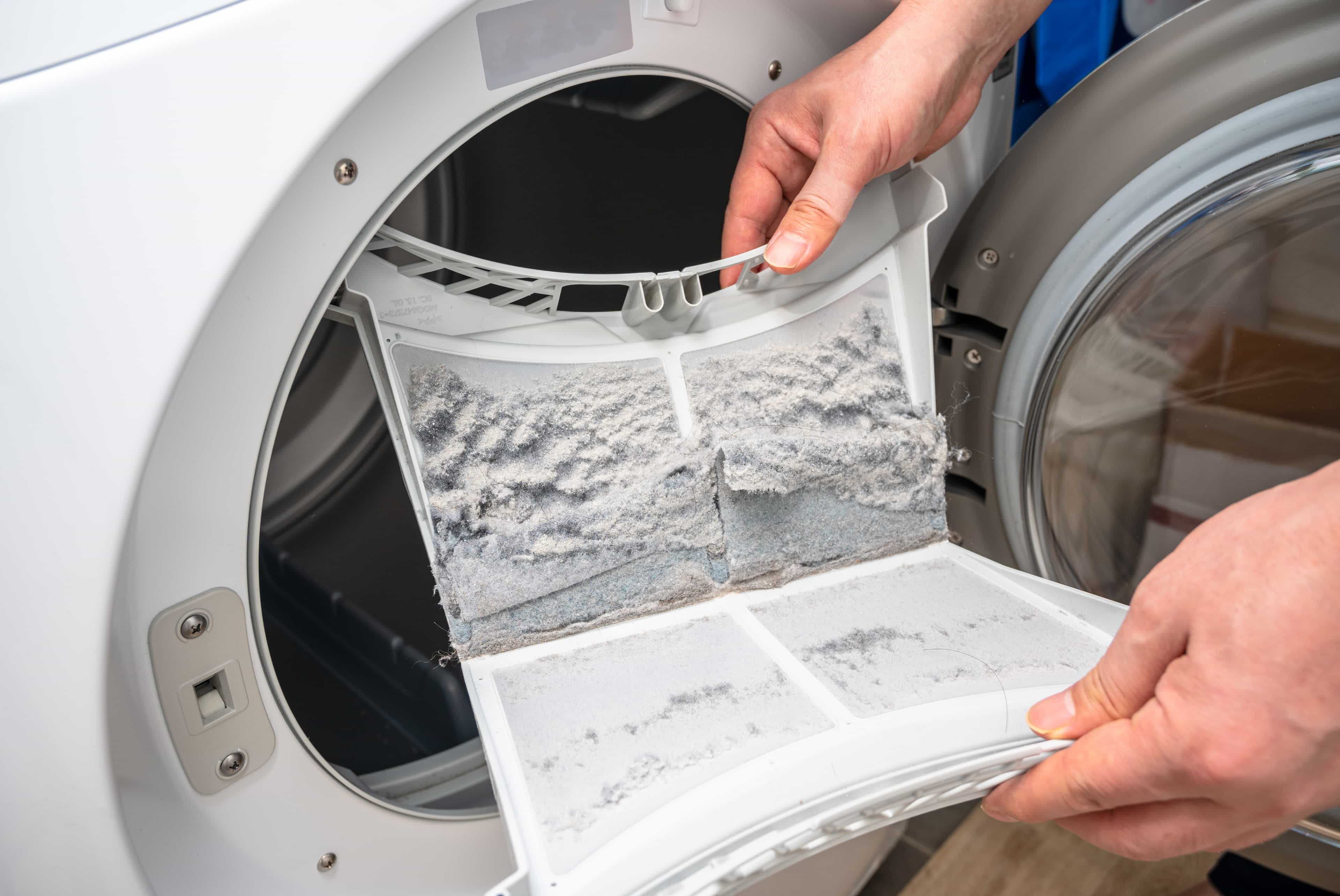
- Watch for pressure fights: if you’re running a kitchen range hood, bathroom fan, dryer, or central vac, you may be depressurizing the house. Try turning big exhaust fans off during start-up.
- Crack a window briefly: if smoke spillage improves immediately, your home may be short on make-up air (especially in tighter, newer builds).
When to stop troubleshooting and bring in a professional: persistent smoke spillage into the room, visible soot staining around joints, a door that won’t seal, repeated “puffs” on reload, or any situation where alarms activate. These are system failures, not quirks.
If you ever suspect backdrafting (smoke entering the room, worsening headaches, dizziness, or alarms sounding), stop using the appliance and ventilate by leaving the space—don’t keep “testing” with bigger fires.