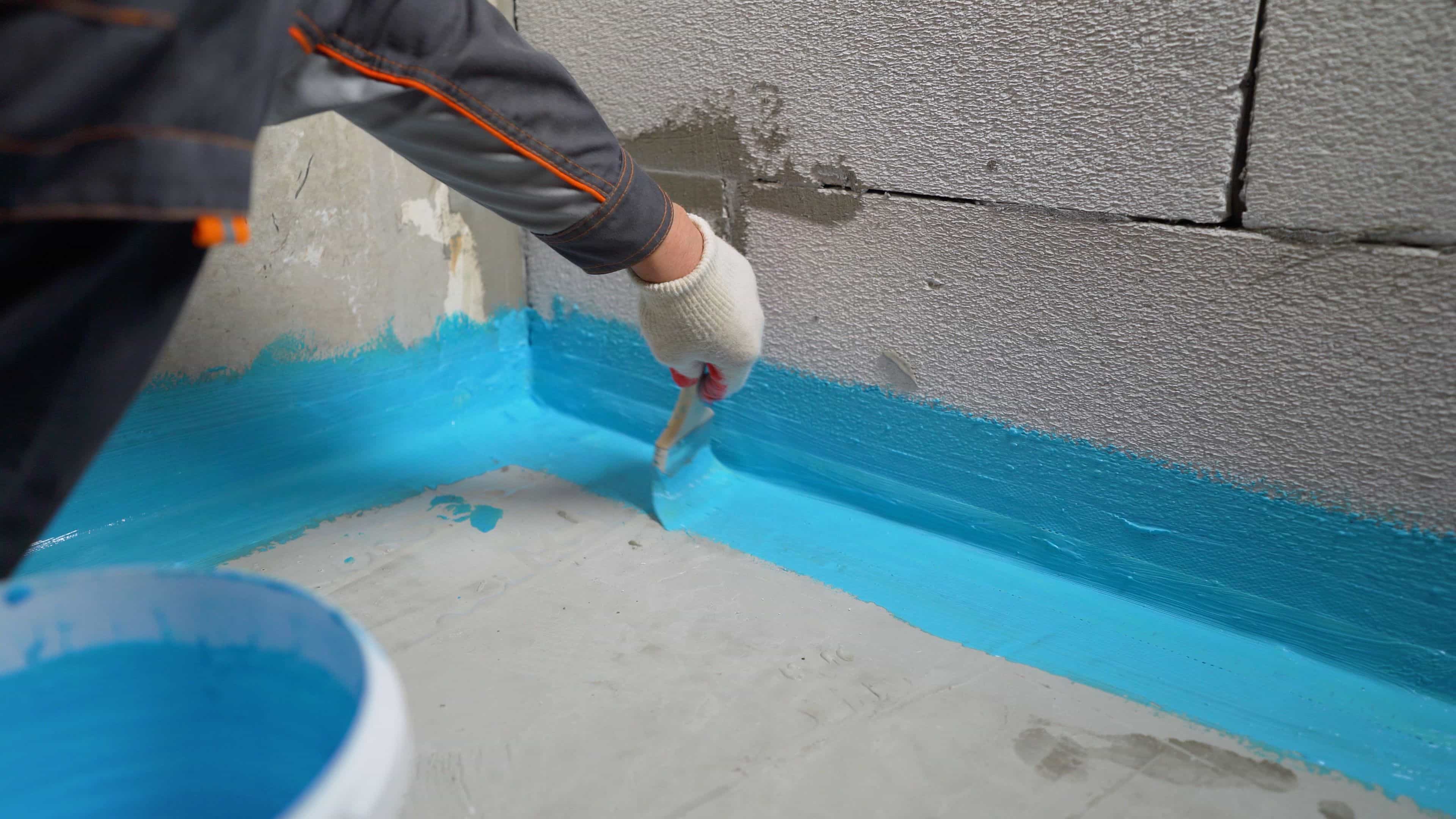
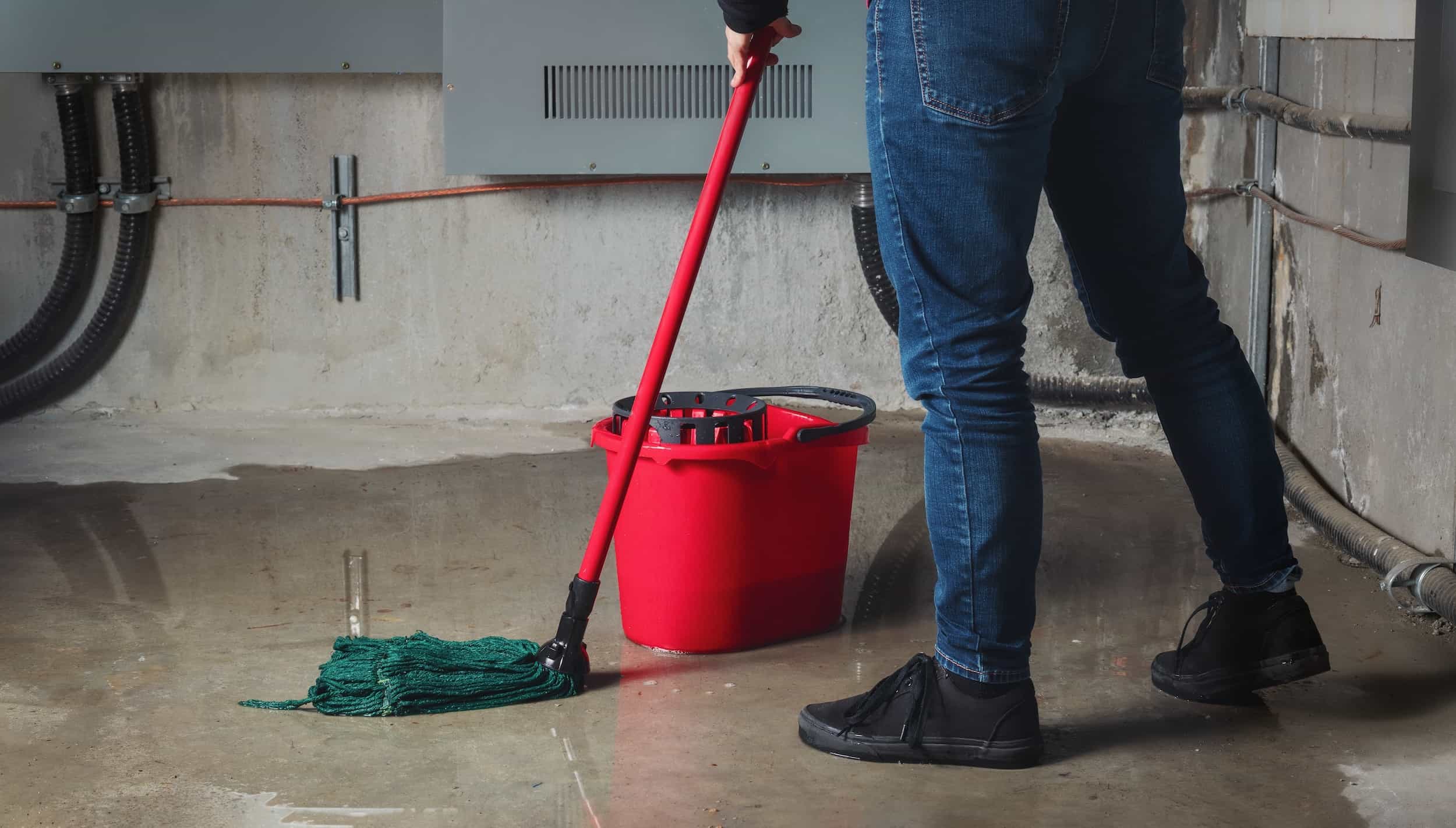
These are not clever questions. They are the questions municipal investigators ask, which is precisely why they are worth borrowing.
Question One: Was It Raining?
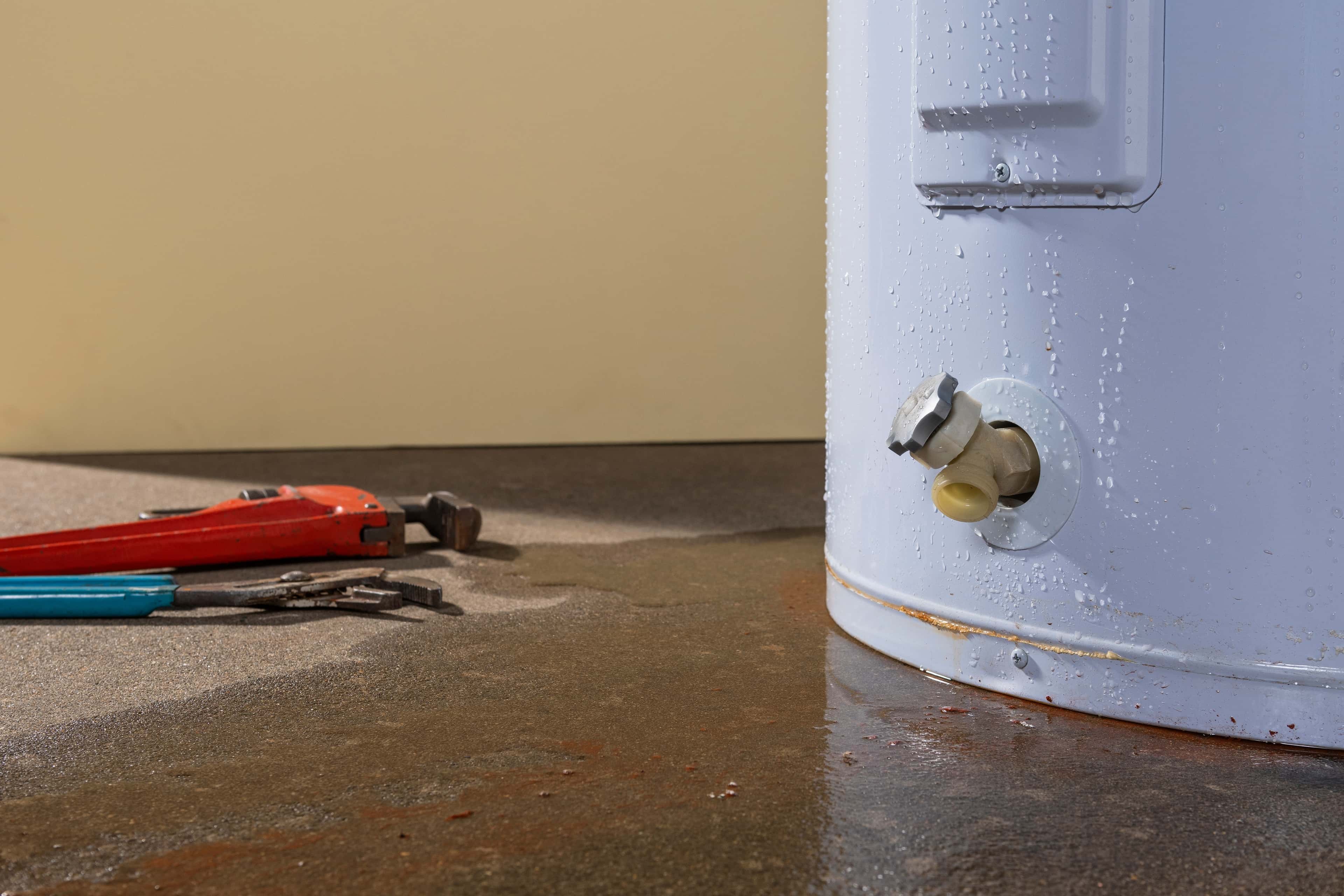
This eliminates more possibilities than any other, and almost nobody thinks to ask it. Water in a basement during dry weather has only three plausible explanations: a blocked or failed sanitary lateral, a foundation drainage system that has quietly stopped draining, or a broken supply line or hot water tank inside the house. Nine of the twelve pathways below require weather. If the sky was clear, skip straight to those three.
Question Two: Was the Water Clear or Muddy?
When City of Toronto water service technicians investigate a reported flood, this is among the first things they ask, along with whether the water had an odour, where it appeared to enter, and how long it took to recede. Their working rule is straightforward: clearer water usually points to overland flow or a drainage failure, while muddy water points to a blockage in the sewer service line or the sanitary sewer itself. Odour settles it. Clean groundwater smells of earth and damp concrete; sanitary water needs no confirmation from anyone.
Question Three: Where Did It Appear First?
Water on a basement floor spreads and levels within minutes, so the puddle tells you nothing. The origin tells you everything. Water that comes up — out of a floor drain, a shower base, a toilet, or the sump pit — is a plumbing or drainage problem. Water that comes in — down a wall, along the wall-floor joint, under a window, through a doorway — is a building envelope problem. Ask whoever was home what they saw first.
Question Four: Did Your Neighbours Flood Too?
This is the cheapest test in the article and it costs one conversation. If several houses on your street took on water at the same time, the sanitary sewer under the road is the likely culprit, and the problem is not on your property. If yours was the only basement affected, the fault is almost certainly on your side of the property line. Toronto asks residents to report flooding to 311 for exactly this reason — clustered reports on one street are how a municipality identifies a blockage in its own main.
Four answers give you a family. This table turns it into a shortlist, and shows what each one usually means for a claim.
Treat the right-hand column as orientation, not an answer. Endorsement names and exclusions vary between insurers, and the last section explains why that column is the most consequential one here.
The Impostor You Should Rule Out First
Before matching a single symptom to a pathway, confirm the water is coming from outside at all. Condensation is the most misdiagnosed cause of a damp basement wall, and it is not an entry pathway — it is warm, humid indoor air meeting a cold surface. Health Canada lists it as a moisture source separate from foundation infiltration, and recommends holding indoor relative humidity between 30 and 50 per cent.
The test is free and takes two minutes to set up. Tape a square of aluminum foil flat against the damp area, press the edges down so no air gets behind it, and pull it off after 24 to 48 hours. Moisture on the room-facing side means condensation, and a dehumidifier is your fix. Moisture on the wall-facing side means water is migrating through the wall from the soil. Both sides wet means both problems, and the seepage gets fixed first. Three clues point to condensation: the dampness is uniform rather than localized, it is worse in summer than winter, and your cold water pipes are sweating too.