Note
Holdback percentages, lien timelines, and the closeout documents homeowners should request are province-specific. Use the contract to force the conversation early, then confirm the local rules before the final amount is released.

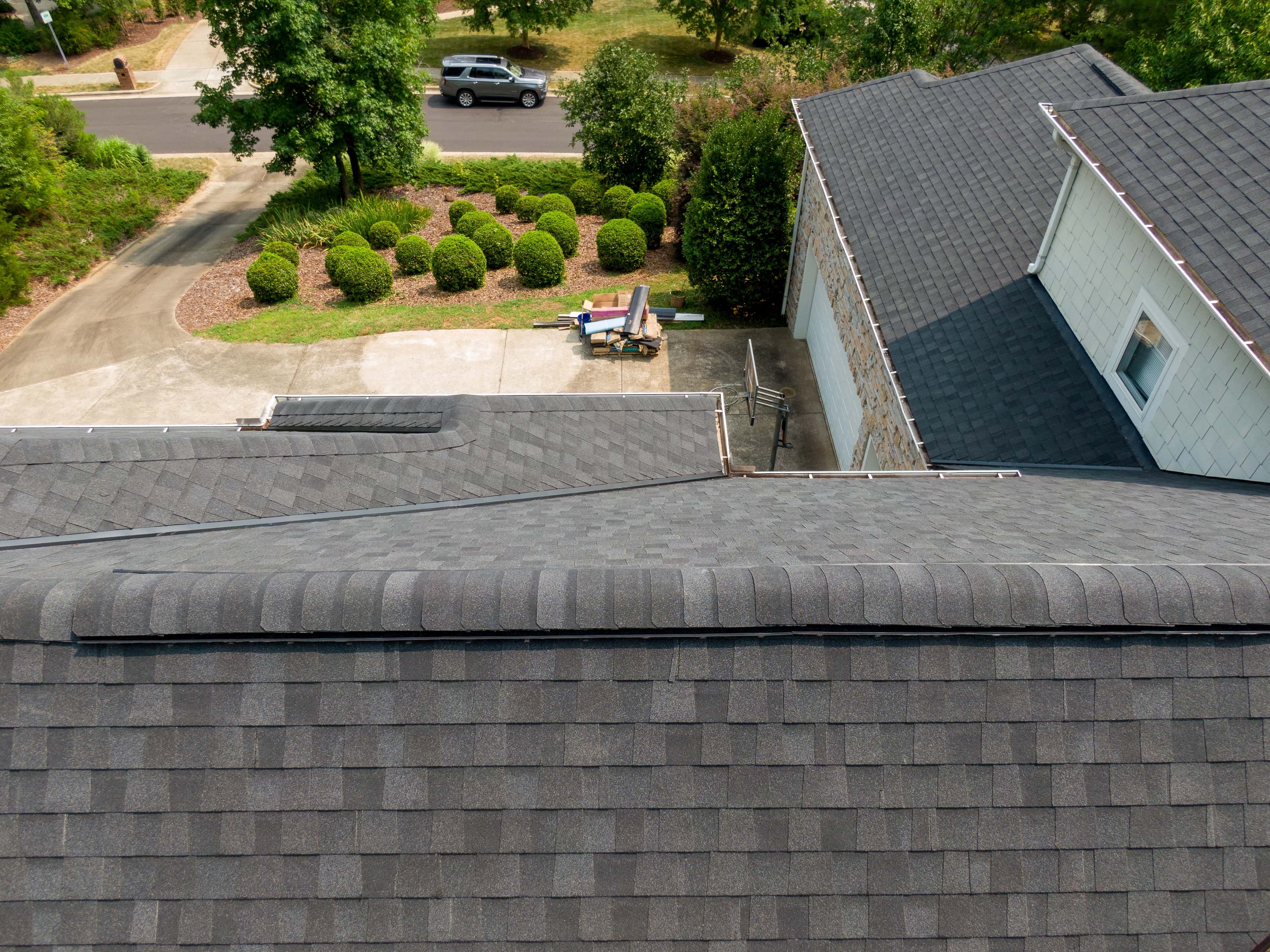
A roof job is not finished when the shingles look straight from the driveway. It is finished when the work has been inspected, the paperwork is complete, and the final payment can be released without leaving exposure behind.
Walk the property first. Inspect the roof from the ground in daylight. Check that flashings are installed at every penetration. Confirm valleys are properly lined and the drip edge is in place. Look for debris in gutters, garden beds, and the driveway — a magnetic nail sweep should be part of cleanup. If the job involved interior leakage, check the attic or ceiling area as well.
Collect the closeout file. At minimum, that means the final invoice, written warranty terms for both materials and workmanship, any manufacturer registration information that must be completed, permit paperwork if a permit was required, and copies of all approved change orders.
Understand holdbacks before you release the final payment. Canadian provinces have lien legislation that requires homeowners to retain a holdback — typically 10% to 15% of the total contract value — for a set period after work is completed (commonly 30 to 45 days). During that window, unpaid subcontractors or suppliers can file a construction lien against your property.
Here is the part most homeowners miss: paying your roofer on time does not protect you from a lien. If the contractor fails to pay their material suppliers or sub-crews, those parties can register a lien on your title regardless. The Canadian Home Builders' Association's legal guidance explains that a registered lien becomes public record and can affect your ability to refinance, access home equity, or sell your property until it is resolved.
In Ontario, the Construction Act requires a 10% holdback from each payment on renovation work. An Ontario construction law resource explains that this holdback must be retained until all potential lien claims have expired or been settled. Other provinces have their own rules — confirm yours before structuring the final payment.
Get lien waivers at closeout. Ask the contractor for a statutory declaration or lien waiver confirming that all subcontractors and suppliers have been paid. This is not a sign of mistrust. It is a standard closeout document.
Register the manufacturer warranty yourself. Do not assume the contractor will do it. Most shingle manufacturers require homeowner registration within a specified period. If you do not register, default coverage is almost always less comprehensive.
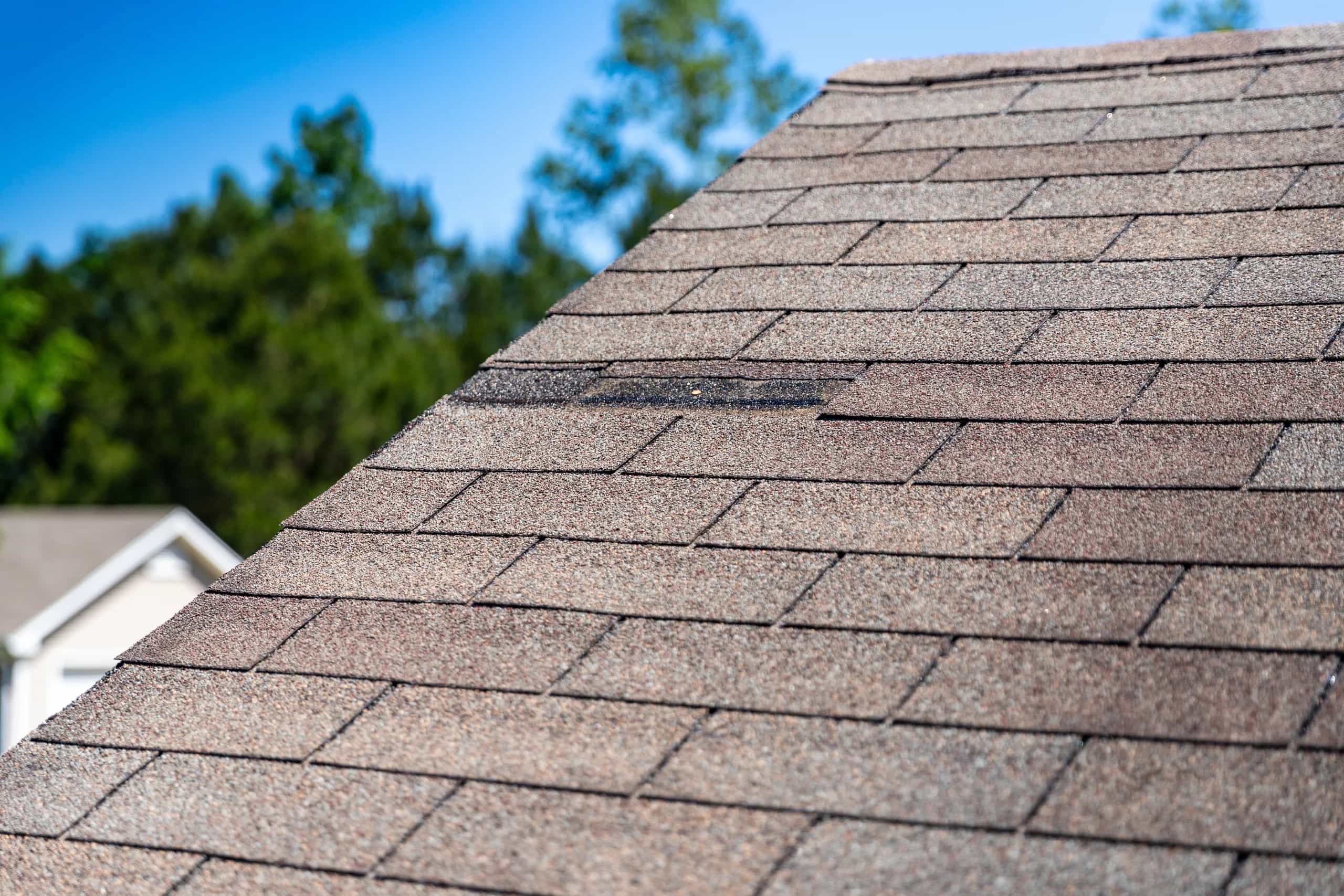
Set two follow-up reminders. The first after the next significant rain. The second after the first full winter cycle. You are looking for lifted shingles, flashing pulling away, attic moisture, or ice dam patterns. If ice damming is a concern for your home, our guide to ice dams, snow loads, and winter roofing problems covers prevention and early detection. Catching a workmanship defect during the warranty period is far better than discovering it after coverage expires.
Holdback percentages, lien timelines, and the closeout documents homeowners should request are province-specific. Use the contract to force the conversation early, then confirm the local rules before the final amount is released.