Tip
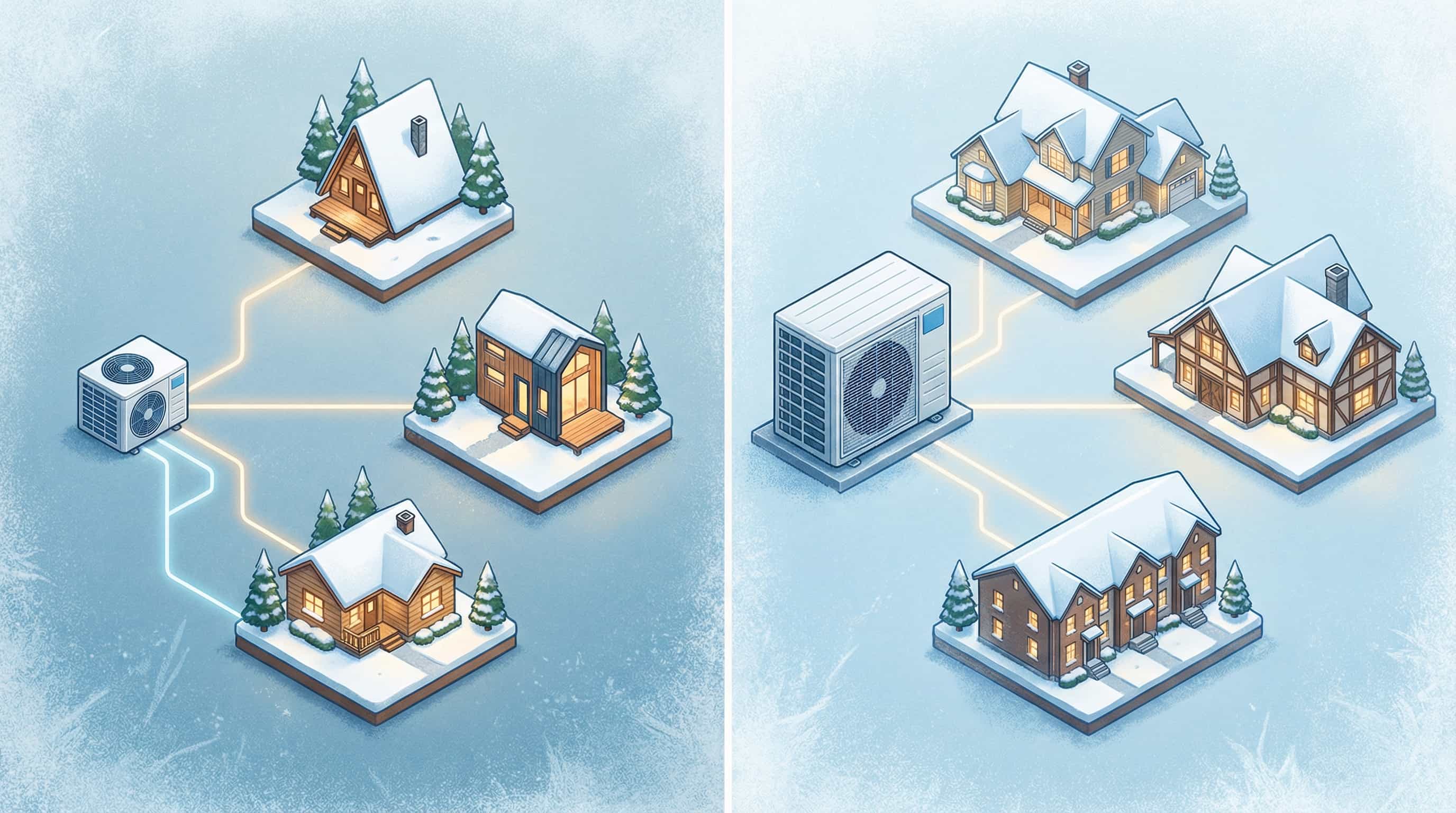
If your existing furnace is relatively new but your A/C is failing, a “hybrid” or dual‑fuel setup can be a smart bridge option—your new heat pump handles most heating and cooling, while the furnace only backs it up in severe cold.

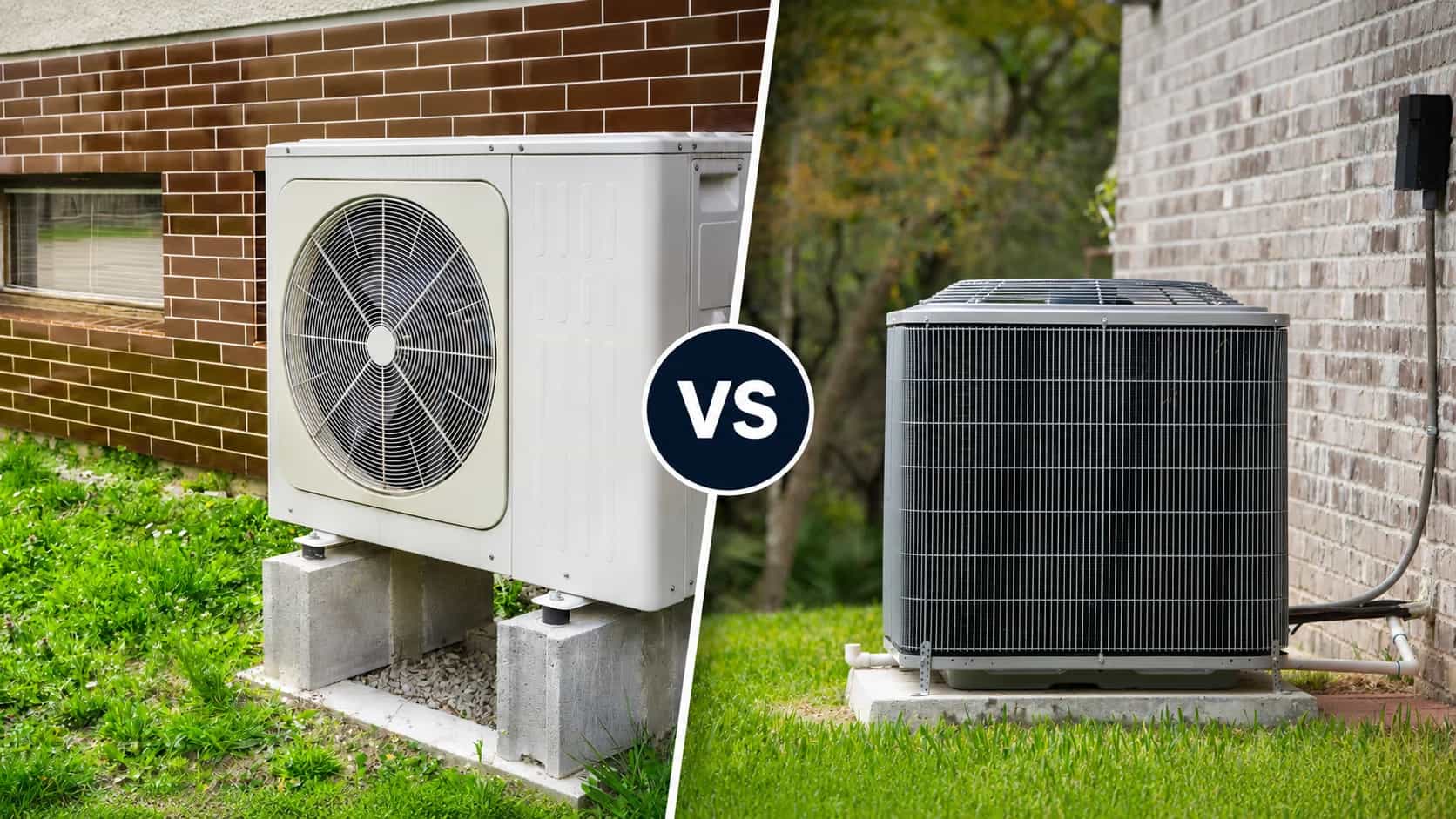
Both heat pumps and traditional central air conditioners use the same basic refrigeration cycle: a compressor moves a refrigerant through coils indoors and outdoors to move heat from one place to another. The key difference is that a heat pump has a reversing valve that allows the system to run in both directions. In cooling mode, it behaves like a regular A/C and moves heat from inside your home to the outdoors. In heating mode, it pulls low‑temperature heat from outside air and moves it indoors.
Because they move heat rather than create it, modern air‑source heat pumps commonly deliver two to three units of heat energy for every unit of electricity they consume—an effective efficiency of 200–300% compared with near‑100% for electric baseboard or furnace elements. That multiplier is what makes them so compelling for homes that currently rely on costly electric resistance heating.
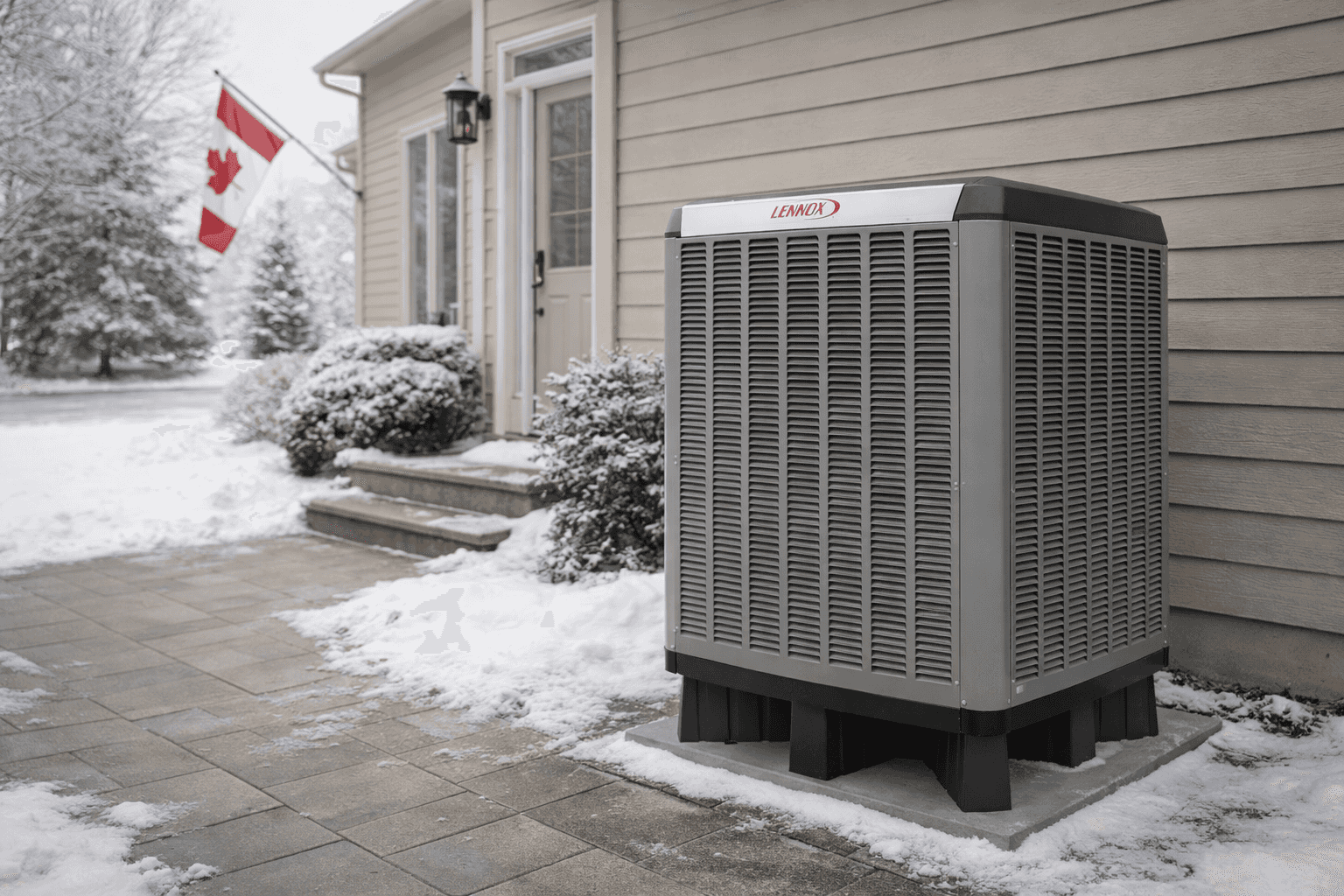
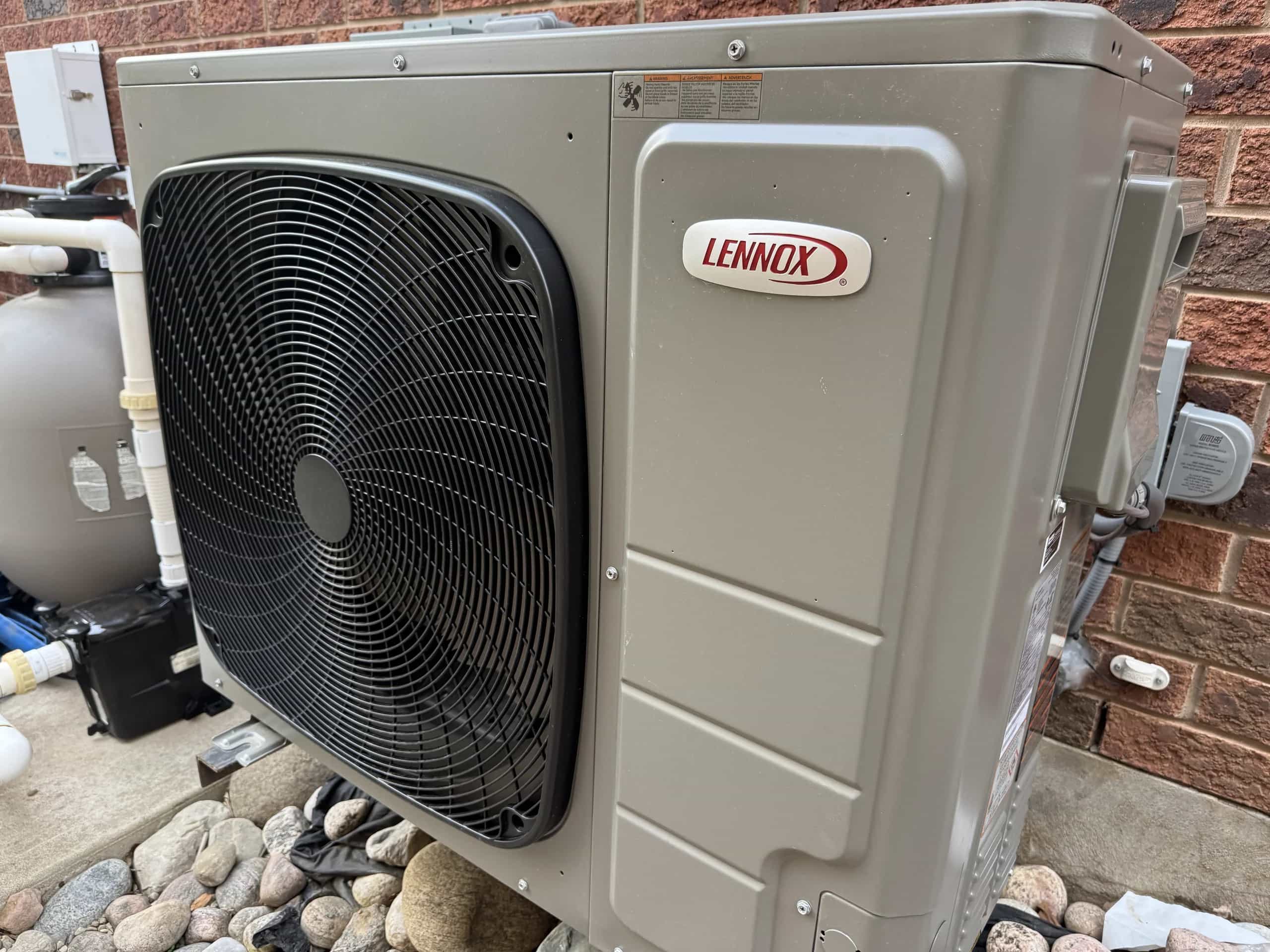
At a practical level, you can think of a central ducted heat pump as a drop‑in replacement for your outdoor A/C unit that can also heat, using the same indoor air handler and ductwork. Many systems are paired with an existing furnace in a “dual‑fuel” configuration: the heat pump handles most of the heating year, and the furnace only turns on when it’s extremely cold or when electricity prices are high relative to gas.
If your existing furnace is relatively new but your A/C is failing, a “hybrid” or dual‑fuel setup can be a smart bridge option—your new heat pump handles most heating and cooling, while the furnace only backs it up in severe cold.