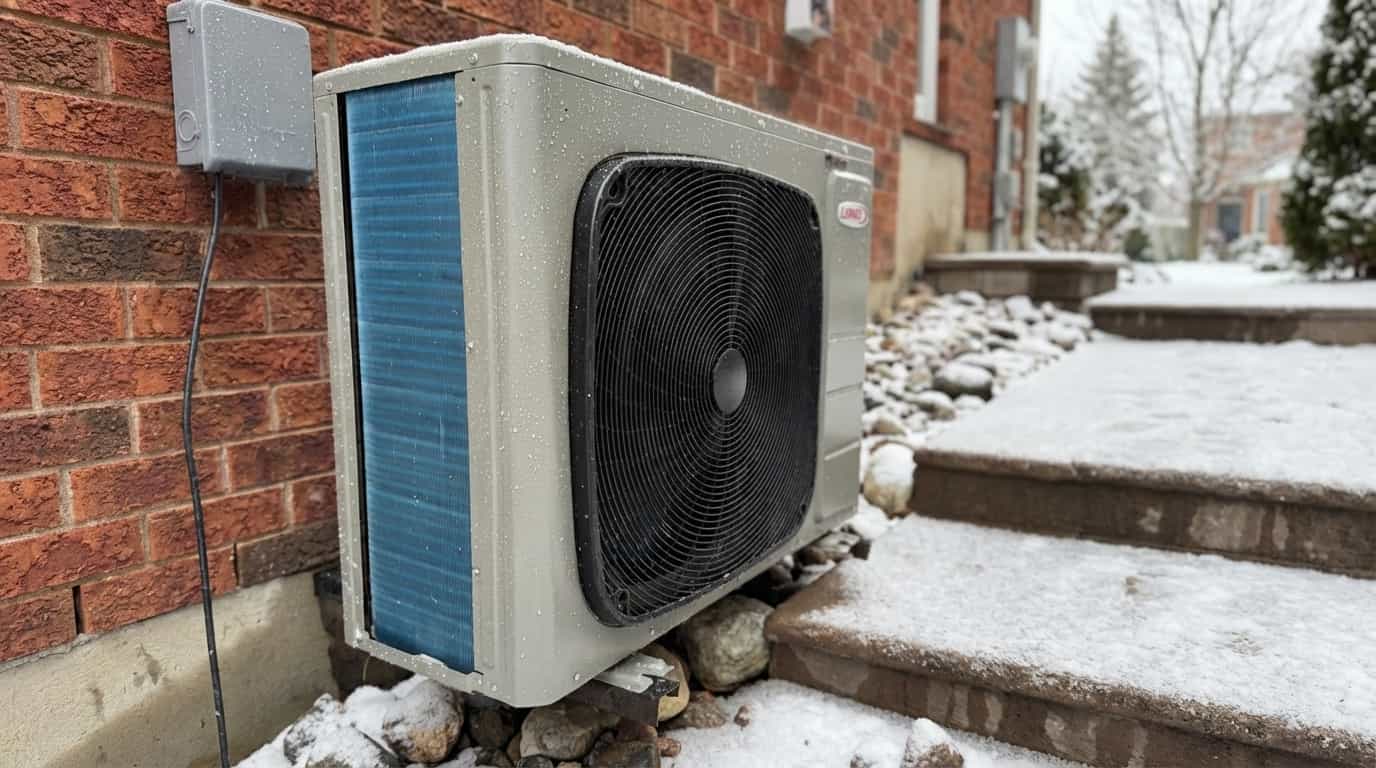
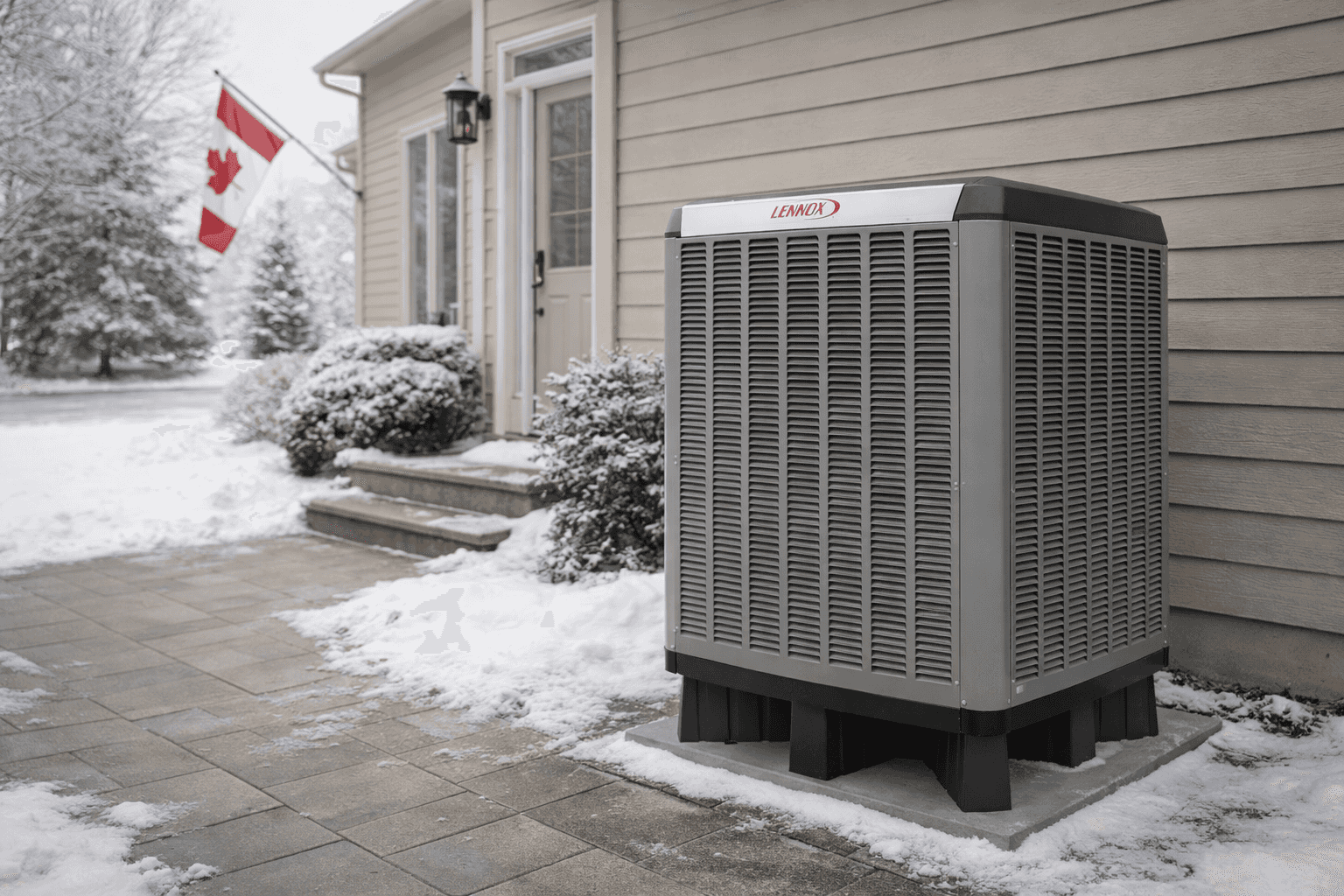
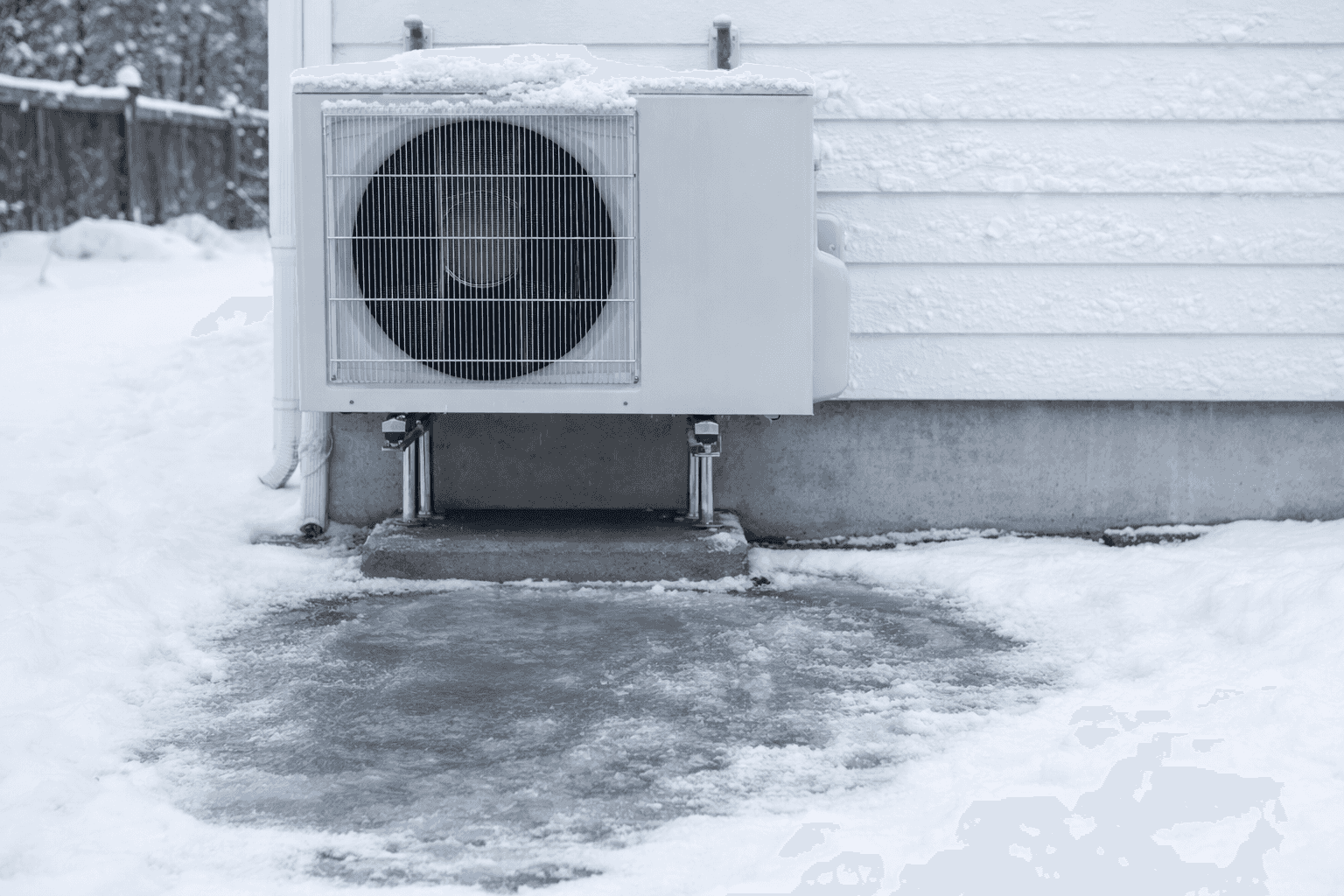
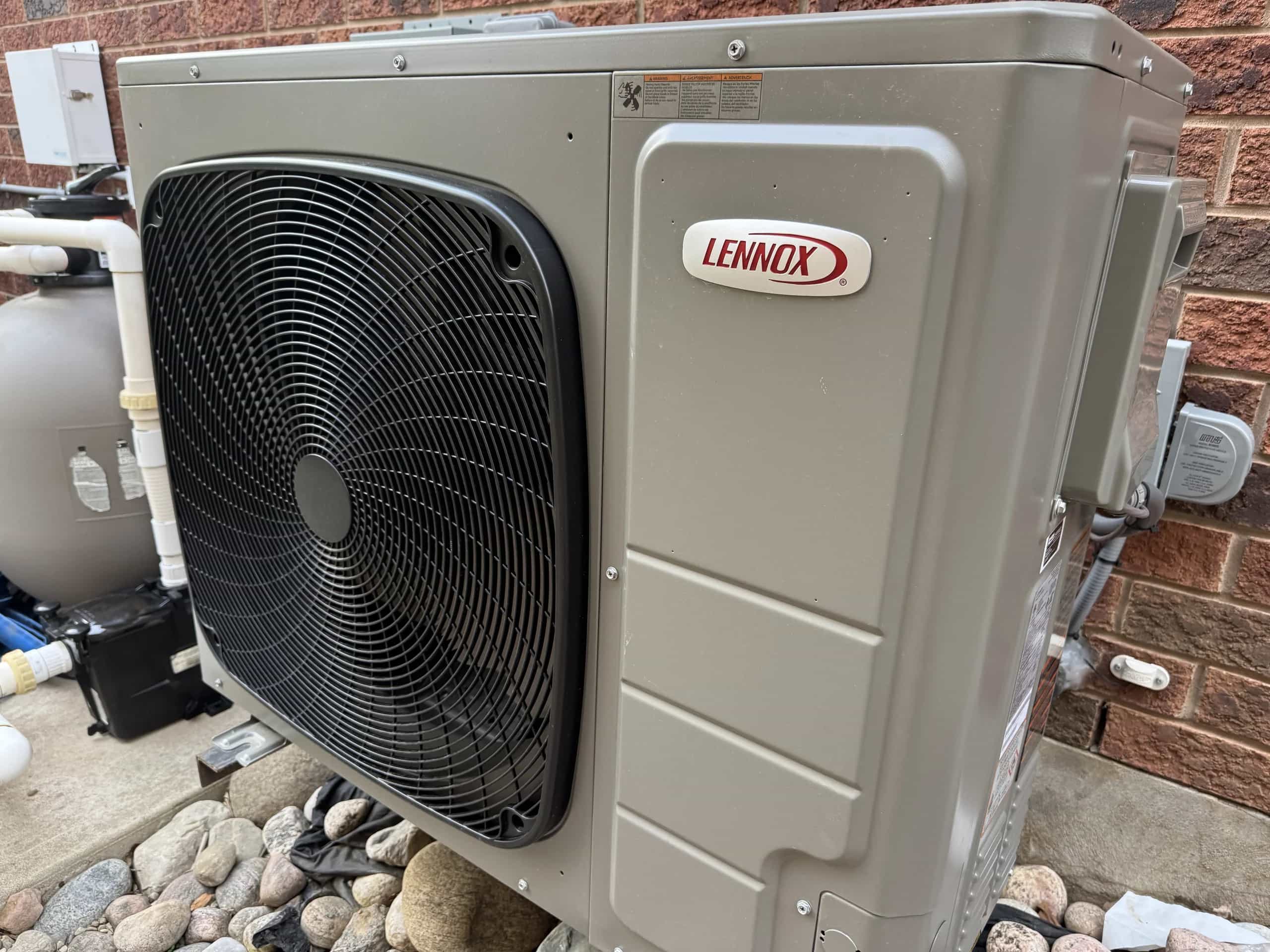
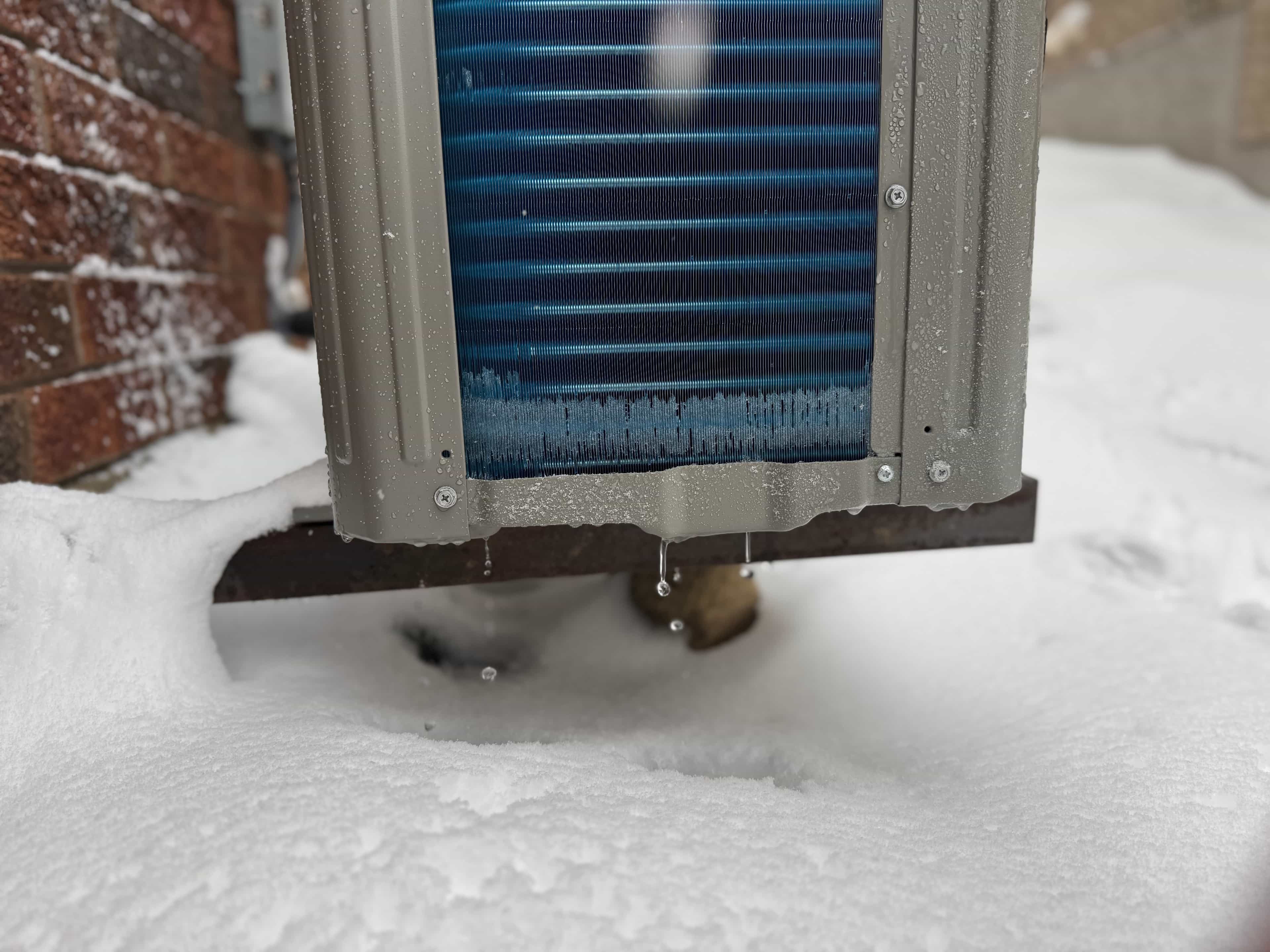
Historically, heat pumps had a deserved reputation for struggling in deep cold. Older models lost capacity and efficiency quickly when temperatures dipped below freezing, leading to drafty homes and heavy reliance on backup heat. That picture is changing rapidly with cold‑climate air‑source heat pumps designed specifically for northern conditions.
Cold‑climate models supported under federal programmes are selected to maintain useful output in temperatures down to roughly –30 °C, with eligibility criteria typically requiring a coefficient of performance (COP) of at least 1.8 at –15 °C according to cold‑region guidance from Natural Resources Canada. That COP means the unit is still delivering about 1.8 units of heat energy for every unit of electricity consumed even at –15 °C.
One of the most counter‑intuitive facts about winter is that very cold air still contains a lot of heat. The federal Oil to Heat Pump Affordability announcement explains that even at –18 °C, outdoor air retains about 85% of the thermal energy it has at 21 °C, which is why well‑designed systems can continue extracting heat in sub‑zero conditions as highlighted by Natural Resources Canada. The challenge is not the absence of heat but the engineering needed to collect it efficiently.
In milder Canadian climates, this is even more favourable. Installers in Metro Vancouver report that heat pumps can reach over 300% efficiency—producing more than three units of heat per unit of electricity used—because temperatures are rarely extremely cold in that coastal environment according to EcoPro Heating. In colder Prairie or interior regions, the same equipment will still provide heat, but may spend more time at lower efficiency and require more backup.
Regional Expectations Across Canada
Use the table below as a “gut check” for what a heat pump can realistically do in different parts of the country. Local microclimates, electricity prices, insulation levels, and equipment choices still matter, but this gives you a framework.
Region / Climate Example
Typical Winter Lows (approx.)
Heat Pump Role
Likely Backup Heat
What To Expect
Coastal BC (e.g., Metro Vancouver, Victoria)
Around –5 to –10 °C
Primary heating and cooling
Small electric backup or none
High efficiency, strong bill savings, heat pump often covers full heating load
Southern Vancouver Island / Gulf Islands
Similar or milder
Primary system
Electric backup if needed
Excellent fit; sometimes no backup beyond existing electric heaters
Hybrid setups shine; heat pump runs most of winter, furnace for deep cold
Interior BC / Alberta / Saskatchewan / Manitoba
–20 to –35 °C
Significant heating share but may not cover worst extremes
Gas, propane, oil, or electric resistance
Still worthwhile, but sizing, backup and controls become critical
Atlantic coastal areas (Halifax, St. John’s)
–10 to –20 °C with damp wind
Major share of heating and cooling
Oil, electric, or propane backup
Strong candidate for oil‑to‑heat‑pump switch with incentives
Northern / off‑grid communities
Often below –30 °C
Partial heating where supported, plus cooling
Wood, oil, or other local heat sources
Needs careful design; cold‑climate, off‑grid rated models only
Important
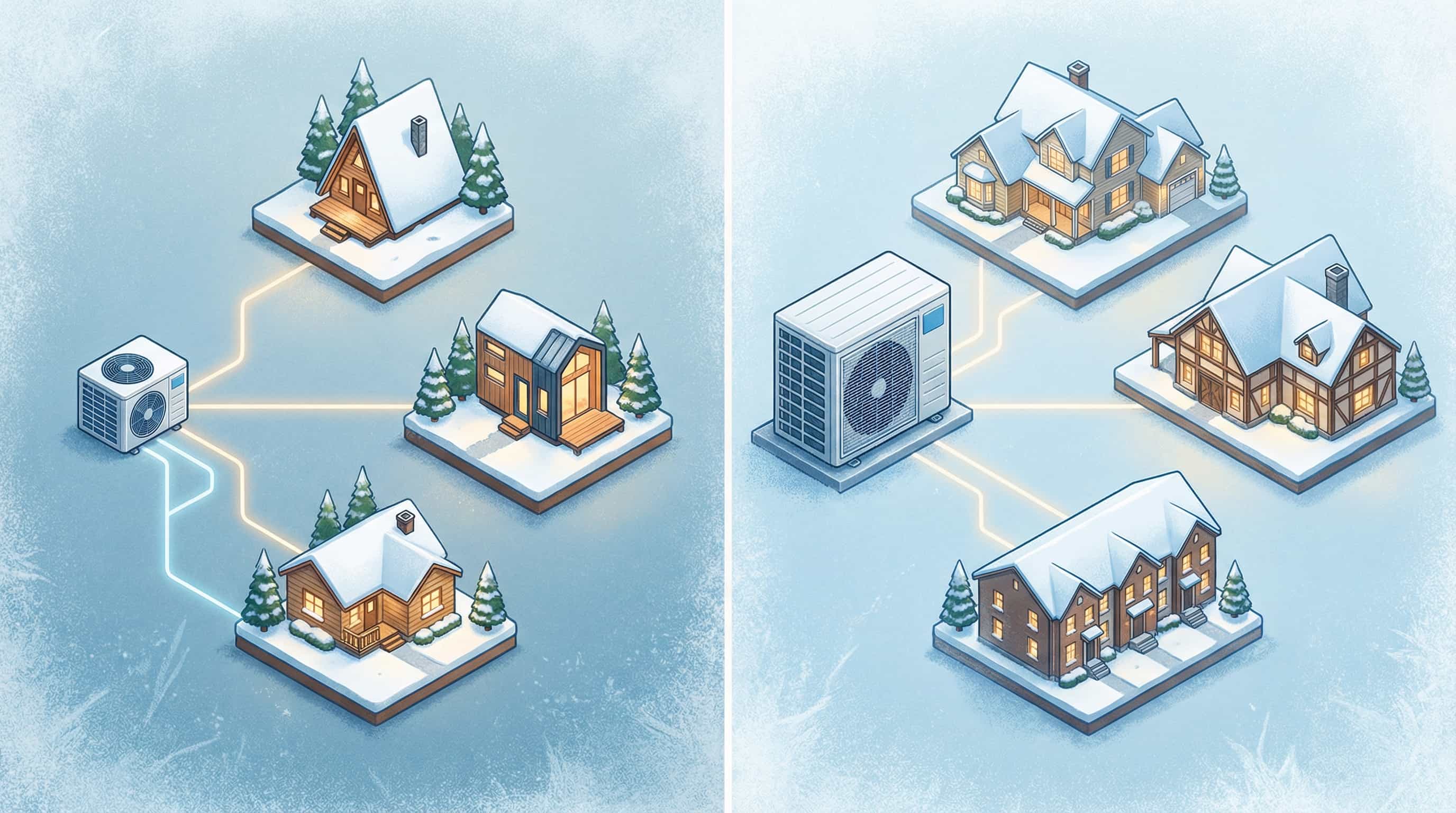
In cold regions, the question isn’t “Will a heat pump work at –30 °C?” but “How will it work with my backup system at –30 °C?” The best outcomes come from designing the heat pump and backup (furnace, boiler, or electric elements) as a coordinated system, not separate gadgets.