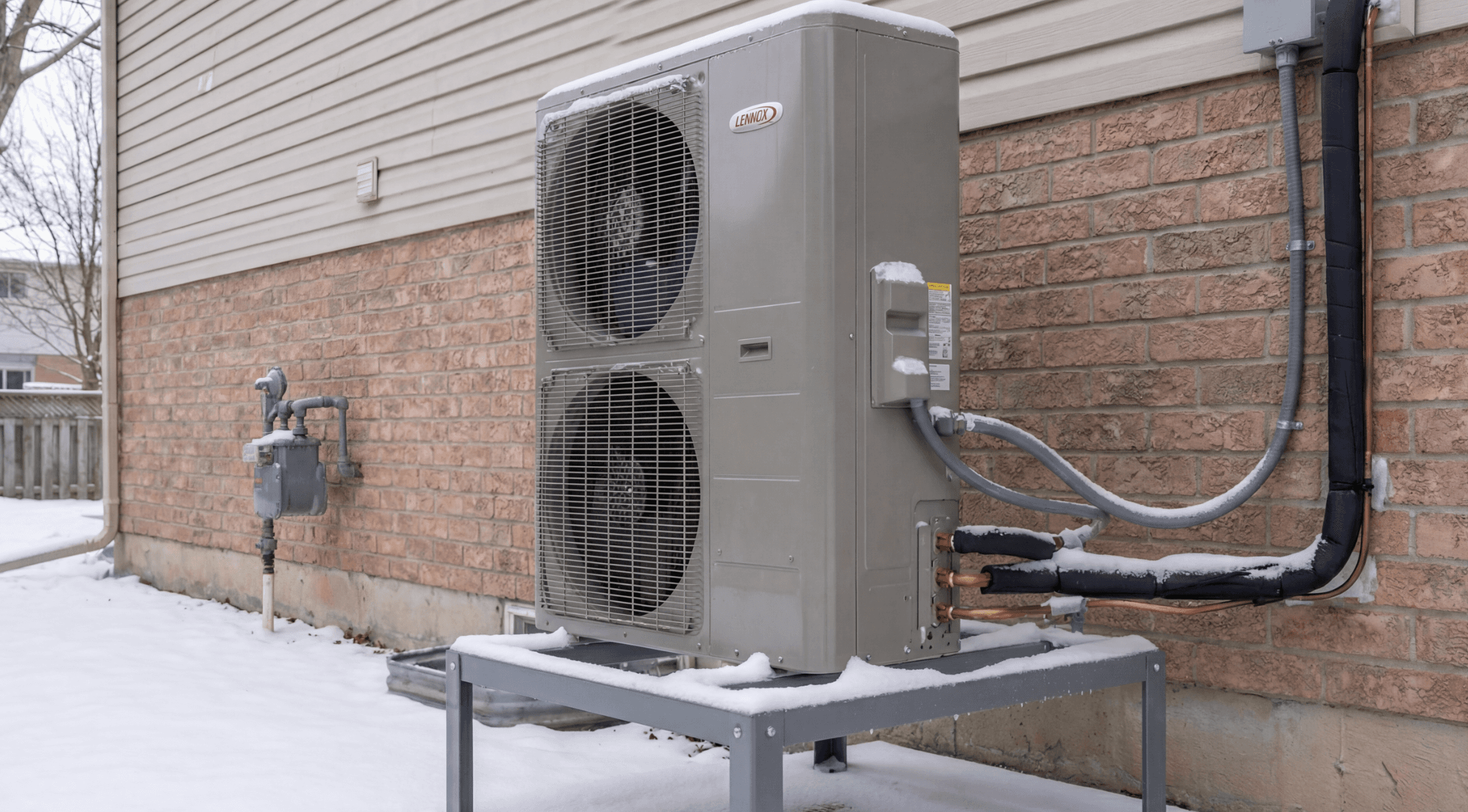
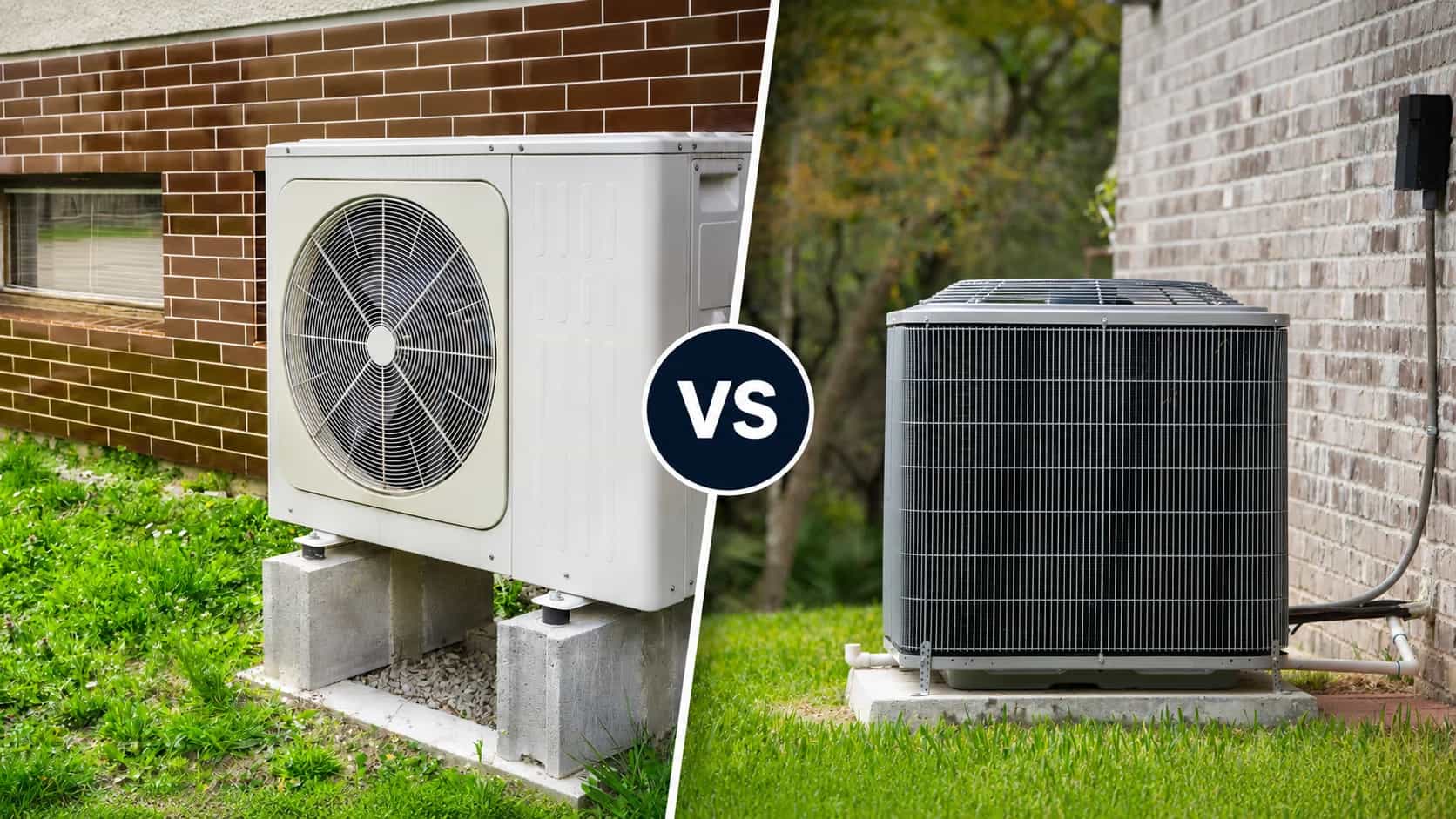
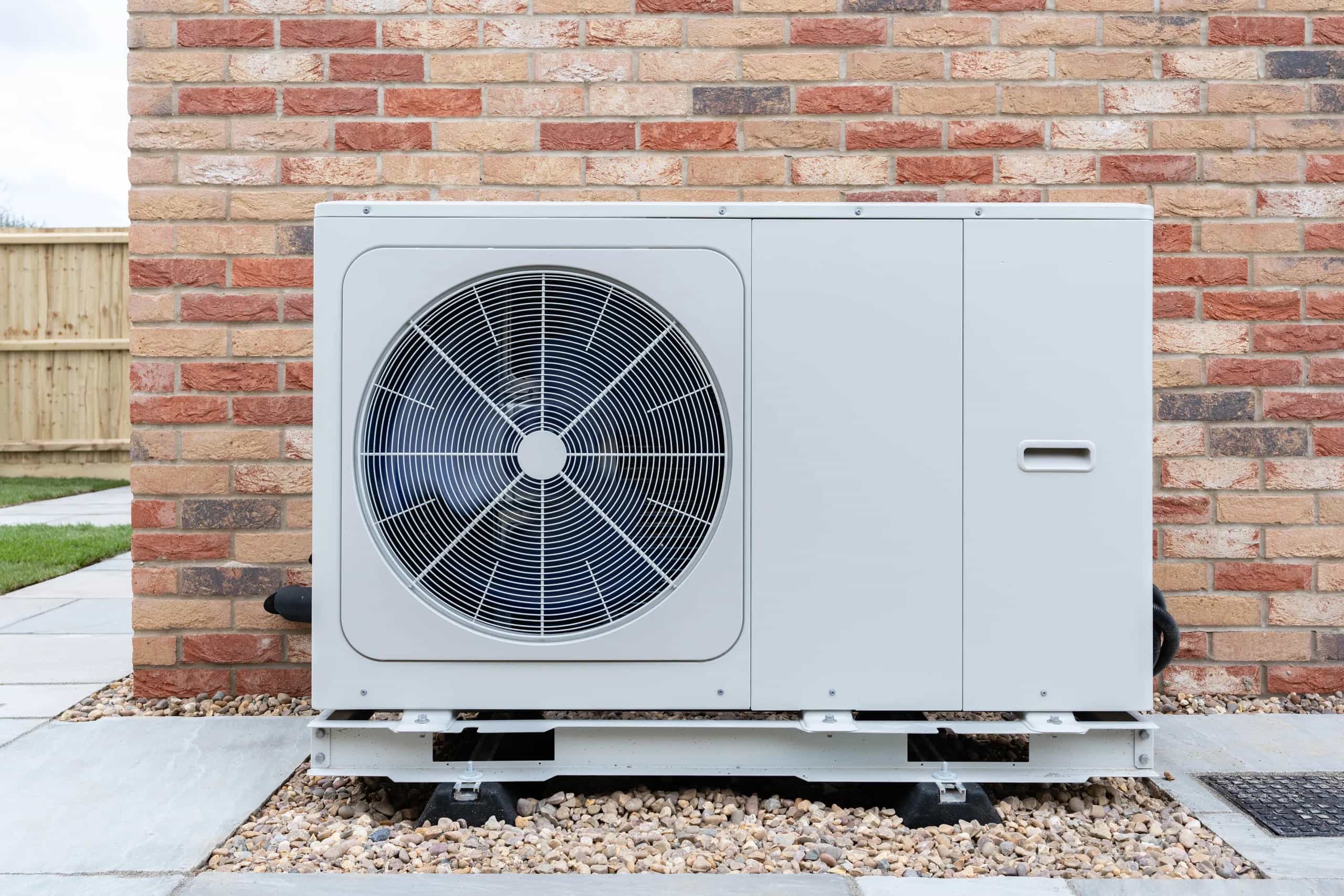
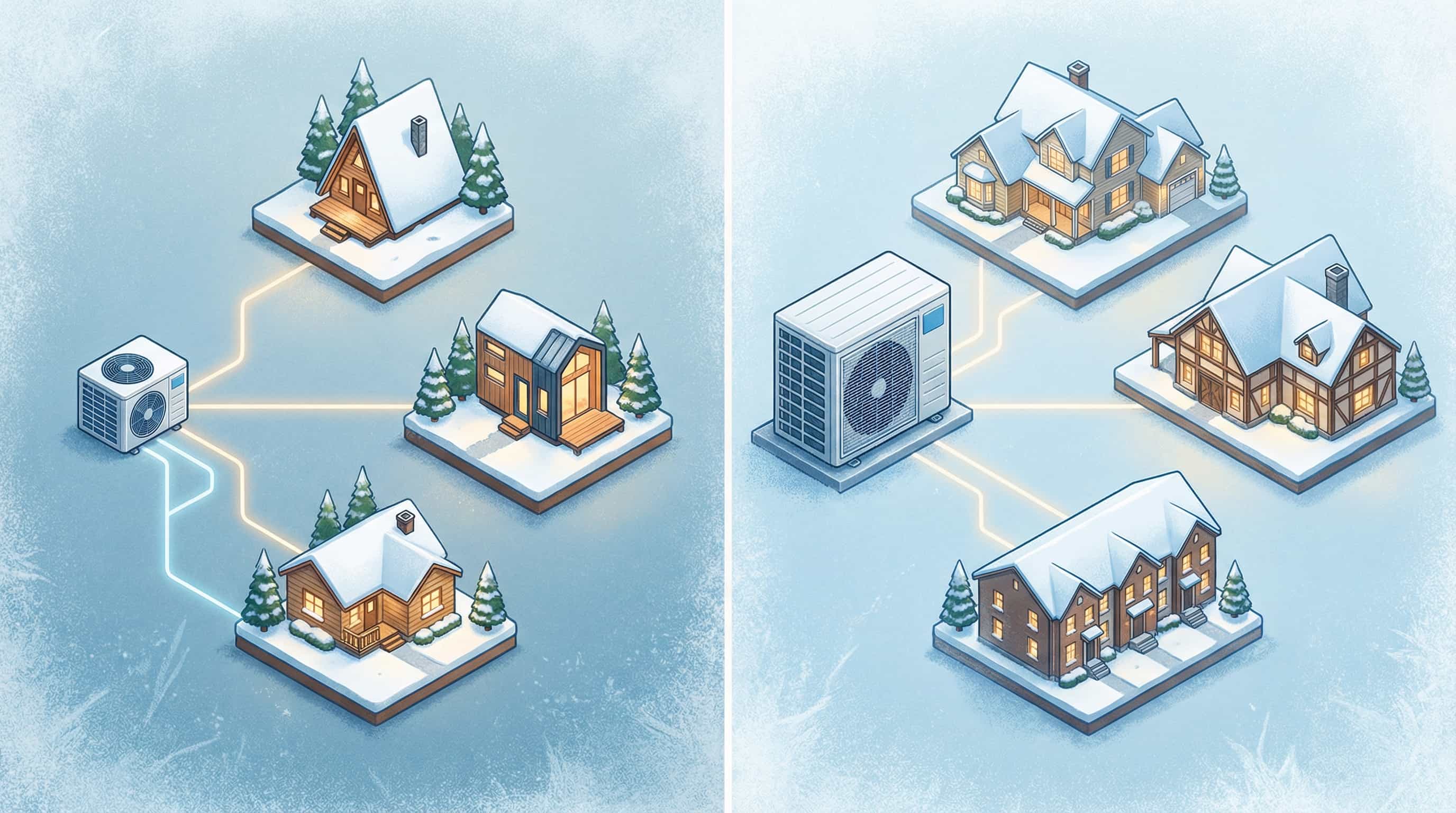
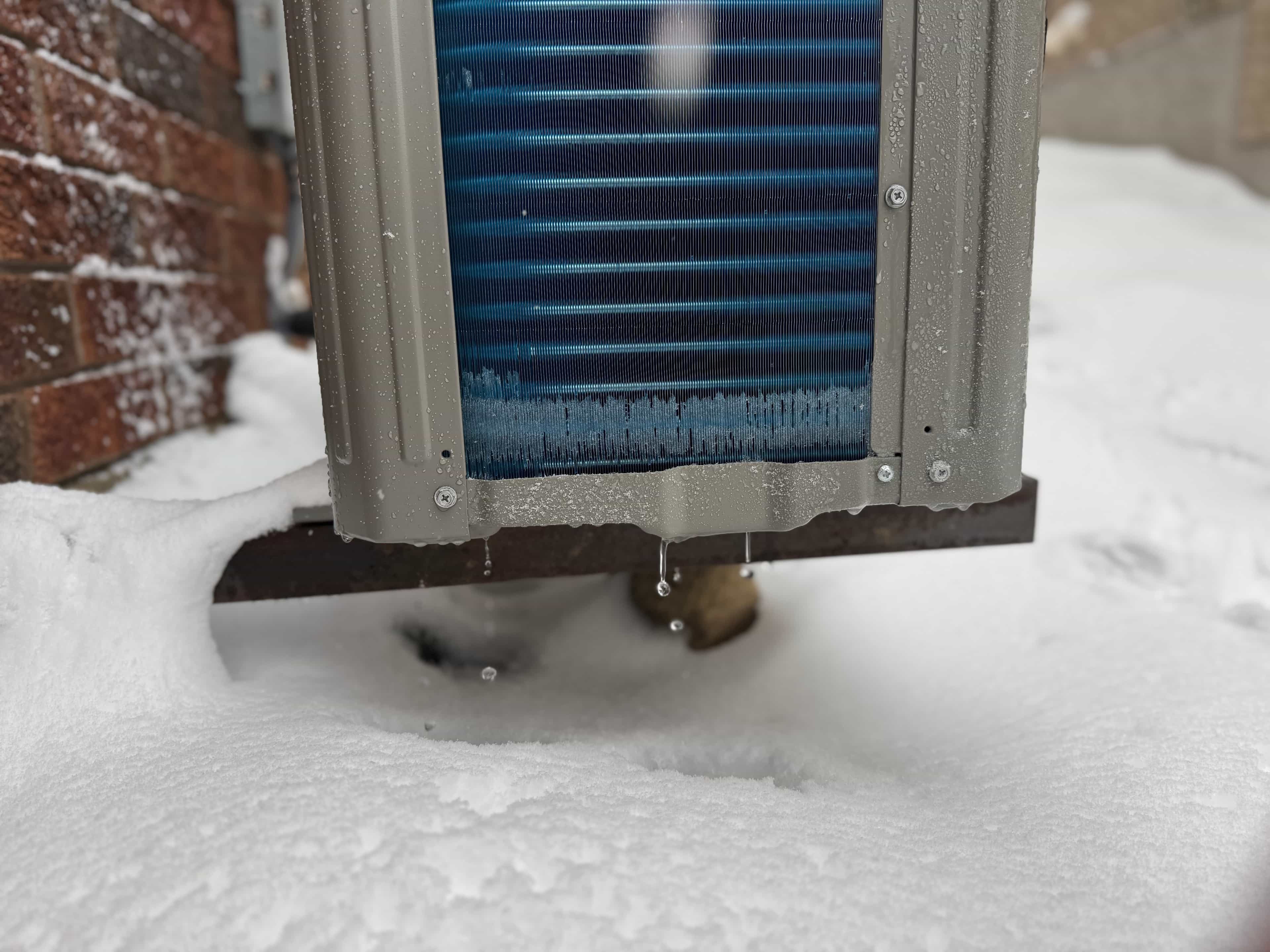
If your central air conditioner is nearing the end of its life, you’re standing at a crossroads: replace it with another A/C, or upgrade to a heat pump. For Canadian homeowners, this isn’t just a technical question—it’s a comfort, cost, and long‑term planning decision that will shape how your home feels in both July heatwaves and January cold snaps.
A heat pump is an electrically driven system that both cools your home in summer and provides heating in winter by moving heat between indoors and outdoors, instead of creating heat by burning fuel or glowing electric elements. In other words, it can often take the place of a separate air conditioner and a large part of your heating system in a single piece of equipment. That “two‑in‑one” role is exactly why many Canadians are now using an A/C replacement moment to rethink their entire comfort system.
Across Canada, federal support has already helped install roughly a quarter of a million new residential heat pumps since 2020 through programmes such as the Canada Greener Homes Initiative, as reported by Natural Resources Canada. That’s a strong signal that this technology is moving from niche to mainstream.
At the same time, incentives are changing, some federal intakes have closed to new applicants, and provincial programmes continue to evolve. Homeowners are left with a very reasonable set of questions: Will a heat pump actually work where I live? How much more will it cost up front? How much might I save? And what exactly is the process to switch from an air conditioner to a heat pump in Canada?
This guide walks through those questions step by step—how heat pumps work, how they compare with A/Cs, how they perform in different Canadian climates, what they cost, what rebates exist, and how to decide whether switching now is the right move for your home.