Note
A right‑sized, well‑installed mid‑range heat pump in a good Canadian application can be a better investment than an over‑sized “top tier” A/C that still leaves you paying high winter heating bills.

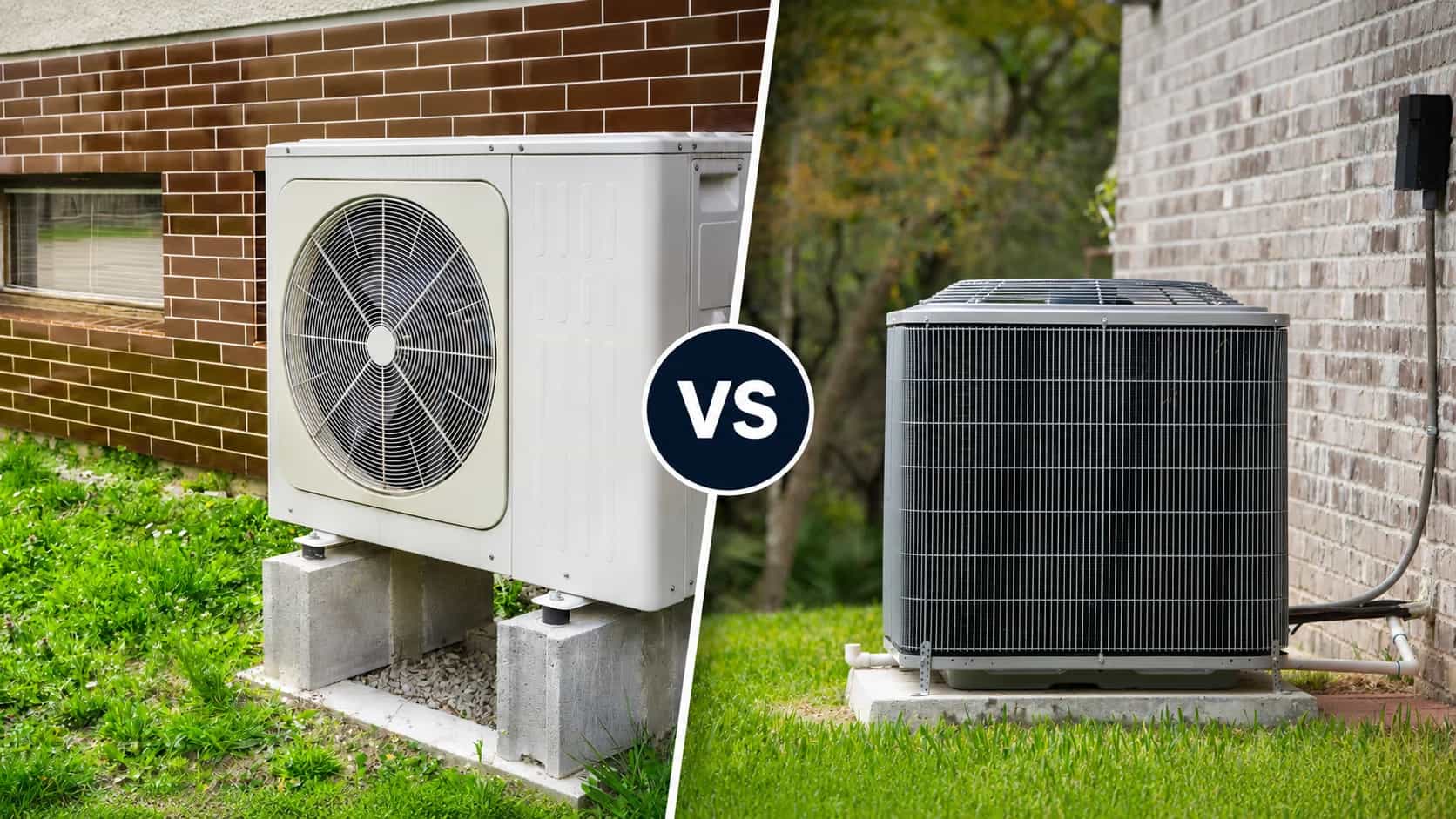
When you’re staring at a repair quote for a dying A/C, the most immediate question is cost. In Canadian markets, installed prices from reputable contractors typically show central air conditioners ranging from roughly $3,500–$7,000, while similar‑capacity heat pumps may range from about $4,000–$10,000 before rebates, depending on the home and configuration according to examples from EcoPro Heating. The ranges are wide because ductwork, electrical upgrades, brand tiers, and cold‑climate features all move the number.
On operating costs, the picture can flip in favour of heat pumps because each kilowatt‑hour of electricity can deliver two to three times as much usable heat as an electric baseboard or furnace element. In gas‑heated homes, savings depend on the local relationship between electricity and gas prices, but using a heat pump to cover mild‑to‑moderate winter days while keeping the gas furnace only for deep cold can significantly cut gas consumption.
An analysis highlighted by NerdWallet Canada, based on work by the Ontario Clean Air Alliance, modelled a detached home in Ontario switching from central air conditioning to an air‑source heat pump and estimated around $2,676 per year in electricity cost savings in one financing scenario, even after accounting for loan payments on the new system according to NerdWallet Canada. The same coverage notes that the lifetime cost of a standard heat pump with electric backup can be about 13% lower than the combined cost of a gas furnace plus A/C in some Canadian studies, reinforcing that the total picture is more than just the sticker price.
These are not guarantees; they are scenario‑specific examples. But they illustrate the central pattern: pay more up front, potentially save each month, and often come out ahead over the lifetime of the equipment—especially when incentives are layered on top.
Here’s a simplified way to think about the options when your A/C is failing:
A right‑sized, well‑installed mid‑range heat pump in a good Canadian application can be a better investment than an over‑sized “top tier” A/C that still leaves you paying high winter heating bills.