From First Question To Completed Installation
Switching from an air conditioner to a heat pump is best approached as a small project with clear stages rather than a rushed emergency purchase.
Step 1: Clarify Your Goals
Decide what matters most:
- Lowest possible upfront cost?
- Lower monthly energy bills over time?
- Reduced reliance on fossil fuels?
- Better comfort in certain rooms or floors?
- Preparing the home for future electrification?
Write down your priorities; they will guide trade‑offs later.
Step 2: Understand Your Home’s Starting Point
Gather basic information:
- Age, size, and efficiency of your current furnace/boiler and A/C.
- Type of ductwork (if any) and whether certain rooms are always too hot or cold.
- Your recent energy bills for gas, oil, propane, or electricity.
- Any known issues: electrical panel capacity, moisture problems, or insulation gaps.
This “snapshot” will help both your energy advisor and HVAC contractors.
Step 3: Book An EnerGuide Home Energy Evaluation (If You Want Incentives)
If you plan to access major grants, you will typically need a pre‑retrofit EnerGuide evaluation by a Natural Resources Canada–registered energy advisor, with federal information indicating that up to $600 of this cost can be reimbursed as part of Greener Homes according to Natural Resources Canada. National rebate guides emphasise that this step is mandatory for most bigger programmes and should be done before any work begins as summarised by Solenery.
The advisor will provide:
- A current EnerGuide rating for your home.
- A list of recommended upgrades (insulation, windows, equipment).
- Documentation you will need to claim rebates later.
Step 4: Shortlist Qualified HVAC Contractors
Look for contractors who:
- Have specific experience with cold‑climate heat pumps (not just A/C).
- Are familiar with local incentive programmes and their paperwork.
- Can provide Manual J or equivalent load calculations, not just rules‑of‑thumb sizing.
- Offer support for both ducted and ductless options if relevant.
Ask whether they have installed systems that qualify under Greener Homes or OHPA requirements, such as the HSPF2 and SEER2 thresholds indicated by Natural Resources Canada.
When requesting quotes, send contractors the same information (home size, current equipment, goals, recent bills) and ask them to price both a standard A/C replacement and a heat pump option so you can compare like for like.
Step 5: Evaluate Equipment Options And Integration
With quotes in hand, dig into the details:
- Is the unit a cold‑climate model, and to what temperature is its rated output listed?
- How will it integrate with your existing furnace or backup heat?
- What are the HSPF2 and SEER2 ratings, and how do they compare with minimums set by federal programmes?
- Will you need an electrical panel upgrade or new circuits?
- Are there any ductwork modifications required to improve airflow?
This is where a high‑quality contractor earns their fee—small design choices can have large comfort and cost impacts.
Step 6: Confirm Incentives And Pre‑Register If Required
Before signing a contract, confirm:
- Which federal programmes (if any) you are eligible for (e.g., OHPA if you currently use oil).
- Which provincial and utility rebates are open and relevant to your project, using up‑to‑date overviews such as the 2025 incentive summaries compiled by Canadian Real Estate Magazine.
- Whether you must pre‑register or submit documents before work starts.
Make sure your contractor understands which programmes you are targeting so that they can select qualifying equipment and provide required documentation.
Step 7: Schedule Installation And Commissioning
During installation, insist on:
- Proper refrigerant line work and pressure testing.
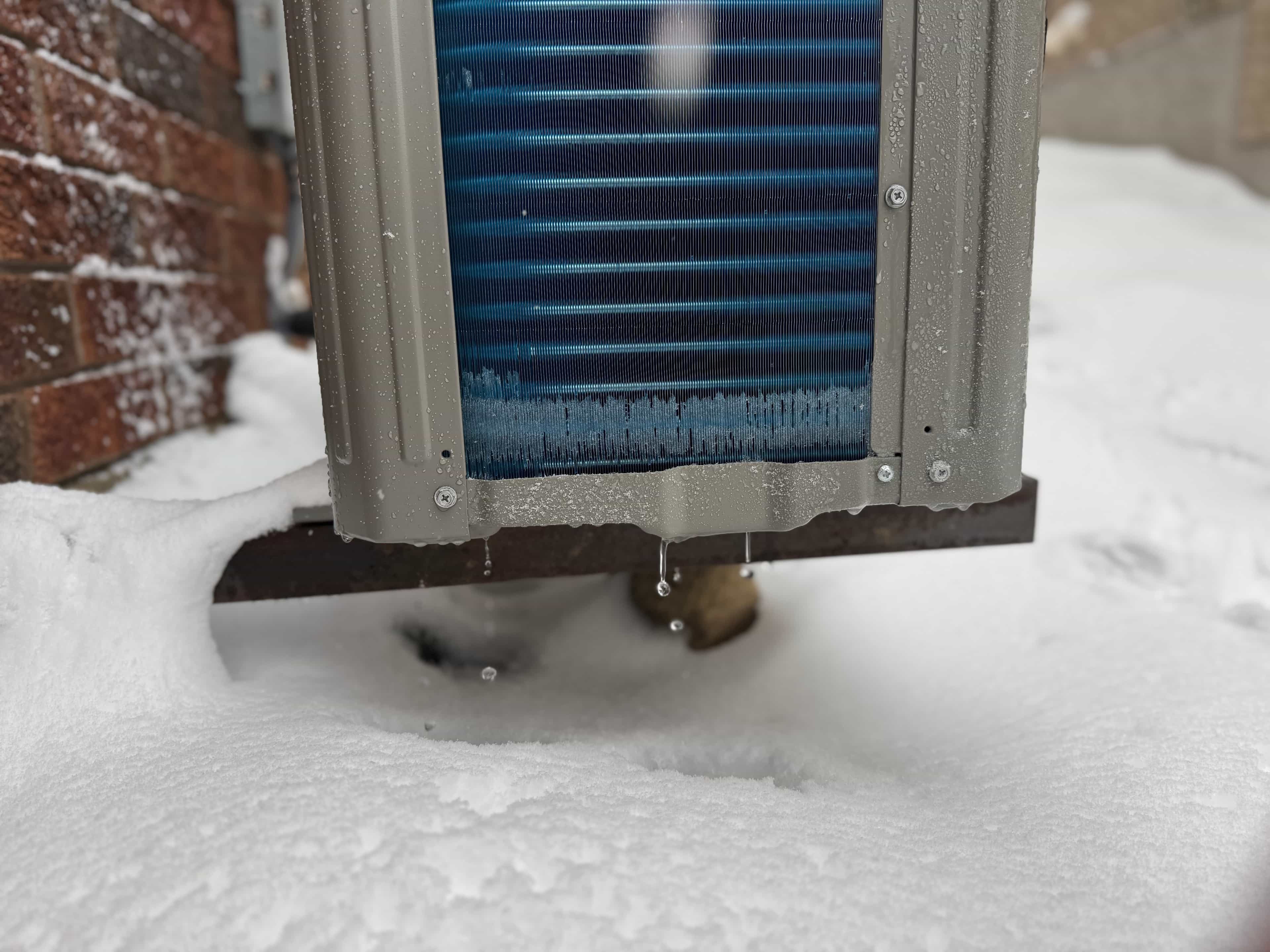
- Careful attention to defrost cycle settings for cold climates.
- Commissioning tests to confirm airflows, refrigerant charge, and control settings.
Ask your contractor to walk you through the thermostat or control app, especially how and when the backup heat source will engage.
Step 8: Optimise Use And Maintenance
After the system is running:
- Experiment with setpoints—most heat pumps perform best with steady temperatures rather than wide day/night setbacks.
- Clean or replace filters regularly, especially in the first year when construction dust may still be present.
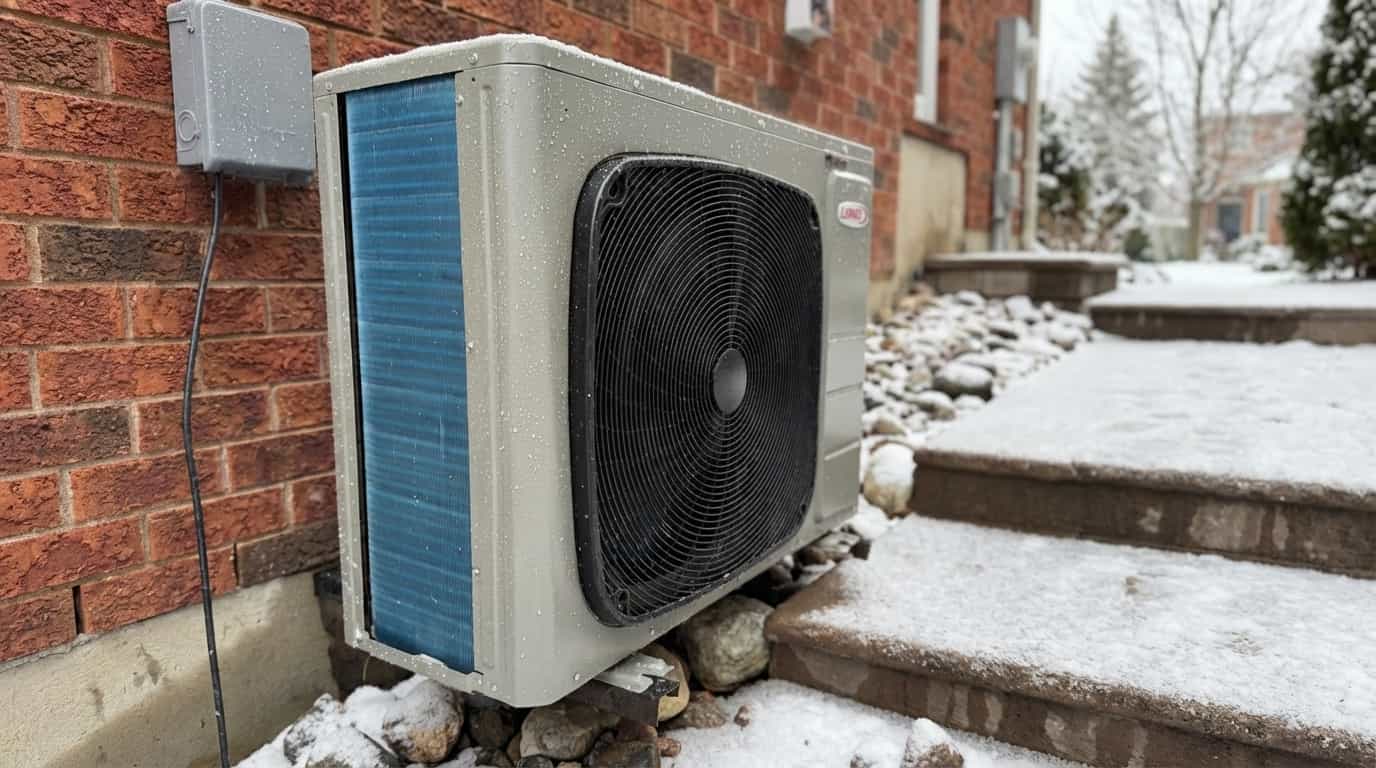
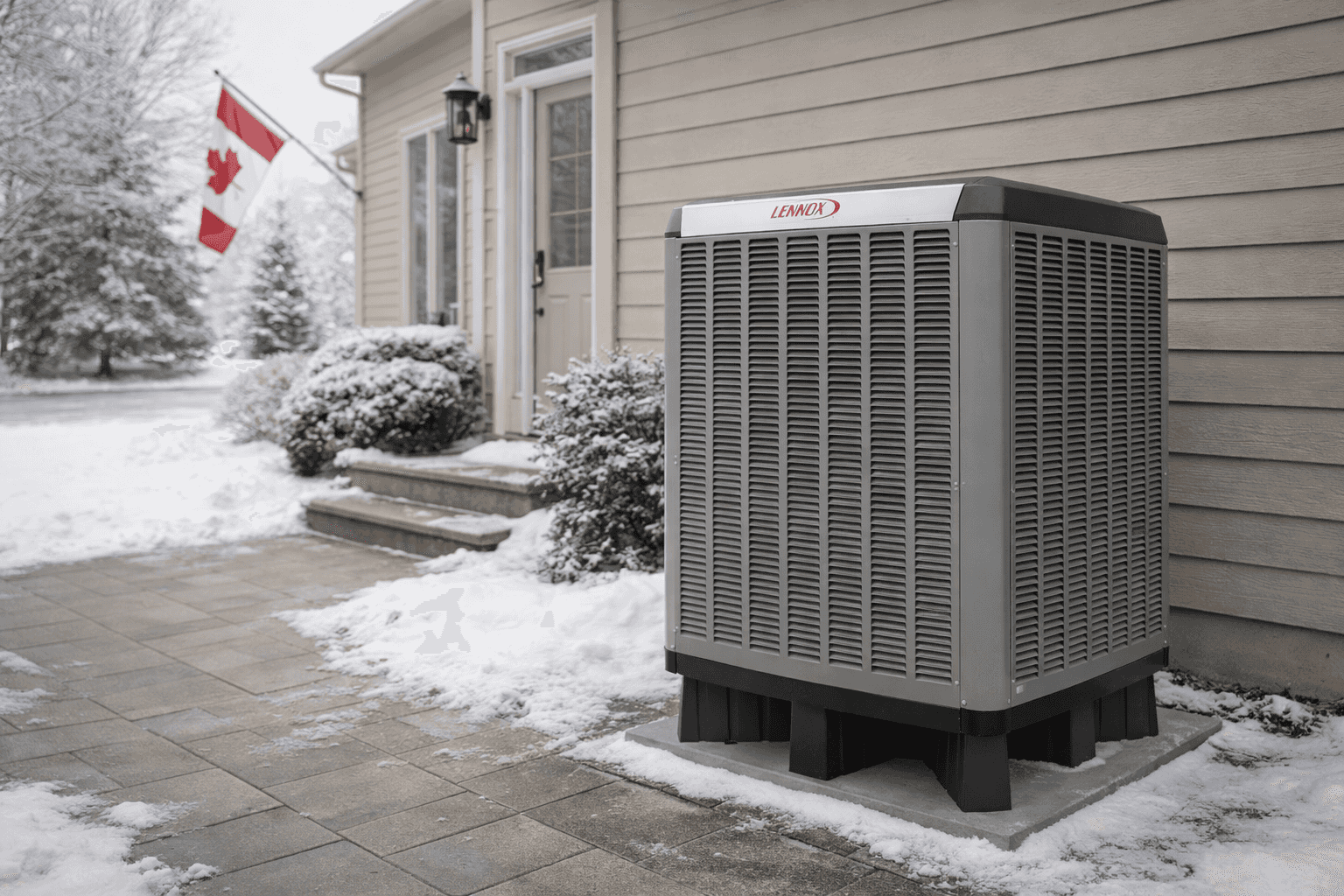
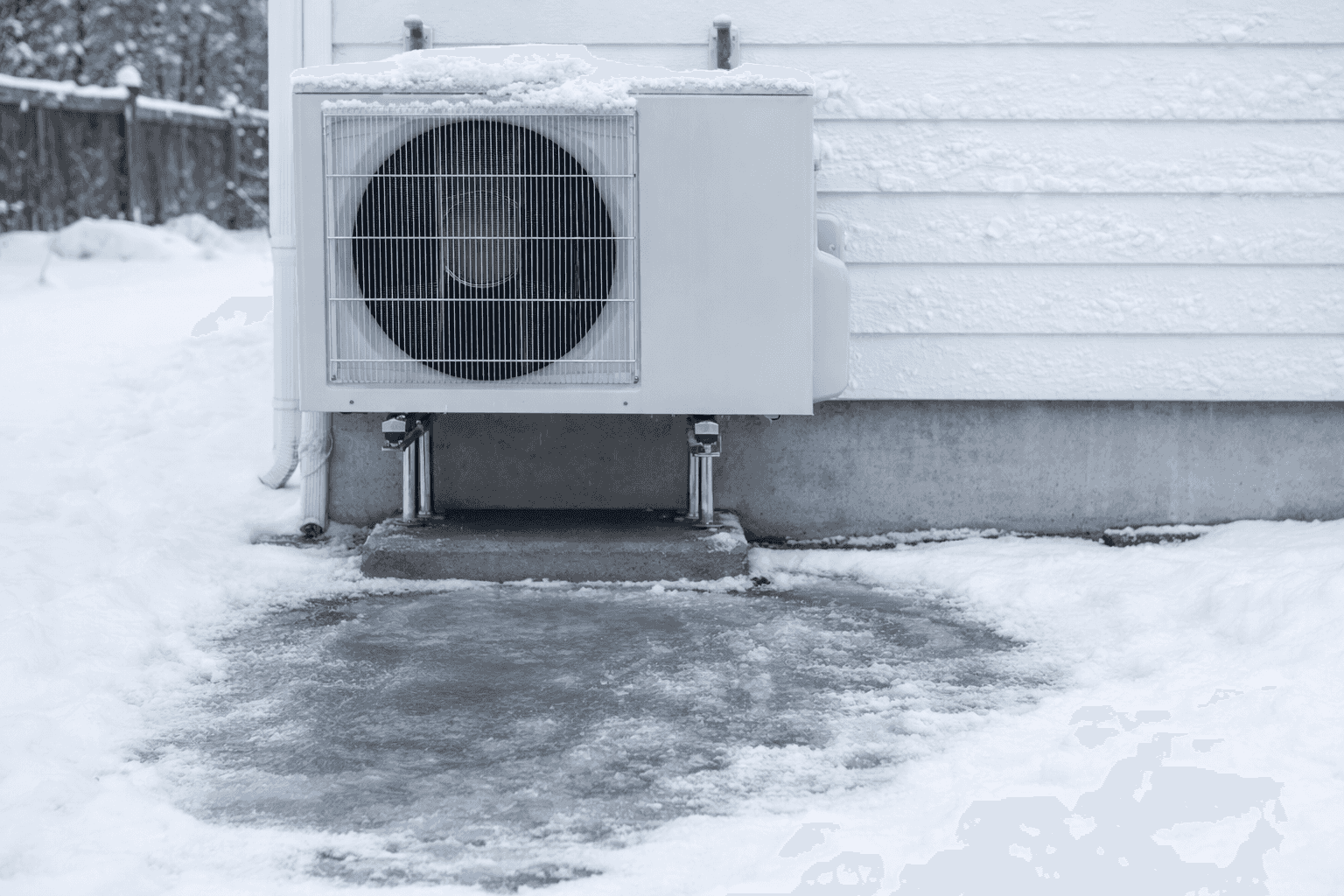
- Keep outdoor units clear of snow, ice, and debris.
Well‑maintained, quality systems can often deliver 15–20 years of service, with the possibility of future refrigerant upgrades or component swaps rather than full replacements.