Where the Gas Is, and What Makes the Pressure Worse
The advisory keeps returning to the interaction between cooling equipment and combustion equipment, so it helps to name both. On the combustion side, the classic backdraft candidate is a gas water heater in a basement mechanical room, along with gas furnaces, fireplaces and wood stoves. Natural Resources Canada notes that these appliances all need combustion air and outdoor venting, and it specifically warns against appliance combinations likely to depressurize a home — its own example pairs a natural-draft furnace with a range-top exhaust fan.
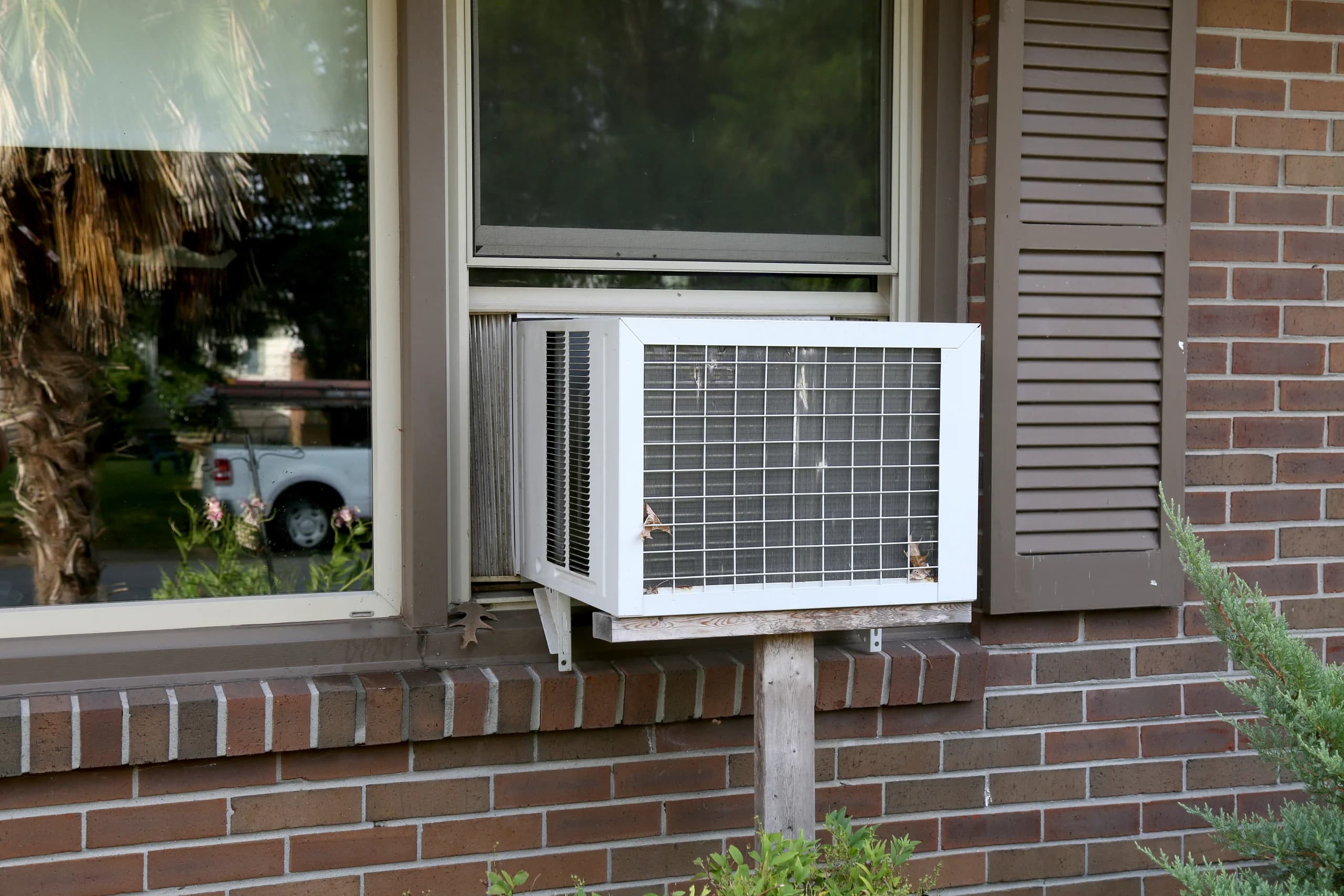
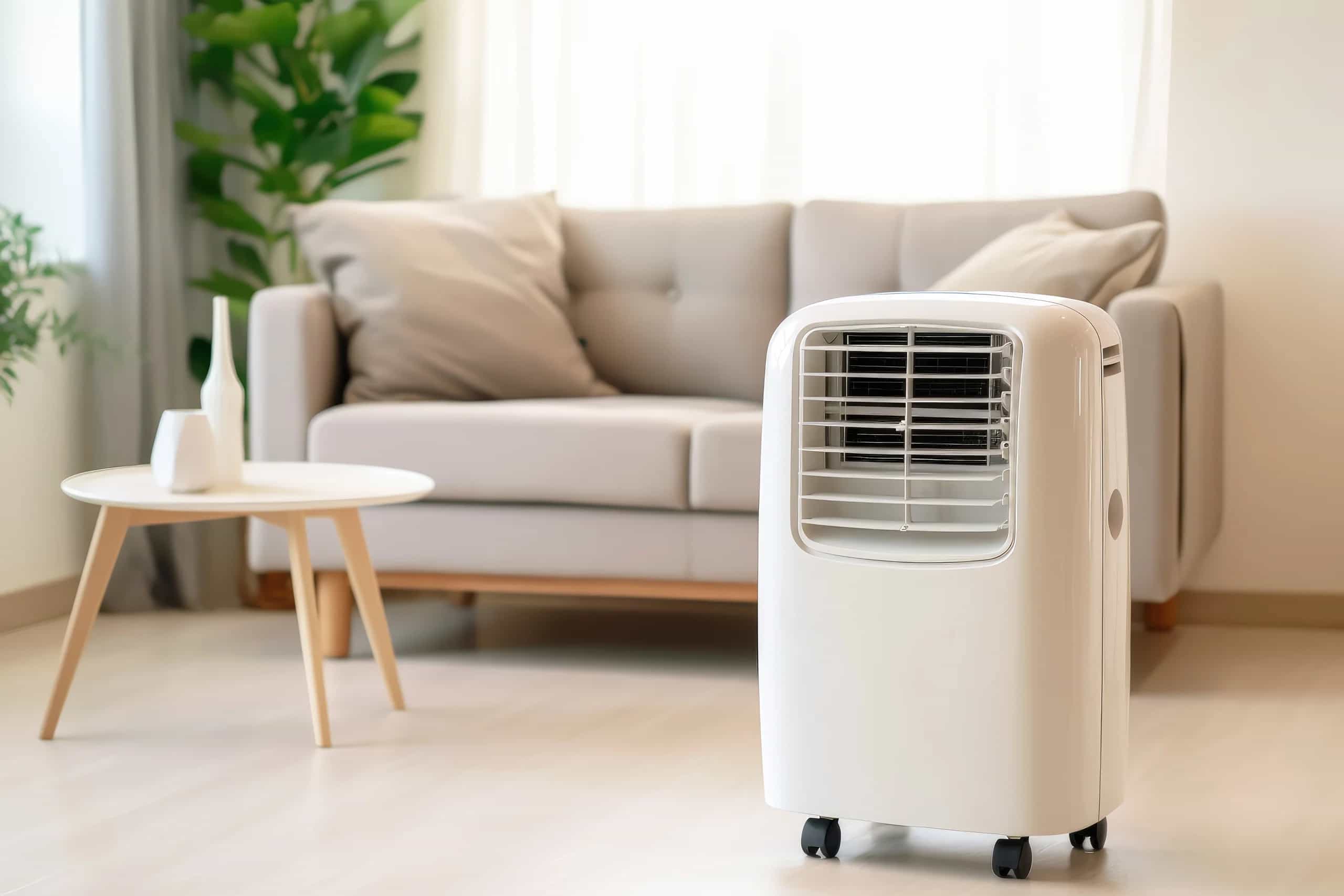
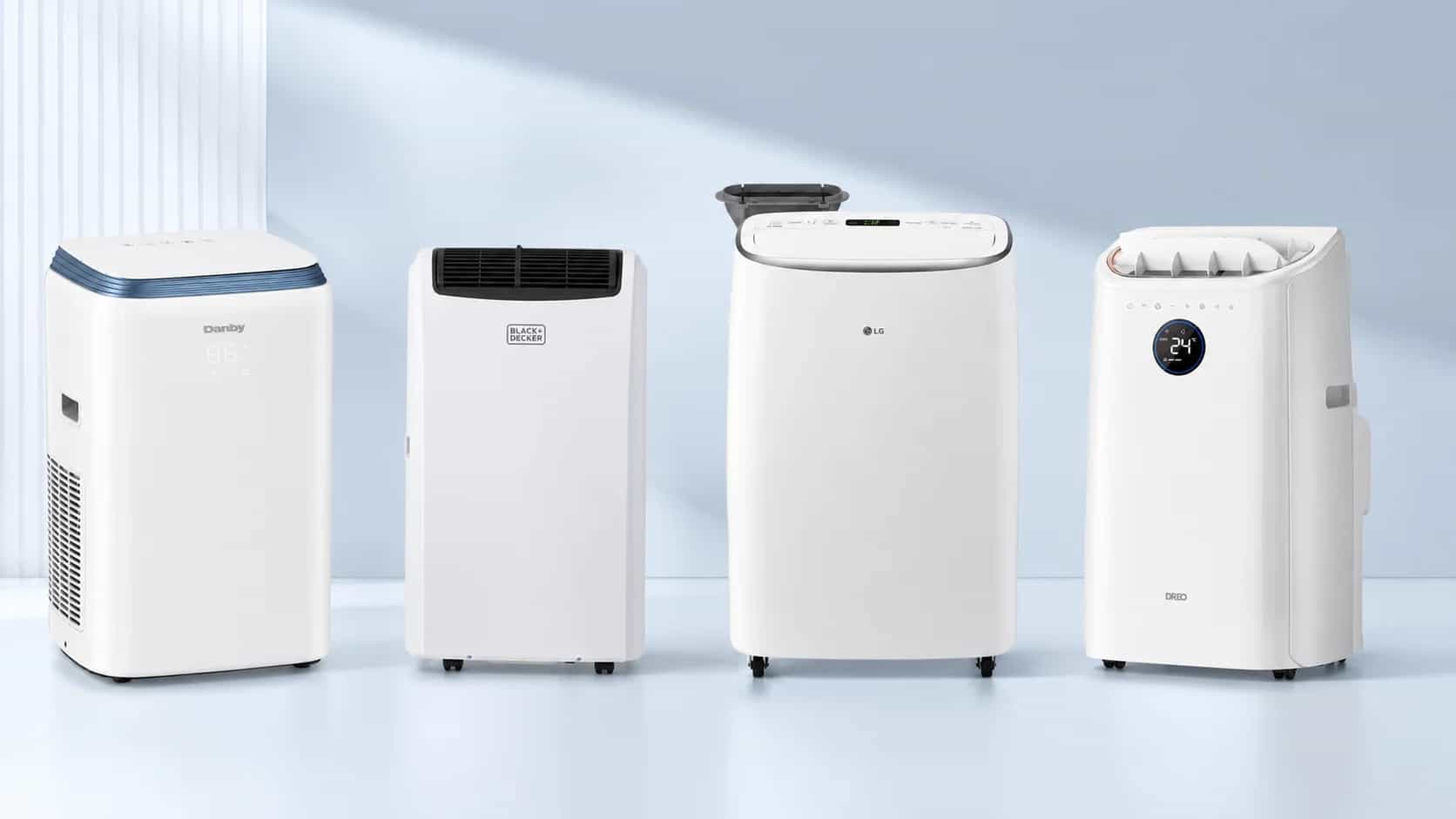
That points to the behaviour half of the equation. SaskEnergy warned against running bathroom or kitchen exhaust fans in the same room as an air conditioning unit, because those fans stack more exhaust onto an already negative-pressure space. A range hood pulling hundreds of cubic feet a minute, a bathroom fan running through a humid evening, and a portable AC venting out a window — each is harmless alone, but together they can tip a tight room well past that five-pascal line.
None of this requires a defect. That is the uncomfortable part of the physics: the water heater is fine, the AC is fine, the range hood is fine, and the combination is still capable of moving combustion gases into the room where people are sleeping. It is a systems problem, which is why SaskEnergy frames it as a household-safety advisory about how home systems interact — not a recall of any single product. The mechanical room where these appliances live is worth a broader look, too; it tends to concentrate the kind of risks covered in our room-by-room check of hidden fire hazards.