Health Canada Expands RA-81923 as Electronic Start Button Triggers Carbon Monoxide Risk

Credit: Homeowner.ca
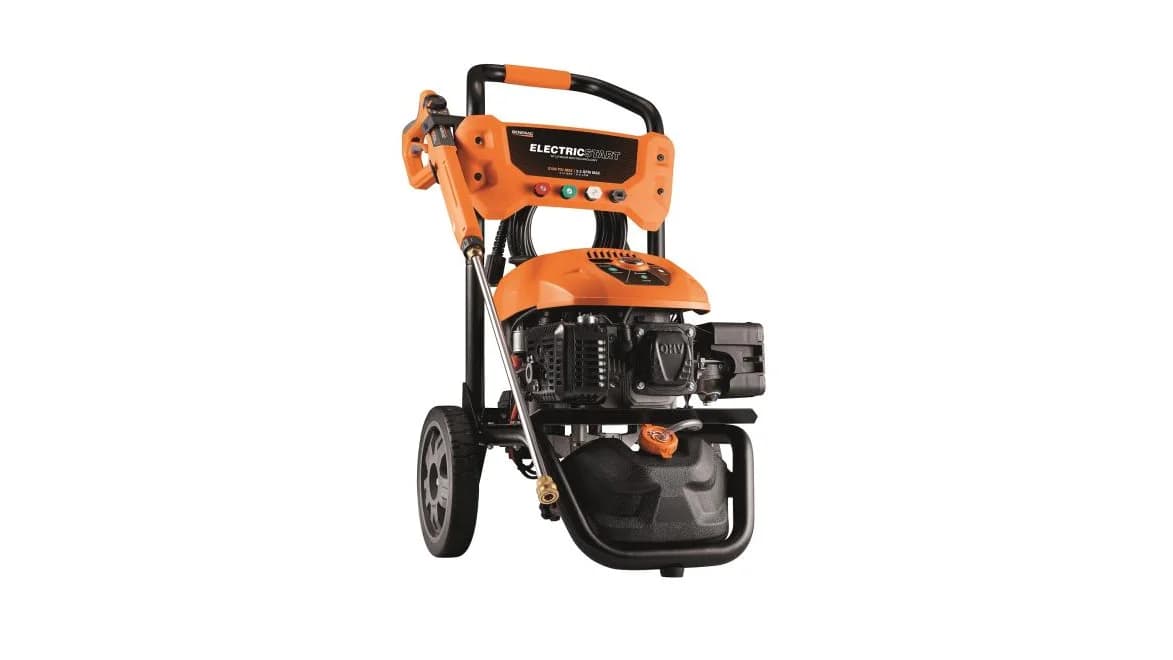
Most product recalls turn on a defect you can see — a frayed wire, a sharp edge, a battery that swells. The Generac recall expanded by Health Canada on May 14, 2026 turns on something the owner cannot see at all: a pressure washer that starts itself. According to the Health Canada recall notice, the electronic start/stop button on two Generac models can malfunction, firing up the gasoline engine without anyone touching the unit.
The Canadian footprint is small. The hazard is not. Spring is peak pressure washer season, and many Canadians store these machines in attached garages or sheds — the exact environments where a running gas engine accumulates carbon monoxide fastest. The fact that no Canadian incidents have been reported yet should not be read as reassurance. It should be read as a window to act before the math catches up.
This piece walks through what was recalled, why a self-starting engine is the central concern, and the specific steps affected owners — and any homeowner storing gas-powered equipment indoors — should take this week.
The expanded notice covers two Generac models: G0088941 (3125 CON GAS PW ES CARB EPA3) and G0088951 (3125 CON GAS PW ES SPEEDWASH CARB EPA3). Both are electric-start variants of Generac's gas-powered consumer pressure washer line. The recall carries identifier RA-81923, with an original recall date of April 30, 2026 and a publication update on May 14, 2026 expanding the scope.
Sales volumes are asymmetric across the border. Generac sold roughly 16,259 affected units in the United States and 121 in Canada between February 8, 2022 and November 14, 2024. As of May 13, 2026, Generac has logged six U.S. reports of the pressure washers self-starting and operating without being connected to a water supply, with no injuries or property damage reported. Canada has zero reported incidents — for now.
The recall is a joint action by Health Canada, the U.S. Consumer Product Safety Commission, and Generac Power Systems, Inc. of Waukesha, Wisconsin, where the units were manufactured. That coordination matters: it means the malfunction has been confirmed on both sides of the border, and the remedy pipeline is the same.
The hazard is mechanical, but the consequences are atmospheric. The electronic start/stop button — the convenience feature that lets owners skip pull-starting the engine — can fail closed, signalling the engine to start on its own. The pressure washer can then run unattended. In an open driveway, that is a nuisance. In a closed garage with the door down, it becomes a carbon monoxide event measured in minutes, not hours.

Carbon monoxide is a gas with no smell, taste, or colour, and Health Canada notes that it can only be detected with a carbon monoxide alarm. It is produced whenever fuels such as gasoline burn. Crucially, CO does not stay where it is generated — it migrates through indoor spaces, moving freely from garages and sheds into attached living areas, cottages, and campers.
That is the mechanism that makes a self-starting pressure washer different from other recall hazards. A toaster that overheats stays in the kitchen. A pressure washer that starts itself in an attached garage delivers its exhaust into the rest of the house through every seam, vent, and door gap. Occupants get no sensory warning. Exposure to high CO levels can progress from dizziness, chest pain, and difficulty thinking to loss of consciousness, coma, and death. A U.S. occupational case cited by public health authorities documented a farm owner dying after roughly 30 minutes of using an 11-horsepower gasoline-powered pressure washer inside a barn. Thirty minutes.
Even before this recall, the country's CO guidance was unambiguous about gas tools in enclosed spaces. Health Canada's carbon monoxide prevention guidance explicitly says never to operate fuel-burning generators in a garage or shed, and never to run gas-powered equipment such as lawnmowers, snowblowers, or trimmers in those spaces either.
The provinces echo that posture. Ontario's carbon monoxide safety guidance reports that more than 65% of CO-related injuries and deaths in the province occur in the home, and requires CO alarms in any house with fuel-burning appliances or an attached garage. The Ontario Ministry of Labour has separately documented a fatal CO incident involving workers using gasoline-powered pressure washers in poorly ventilated underground parking — one death and seven additional poisonings from a single 2014 event. Quebec's prevention guidance flags gas tools in garages and sheds by name as a recognized CO poisoning trigger.
In other words: the regulators were already warning about the exact scenario this defect creates. The recall closes the gap between owner intent ("I would never run this in my closed garage") and what the machine can now do on its own.
A 121-unit Canadian distribution looks reassuring next to 16,259 in the U.S. It should not be read that way. The hazard is binary at the unit level — one machine in one closed garage is enough — and the malfunction has been observed six times in the U.S. fleet. The Canadian fleet is small, but it is in active use during the spring season the recall happened to land on. The math says affected owners should treat the risk as personal, not statistical.
The action sequence Health Canada has set is straightforward. Owners should immediately stop using the recalled units and contact Generac to arrange a free repair at a dealer's location. Generac runs a dedicated recall line at 1-800-396-9047 (8:30 a.m. to 5 p.m. Central Time, Monday to Friday) and has posted serial-number lookup tools at generac.com under "Important Recall Information" or at the dedicated pressure washer recall page.
A practical sequence:
Under the Canada Consumer Product Safety Act, recalled products may not be redistributed, sold, or given away in Canada — even if the new owner is told about the defect. Affected pressure washers must be repaired through Generac, not handed off through a marketplace or a neighbour.
If a Canadian unit self-starts or shows symptoms of the defect, owners can file a Consumer Product Incident Report through Health Canada's online form. That data feeds the regulator's monitoring and is one of the few ways the Canadian incident count climbs from zero in the official tally — which matters for follow-on enforcement.
The Generac defect is unusual — most pressure washer recalls involve hoses, wands, or electrical components, not autonomous engine starts. But the failure mode it surfaces is generalizable. Any gas-powered tool stored in or near an attached garage can fail in a way that produces carbon monoxide without a human in the loop: a stuck throttle, a wiring fault, a remote-start feature that misfires. The defence is the same in every case — a working, certified carbon monoxide alarm placed where it will actually hear the problem.
Health Canada's CO alarm guidance recommends that homes with combustion appliances or equipment install at least one CO alarm with battery backup. The most important placement is the hallway outside sleeping areas, with alarms certified to recognized Canadian safety standards. Ontario's updated home CO alarm requirements go further, mandating alarms in any home with fuel-burning appliances, fireplaces, or attached garages, in specified locations including near sleeping zones and close to potential CO sources.
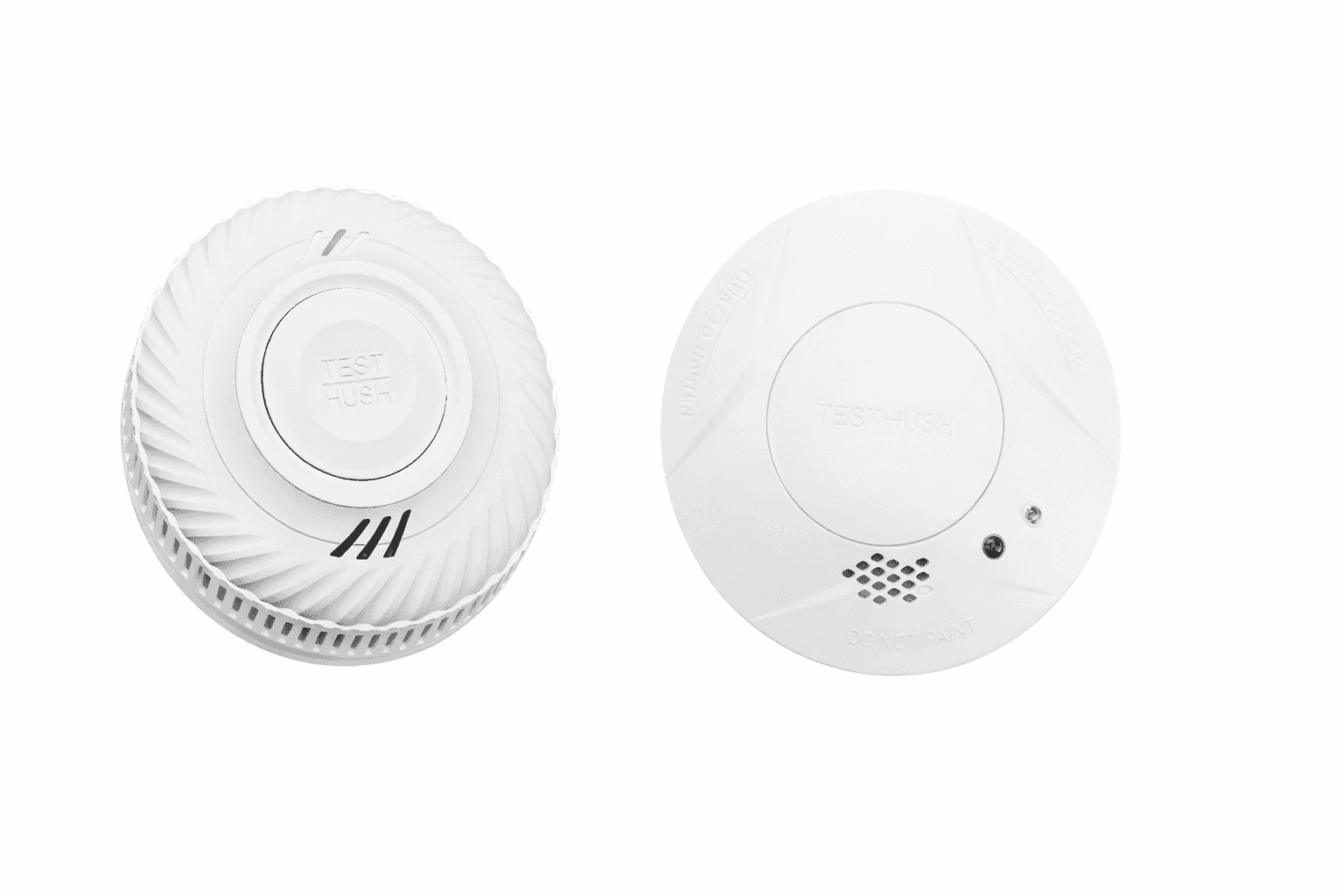
This recall lands in the middle of a separate, ongoing safety story Homeowner.ca has been tracking: a cluster of uncertified smoke and CO alarms reaching Canadian homes through online marketplaces. The recent recall of three uncertified smoke and CO alarms in a single day shows how easily unverified detectors slip past the certification regime. A defective alarm protecting against a defective pressure washer is two failures stacked together, with one outcome.
Spring is when pressure washers come out of winter storage — and often back into garages between weekend uses. For owners of any gas-powered cleaning or yard equipment, not only the recalled Generac units, the recall is a reasonable trigger to revisit storage practices: keep gas equipment in detached structures where possible, treat any attached garage as living space when fuel-burning tools are present, and confirm CO alarms are functional before the season's first long weekend.
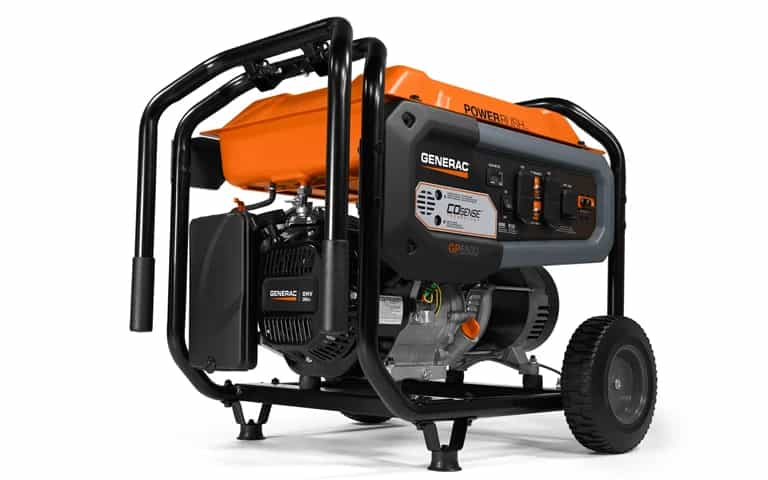
Generac is also the same manufacturer behind a separate recall of portable generators in Canada over a fuel leak fire hazard. Different defect, same season, overlapping owner base. Worth a model-number check across all Generac equipment in the garage.
About the Author
Ryan is the founder of Homeowner.ca and a proud Canadian homeowner based in Guelph, Ontario. Over his 25-year career in digital publishing, he has focused on transforming complex information into clear, practical guidance that helps people make confident, well-informed decisions.