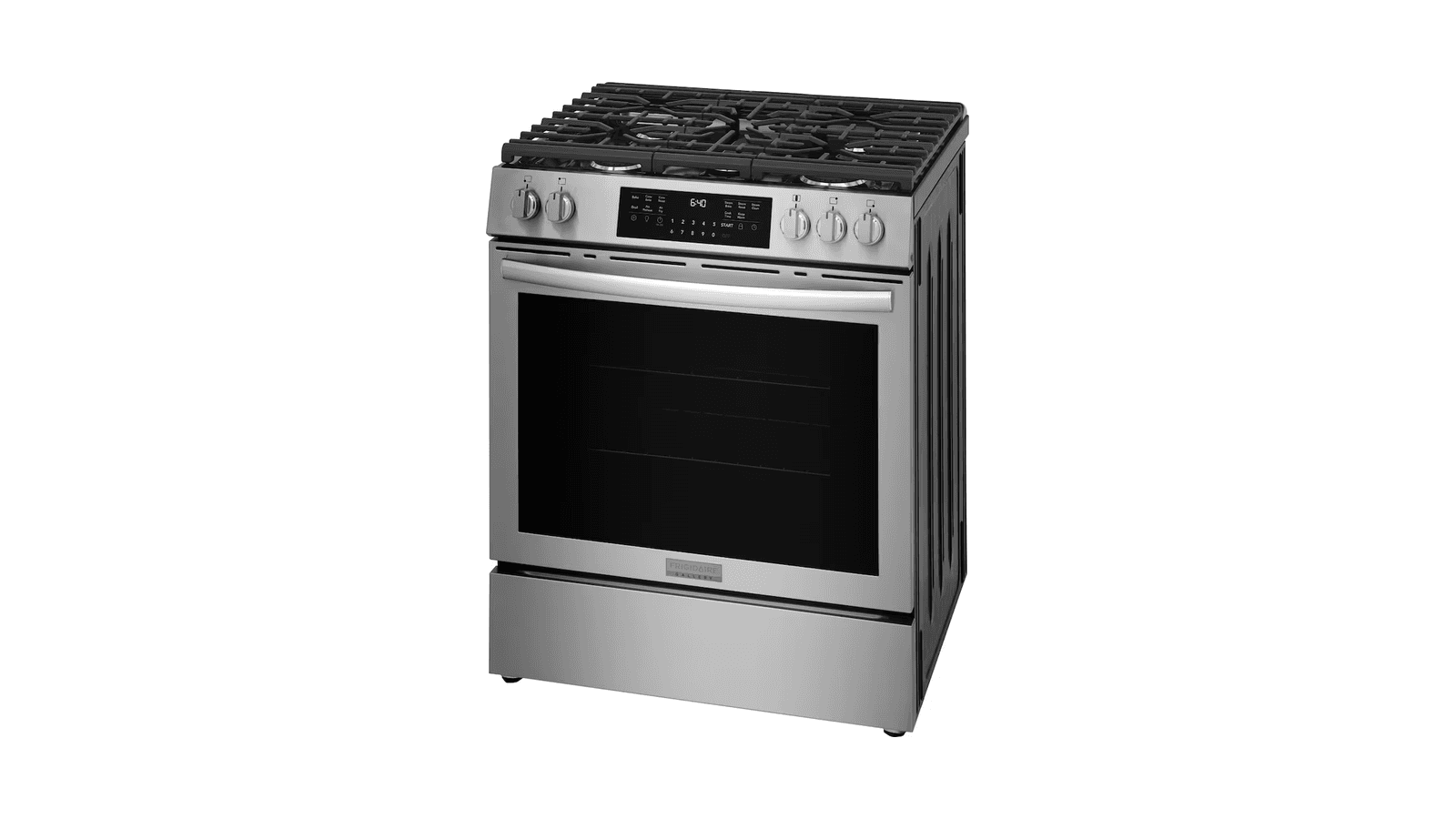
How Delayed Ignition Can Show Up In A Home Kitchen
Not everyone will experience the same symptoms, and you don’t need to become your own appliance tech to take the recall seriously. The goal here is simply recognition—so you don’t ignore a pattern that matches the hazard described.
A consumer-oriented description from KitchenAid’s guidance on gas odours and ignition issues can help translate “delayed ignition” into what homeowners sometimes notice day-to-day: ignition that takes longer than normal, repeated clicking, a brief gas smell before lighting, or a burner that doesn’t ignite reliably.
If any of those signs line up with your experience—especially around oven use—default to the recall instructions (stop using the oven and book the fix), rather than trying to “work around” it by changing how you preheat, re-trying ignition, or leaving the door open.
When To Stop Everything And Call For Help
The recall remedy is the right path for affected units—but certain situations should be treated as urgent, even if you’re already planning to schedule the repair.
If you smell gas strongly or persistently:
Guidance from FortisBC’s gas leak and odour safety instructions is straightforward: leave the area and call for help, because the “rotten egg” odour can signal a dangerous gas leak situation. In practical terms, don’t keep operating the appliance, don’t try to “air it out” while continuing to cook, and don’t assume it’s harmless because the smell goes away.
Other “don’t wait” triggers:
- You see or feel a flare/flash at ignition that seems unusually forceful.
- The oven repeatedly fails to ignite, or ignition behaviour changes suddenly.
- Anyone experiences symptoms that could suggest poor indoor air quality during operation (headaches, dizziness, nausea). These symptoms can have many causes, but they’re a strong reason to stop using the appliance and get professional help.