What To Do Now If You Bought e‑NRG Bioethanol Fuel
If you think you may have this fuel, the goal is to move from “I saw a recall headline” to “I know whether I’m affected, and I’ve handled it safely.”
Start with identification, not guesswork
Use these quick checks to decide whether you should treat what you have as part of the recall:
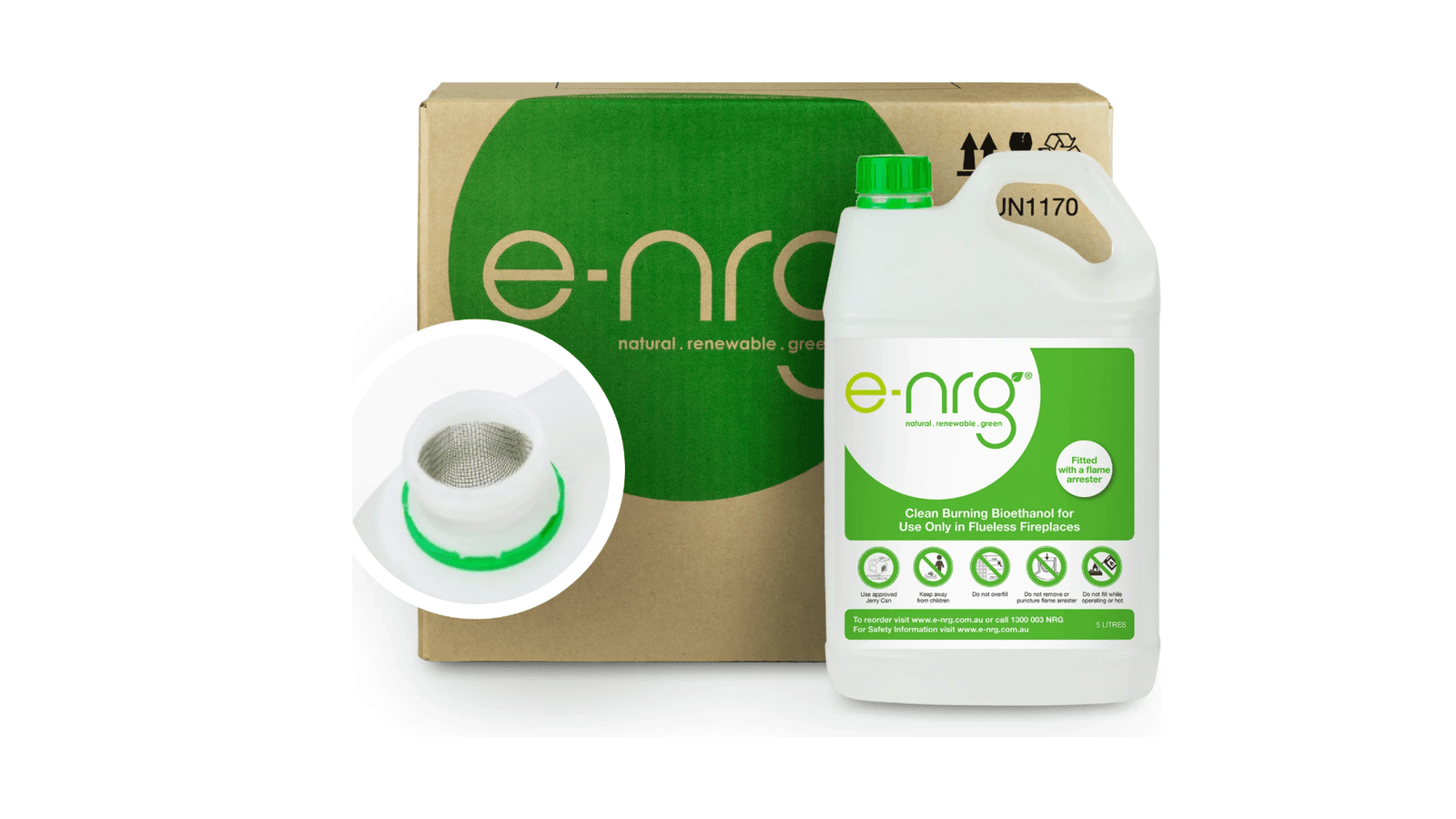
- Confirm the brand and size: Look for e‑NRG bioethanol fuel in a 1‑gallon container.
- Think in dates, not memory: If you bought bioethanol fuel in Canada any time from 2020 through 2025, treat it as worth verifying—especially if it was purchased before October 2025.
- Check where you bought it: Purchases from Canadian Tire, Home Hardware, Luxury Fire Canada, and the other sellers listed in the notice are the highest-probability matches.
- When in doubt, verify through the seller: The recall notice provides retailer contact paths (phone/email) so you can confirm whether your purchase is included and what remedy is being offered.
Follow the “stop use + proper disposal” logic
Even if your fireplace is currently stored away for the season, treat the container as the key risk item:
- Stop using the fuel immediately (don’t pour “just one more burn”).
- Store it safely while you arrange next steps—away from heat sources and out of reach of children and pets.
- Dispose of any remaining product according to your municipality’s hazardous waste guidelines (this is not a “pour it out and rinse the jug” situation).
- Don’t sell, give away, or donate recalled fuel. The point of a recall is to remove the product from use, not move it to another household.
If you experienced a flare-up, unexpected ignition, or any refuelling incident—whether or not it caused injury—reporting it through official channels helps build the data picture that drives enforcement and future recalls. A 2019 Health Canada warning about pourable alcohol‑based fuel containers shows this isn’t a new concern; it’s an area where the regulator has been actively trying to reduce severe burn risks for years.
A practical insurance check (informational, not legal advice)
If you use decorative fuel products—especially indoors—this recall is a good trigger to tighten up your documentation and ask better questions before an incident ever happens.
What to document (takes 10 minutes, can matter later):
- Photos of your decorative fireplace/firepot and any labels/brand markings
- Photos of the fuel container(s) you keep on hand
- Receipts/order confirmations (email search terms like “bioethanol,” “ethanol fuel,” “e‑NRG,” “fireplace fuel”)
- A saved PDF/screenshot of the recall notice
What to ask your insurer (calm, specific questions):
- If a fire starts due to a portable decorative fuel product, is it treated like other accidental fires under my policy?
- Are there exclusions related to misuse, storage of flammable liquids, or use of unapproved devices?
- If an incident happens outdoors (deck/patio) and spreads, how does that typically get handled?
- What documentation do you want if the cause involves a recalled consumer product?
On the general topic of fire coverage, the Insurance Bureau of Canada notes that standard home insurance policies generally cover damage caused by fire regardless of the source or cause, except where the insured intentionally caused the fire, while also emphasizing that every policy is a legal contract and details vary. In other words: don’t assume a decorative-fireplace scenario is “obviously covered” or “obviously denied”—use this recall as a prompt to confirm your own policy language and expectations.
Finally, if you own one of these fuel containers, the most “homeowner” takeaway is simple: treat the fuel container as part of the safety system. This recall isn’t about décor trends—it’s about a refuelling-stage hazard that can move faster than people can react, and it’s exactly the kind of low-frequency, high-severity risk that’s worth addressing decisively.