A May 8 Consumer Product Advisory Tells Canadian Households to Stop Using and Replace a Combined Smoke, Combustible Gas, and Carbon Monoxide Alarm Sold Through Amazon.ca

Credit: Homeowner.ca
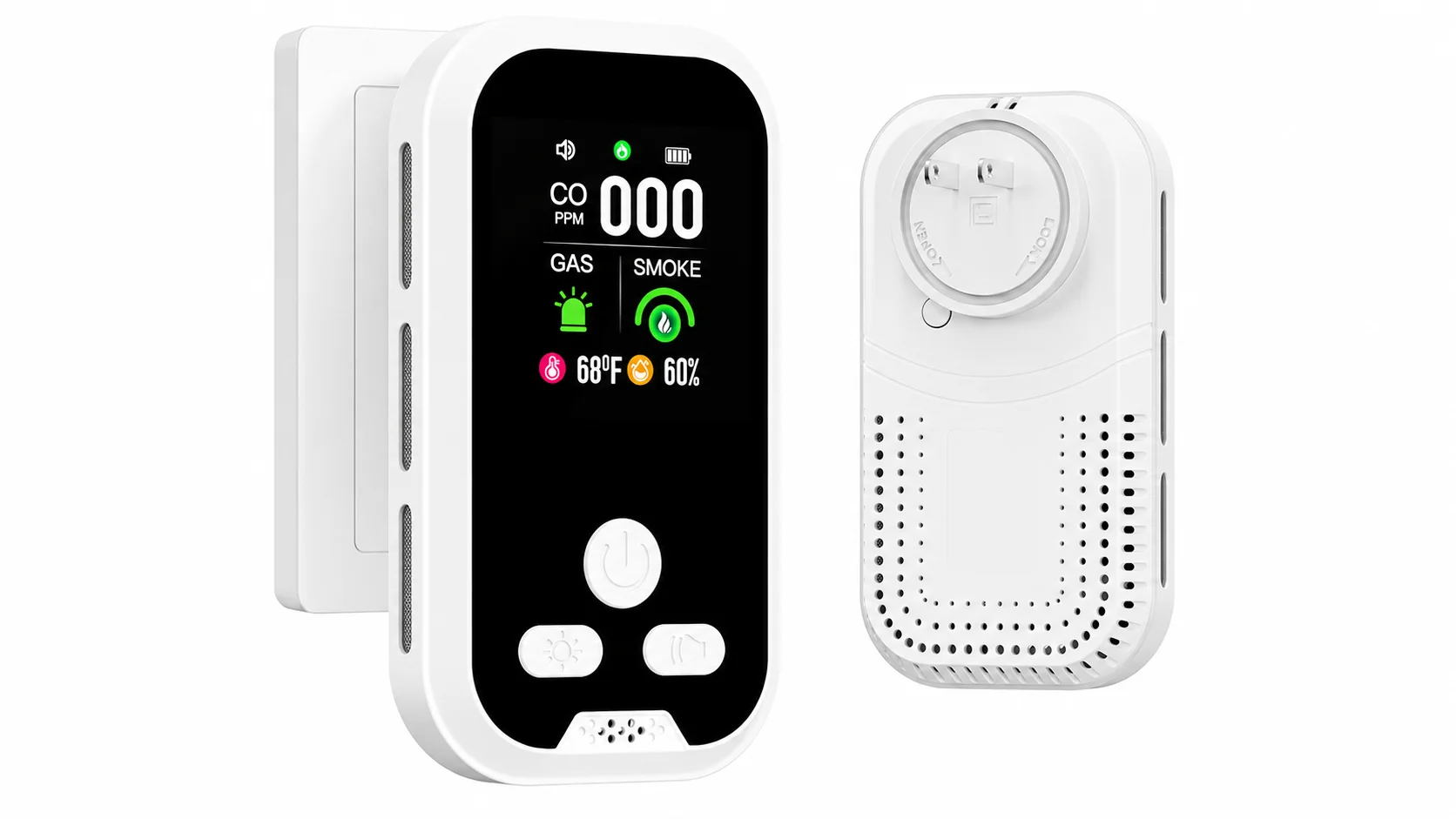
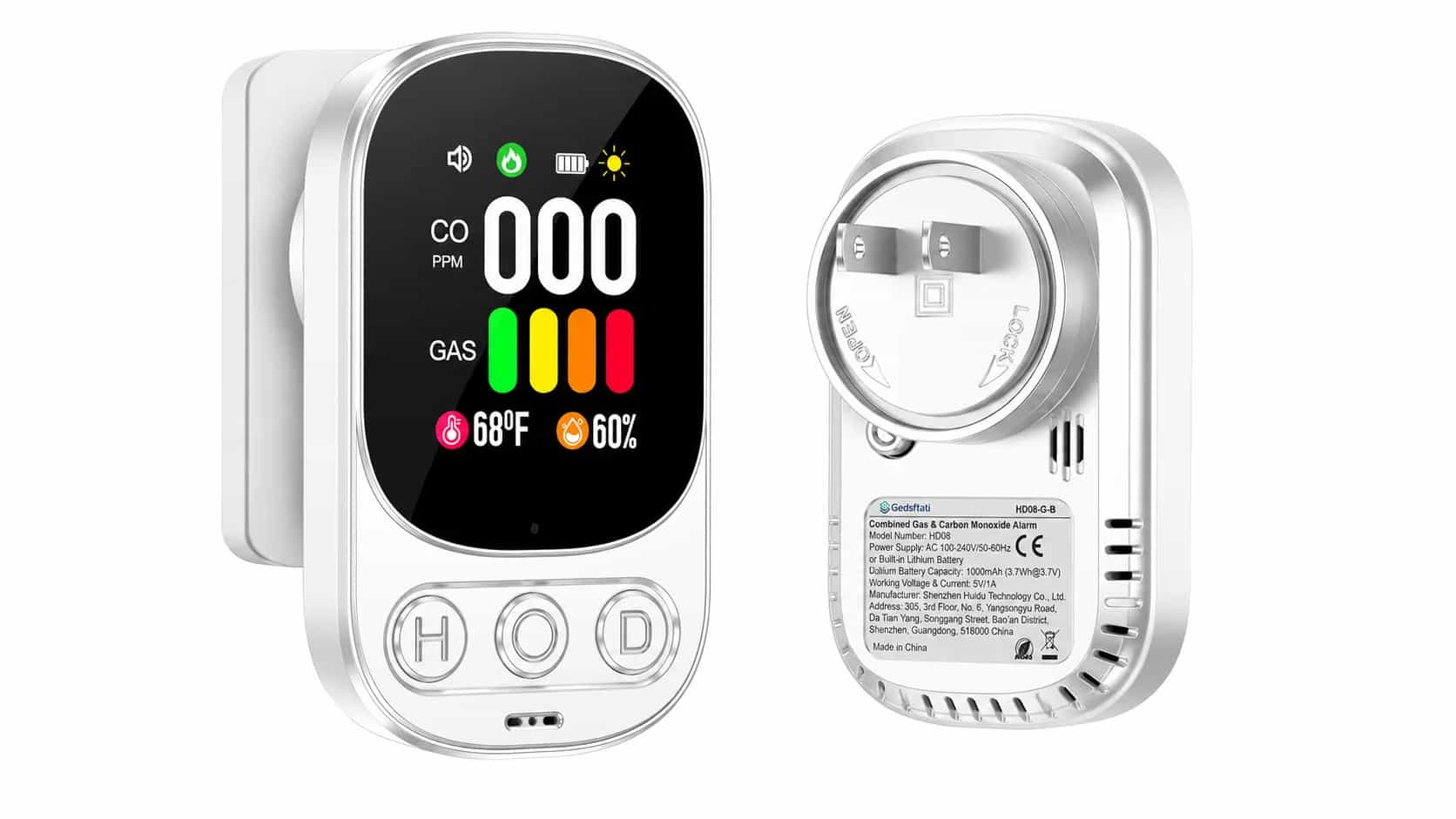
On May 8, Health Canada issued a consumer product advisory warning that the IQYEF Combined Smoke, Combustible Gas and Carbon Monoxide Alarm — sold through Amazon.ca and now removed from listing — may fail to detect the very hazards it is built to monitor. Health Canada's sampling determined the alarm carries no Canadian certification mark and may not meet the Residential Detectors Regulations. The fix is direct: stop using it, dispose of it, and replace it with a certified unit.
Two details make this case different from the cluster of uncertified-alarm warnings Canadian regulators have issued in recent weeks. First, the IQYEF unit is a triple-detector — built for households with natural gas or propane heat that need combustible-gas monitoring on top of smoke and carbon monoxide detection. A failure here is not just a missed fire signal. It is a missed gas-leak signal in homes that may have no other fixed gas detection installed. Second, the foreign distributor refused to cooperate with a voluntary recall, which is why Health Canada has issued an advisory rather than a formal recall — and why Amazon.ca buyers cannot assume they will receive direct notification.
This piece walks through what Health Canada said, how to identify the affected unit, why the triple-detector profile matters, what "advisory" means in this context, and the replacement principle Canadian households should apply.

The Health Canada IQYEF advisory (May 8, 2026) gives consumers a three-step instruction set:
Health Canada's testing found the alarm may not operate when smoke, combustible gas, or carbon monoxide is present — meaning the device cannot be trusted as a backup or temporary protection while a replacement is sourced. The point is not "use it cautiously." The point is "treat the home as currently unmonitored for these hazards until a certified replacement is installed."
If this is the only smoke, gas, or CO alarm protecting any room or floor of your home, install a certified replacement before disposing of the IQYEF unit. Households should never go without smoke and CO detection, particularly in sleeping areas.
The advisory identifies two model numbers — HD11 and HD11-CGS — printed on both the original packaging and on a label affixed to the back of the alarm. Buyers who purchased a combined smoke, combustible gas, and CO alarm through Amazon.ca and cannot immediately tell whether their device is included should pull it down and check the rear label.
The distributor named in the advisory is IQYEF LLC (Quanzhou, Fujian, China); the manufacturer is Shenzhen Huidu Technology Co., Ltd. (Shenzhen, Guangdong, China). Neither has a Canadian retail presence, which is part of why Health Canada's reach to compel a voluntary recall was limited. The product listing has been removed from Amazon.ca, but units already shipped to Canadian homes remain in service unless owners take them down. The broader rules on detector placement and overlap, including which floors and rooms require a certified alarm, are summarized in Homeowner.ca's hub on CO and smoke detector placement under Canadian safety standards.
Most household alarms are single-purpose — a smoke alarm or a CO alarm — and many homes layer them as separate devices. A combined triple-detector consolidates three life-safety functions into one unit: smoke detection, combustible gas detection (typically natural gas or propane), and carbon monoxide detection. The selling point is fewer devices to install and maintain. The risk profile is concentration: when the unit fails, three protections fail at once.
For a home heated by natural gas or propane, the combustible-gas channel is doing work that a separate smoke or CO alarm cannot replace. Carbon monoxide, by contrast, is colourless, odourless, and undetectable to occupants without a working alarm — Health Canada's standing carbon-monoxide guidance reinforces that point and recommends every home with combustion appliances install at least one CO alarm with battery backup. Practical CO context for households is collected in Homeowner.ca's reference on 15 carbon monoxide safety facts every Canadian homeowner should know.
The combustible-gas function matters in a different way. Natural gas is odourised so leaks are usually noticeable, but propane and natural gas concentrations can rise in basements, mechanical rooms, and confined spaces faster than smell alone reliably catches. A purpose-built gas detector adds an automatic warning. When a triple-detector fails silently, that warning disappears.
Health Canada distinguishes between two kinds of safety notices on its Learn About Safety Alerts page. A consumer product recall is a formal, manufacturer- or distributor-led action to remove a product from market because it is considered a danger to human health or safety. A consumer product advisory is a public warning issued by Health Canada when a product use or exposure could pose a health risk — including for unauthorized products where a formal recall may not be in place.
In the IQYEF case, the distinction is operational. Amazon.ca reported the unit count to Health Canada and removed the listing, but the foreign distributor was unresponsive to voluntary-recall requests. Without a recall, there is no defined process by which the seller emails or messages affected buyers. Consumers who bought through Amazon.ca may receive a notification through the platform — and may not. The safest default is to act on the advisory directly, not to wait for a retailer email.
For a regulatory context on what alarms Canadian homes are required to have in the first place, Ontario's 2026 CO alarm requirements sets out the legal baseline that a non-functioning IQYEF unit may, in some Ontario homes, be the only thing standing between compliance and a code violation.
Health Canada's standing guidance — laid out in its advisory on looking for a Canadian certification mark when purchasing smoke or CO alarms — is that any smoke or CO alarm sold for use in a Canadian home should bear a recognized Canadian certification mark printed directly on the device, not only on the packaging or the product listing. Marks are issued by laboratories accredited by the Standards Council of Canada and signal that the device has been tested against Canadian standards.
The four most common marks to recognize when shopping or auditing an existing alarm:
Two practical checks before purchase, particularly when ordering from an online marketplace:
A more detailed walkthrough of the marketplace red flags and listing details to verify is captured in Homeowner.ca's piece on the compliance details to check when buying smoke or CO alarms online.
The IQYEF advisory is the latest in a string of Health Canada notices on uncertified alarms reaching Canadian homes through online marketplaces. The most recent precedent — a May 7 flagging of another uncertified smoke alarm after 3,588 units sold on Amazon.ca — landed less than 24 hours before the IQYEF notice. Earlier in the cluster, Health Canada flagged a fourth uncertified smoke and CO alarm in late April and recalled three more in a single day on April 18.
The connecting thread is consistent: foreign third-party sellers operating through major online marketplaces, alarms shipped without recognized Canadian certification marks, and — where the seller does not cooperate with a voluntary recall — an advisory rather than a recall. From the household side, the simplest defence does not change with each individual product. It is to treat the certification mark on the alarm itself as the gating check, regardless of brand recognition or marketplace prominence. If the mark is not on the device, the device should not be relied on — even if it is the only one currently mounted on the ceiling.
About the Author
Ryan is the founder of Homeowner.ca and a proud Canadian homeowner based in Guelph, Ontario. Over his 25-year career in digital publishing, he has focused on transforming complex information into clear, practical guidance that helps people make confident, well-informed decisions.