Ionization, Photoelectric, and Dual-Sensor Options Have Tradeoffs
Once compliance is settled, then it makes sense to compare technology types. This order matters because an uncertified dual-sensor alarm is still a bad purchase, while a certified single-sensor alarm may be a strong choice when matched to the space.
Here’s a practical, homeowner-friendly way to think about common smoke alarm technologies:
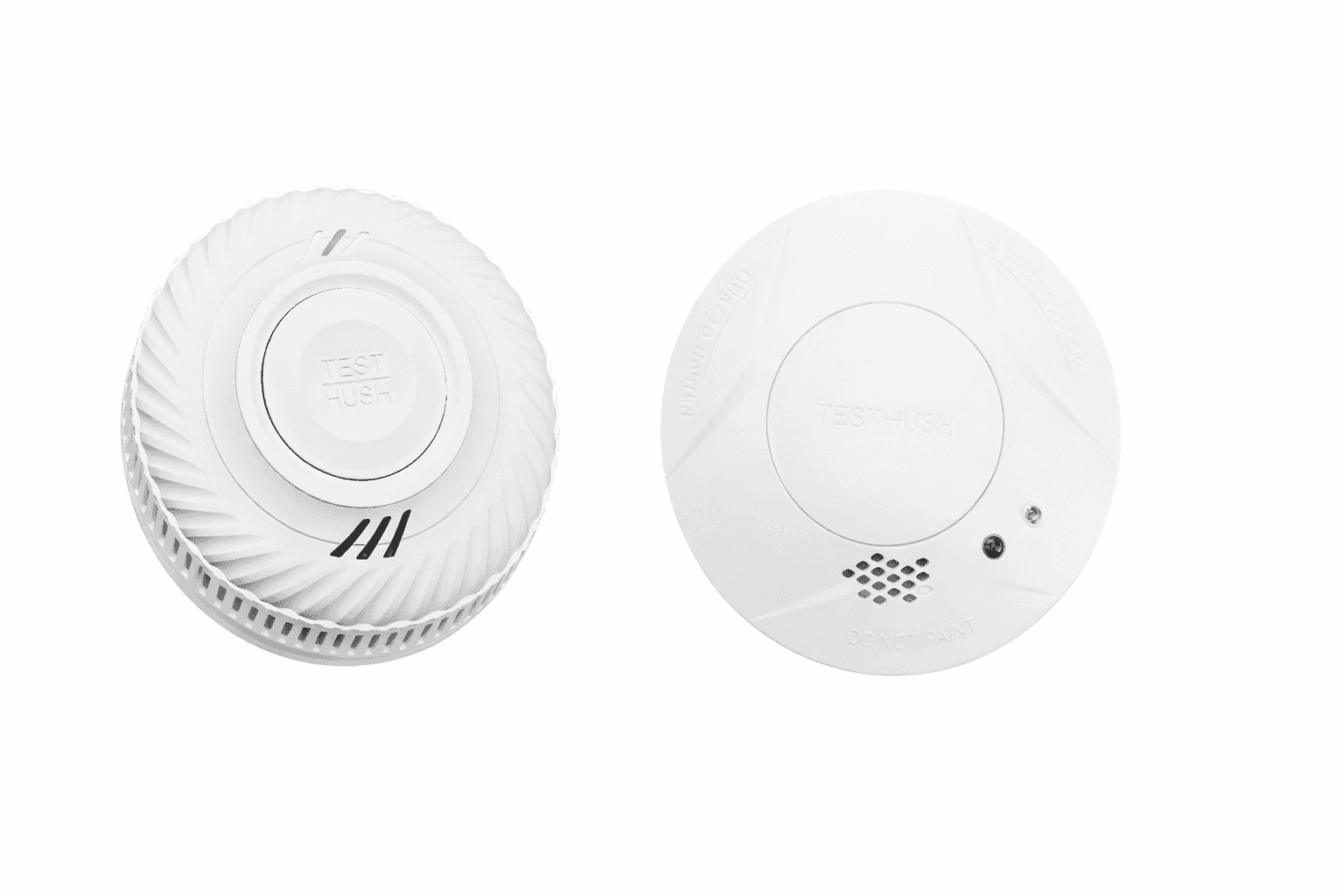
Ionization smoke alarms
These are often associated with responsiveness to certain fast-flaming fire scenarios, but they can also be more prone to nuisance alarms in some real-world conditions (like cooking aerosols). If you’re buying ionization-based units, pay extra attention to placement guidance in the manual so you don’t “train” your household to ignore alarms.
Photoelectric smoke alarms
These are often discussed in the context of reducing nuisance alarms in certain environments and responding well to smouldering smoke conditions. They can be a good fit for areas where nuisance alarms would lead to frequent disabling.
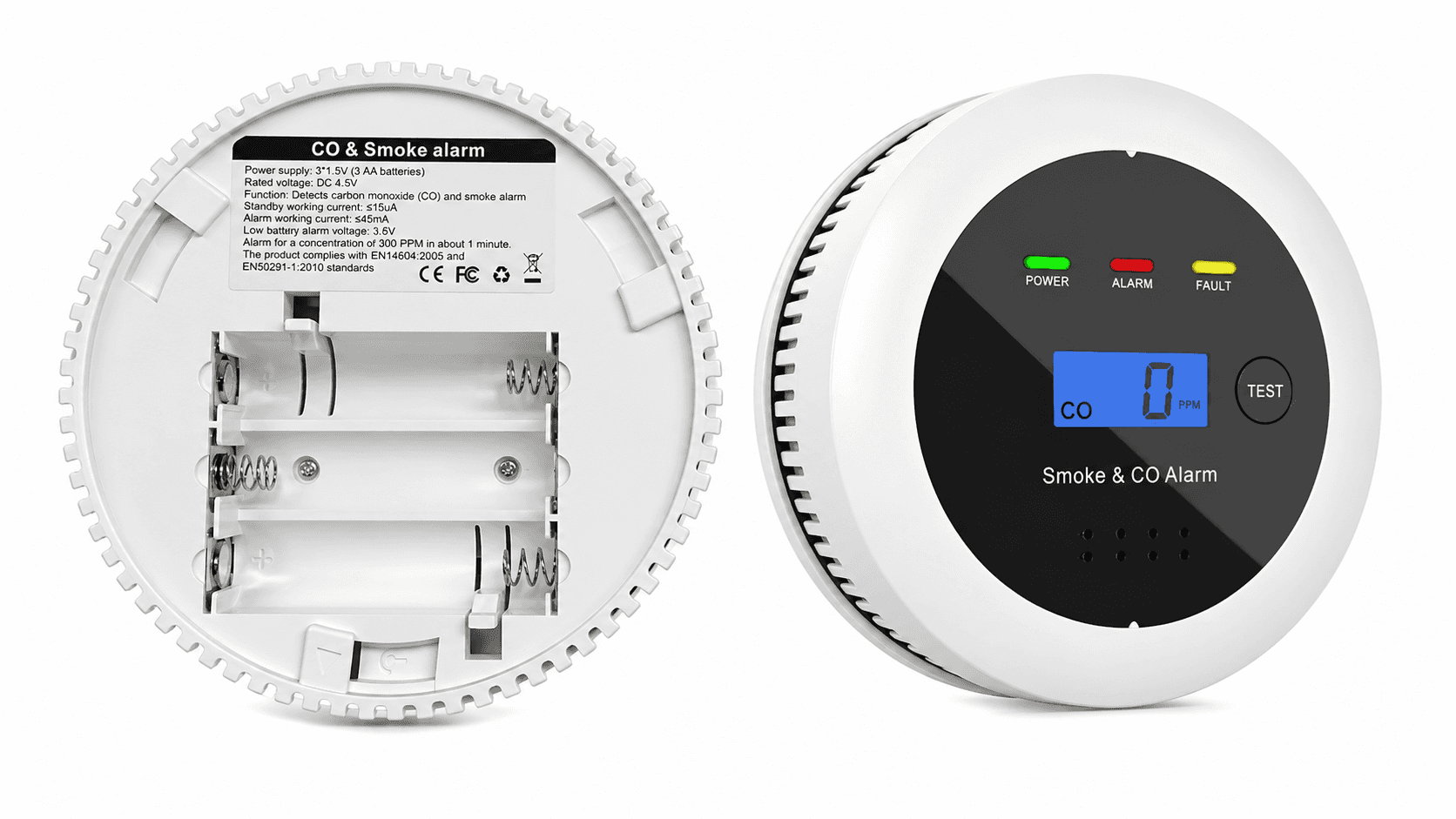
Dual-sensor or multi-criteria alarms
These aim to broaden detection performance across different fire types. The tradeoff is complexity and cost, so the best value is often tied to the quality of documentation, clear model identification, and a credible retailer relationship.
Rather than chasing “the best technology,” focus on:
- Where the alarm will be installed
- How likely nuisance alarms are in that location
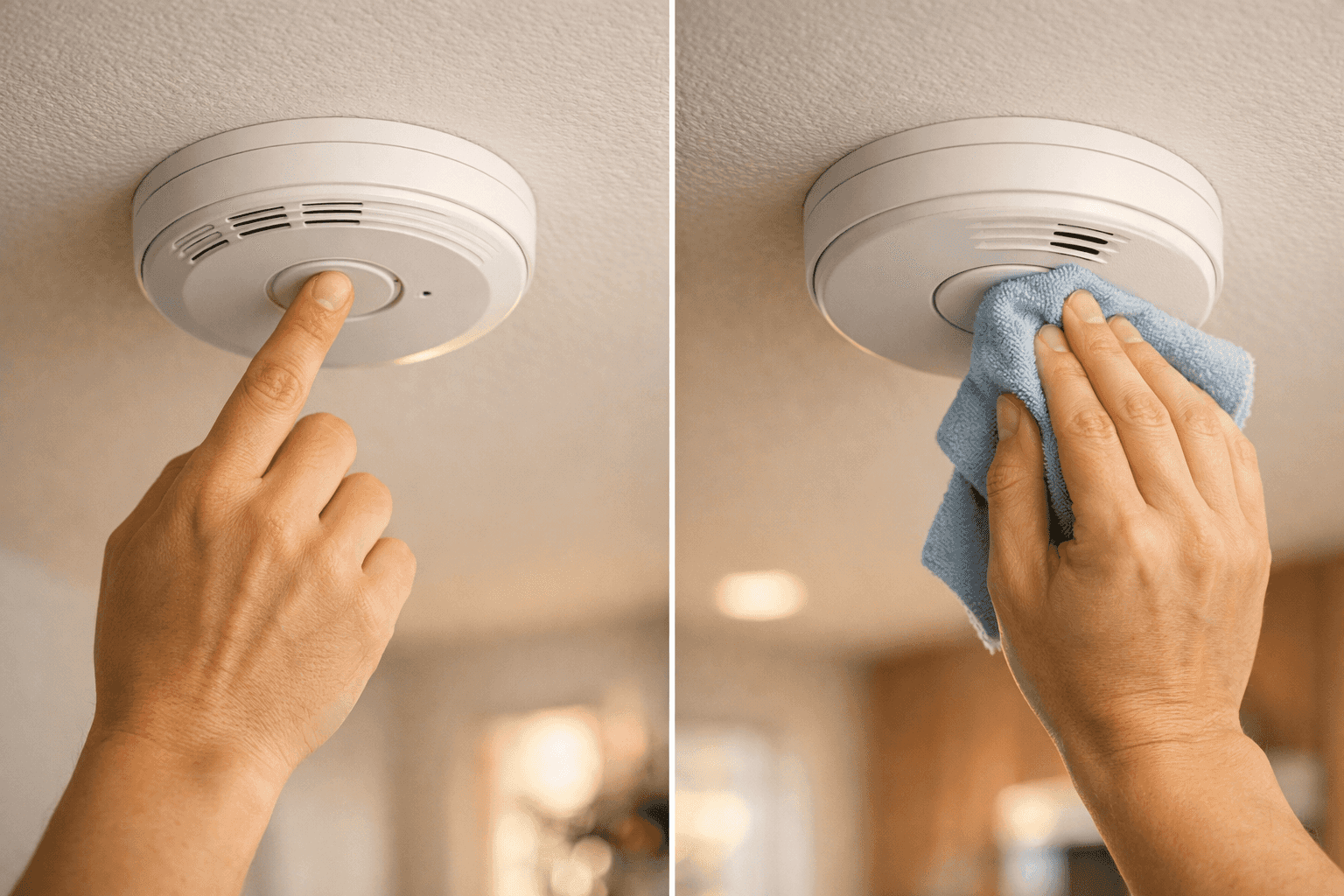
- Whether household members will maintain and test the device
A well-chosen, properly installed, and properly maintained alarm is more protective than a “premium” model that ends up disabled because it’s annoying.
If your household has a history of silencing alarms during cooking, prioritize models and placement strategies that reduce nuisance triggers—because an alarm you don’t trust is an alarm you won’t keep active.