What The Gedsffati Recall Says About Buying Home Safety Devices Through Online Marketplaces

Credit: Homeowner.ca
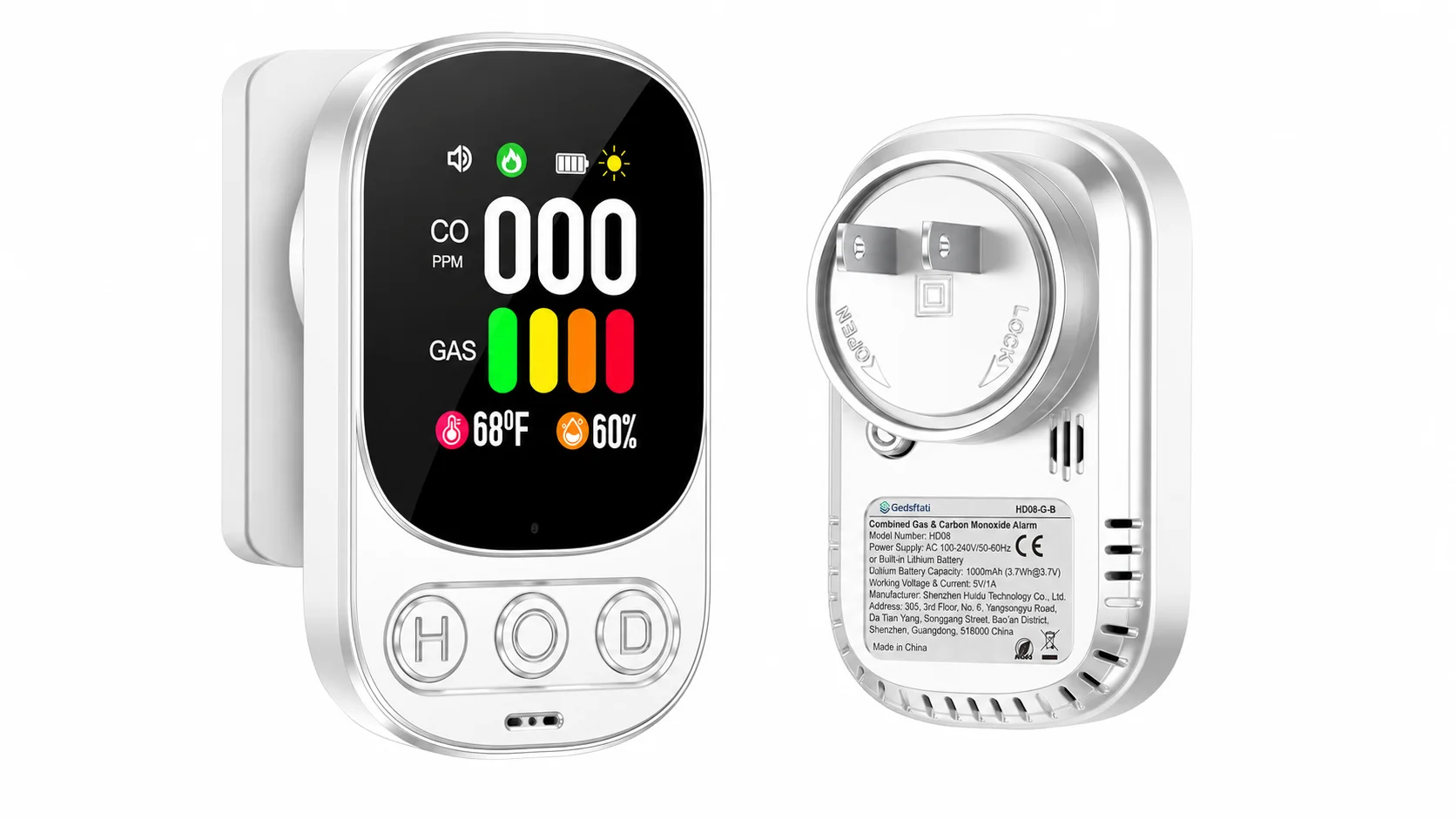
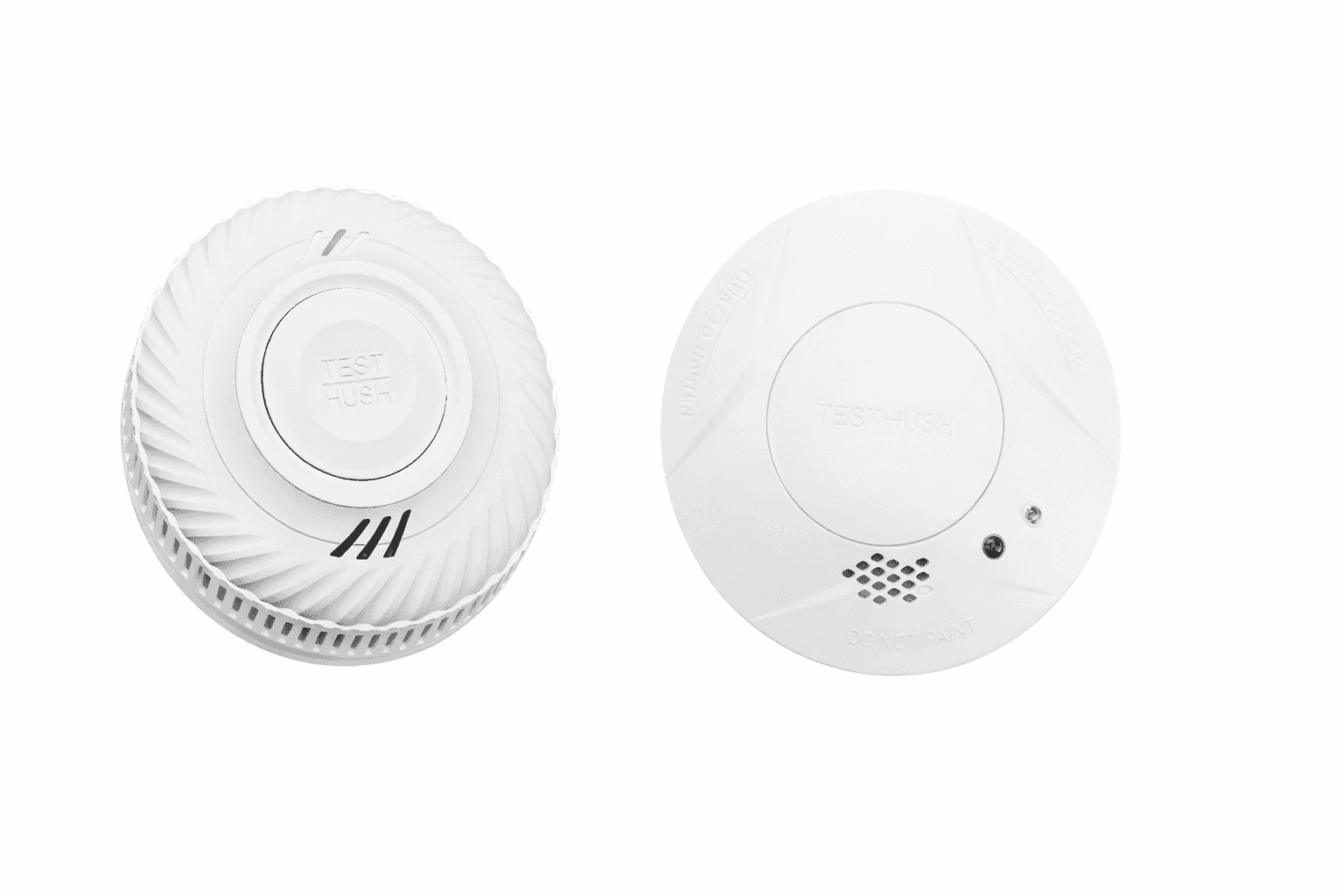
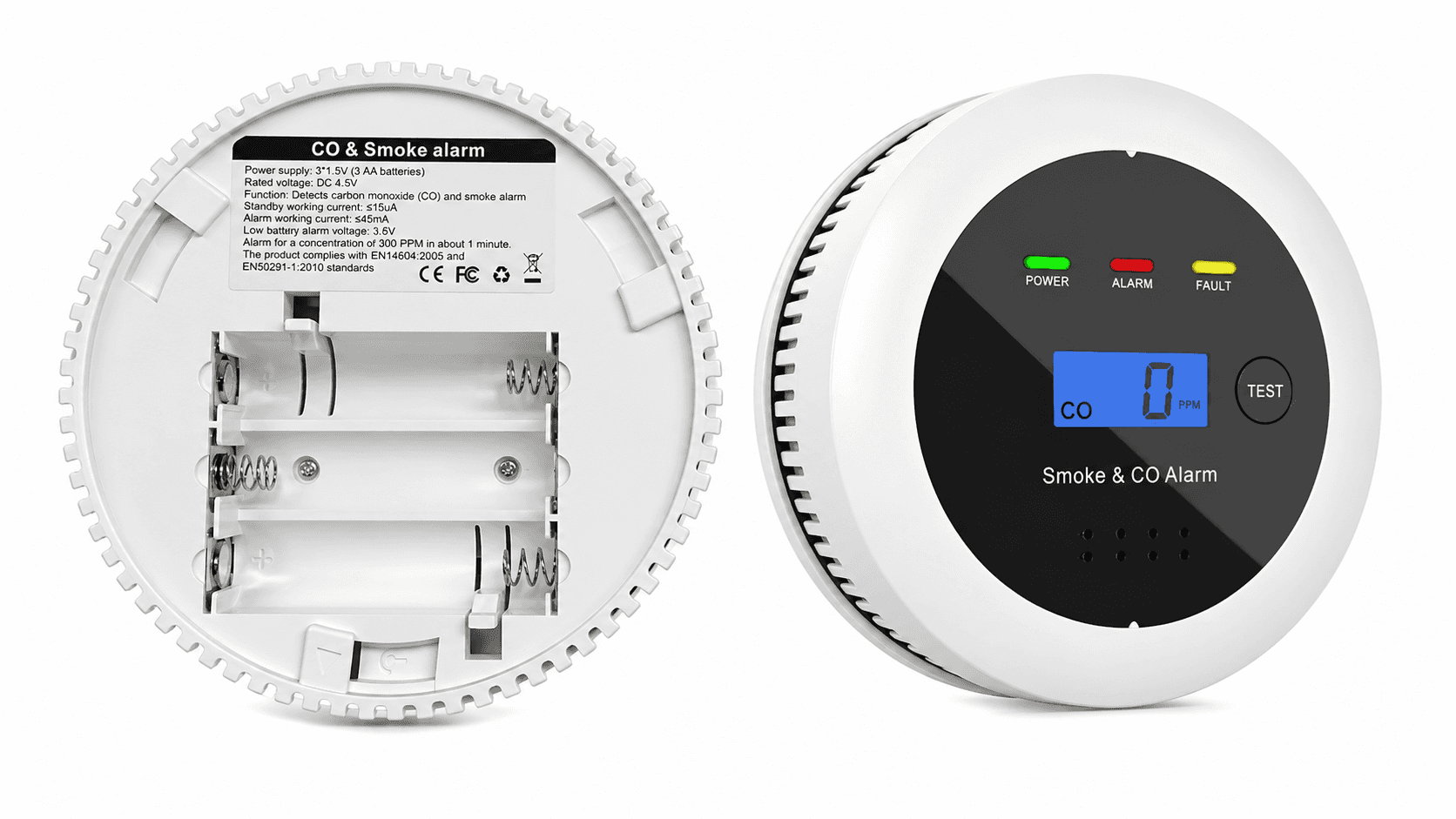
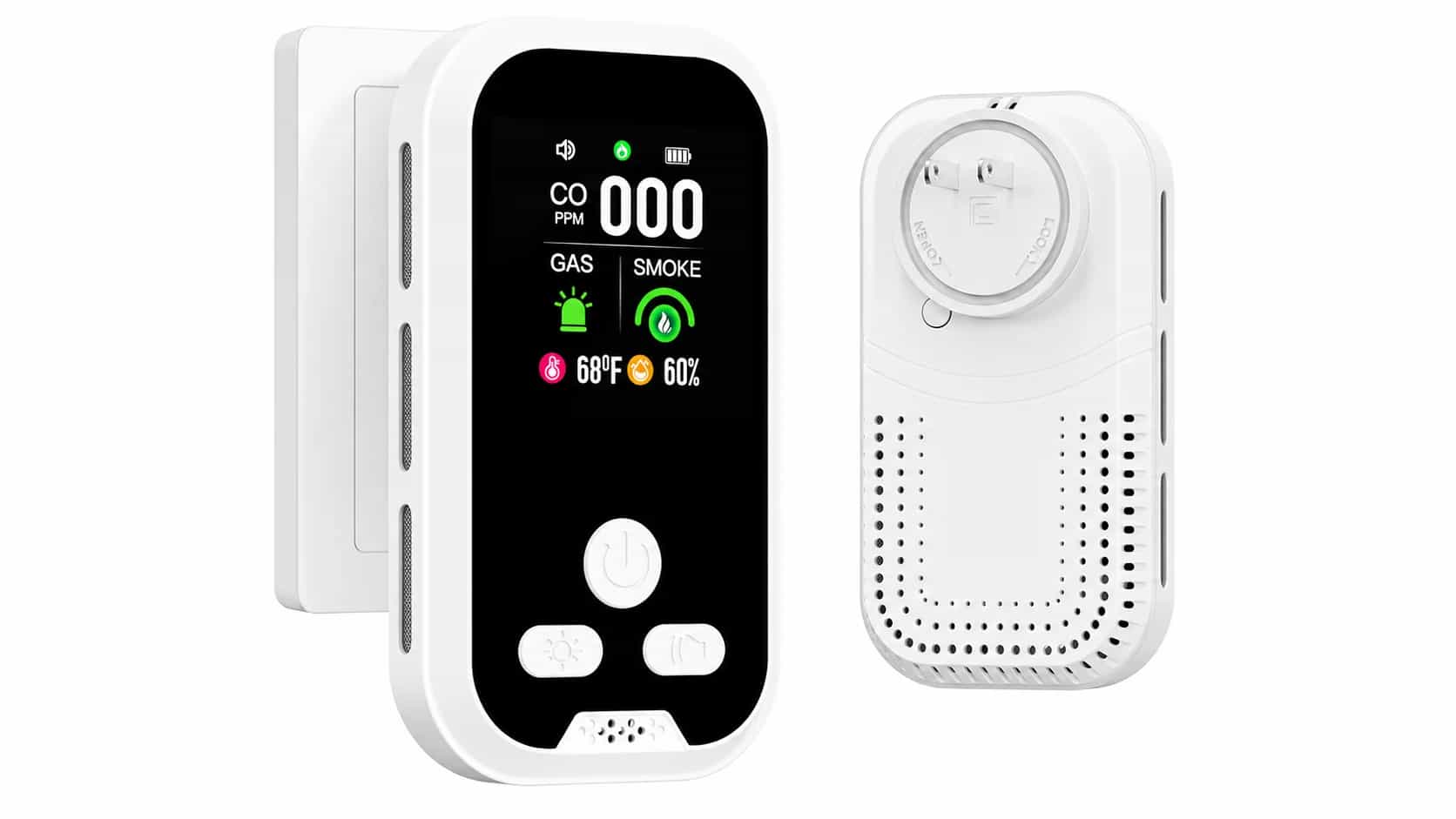
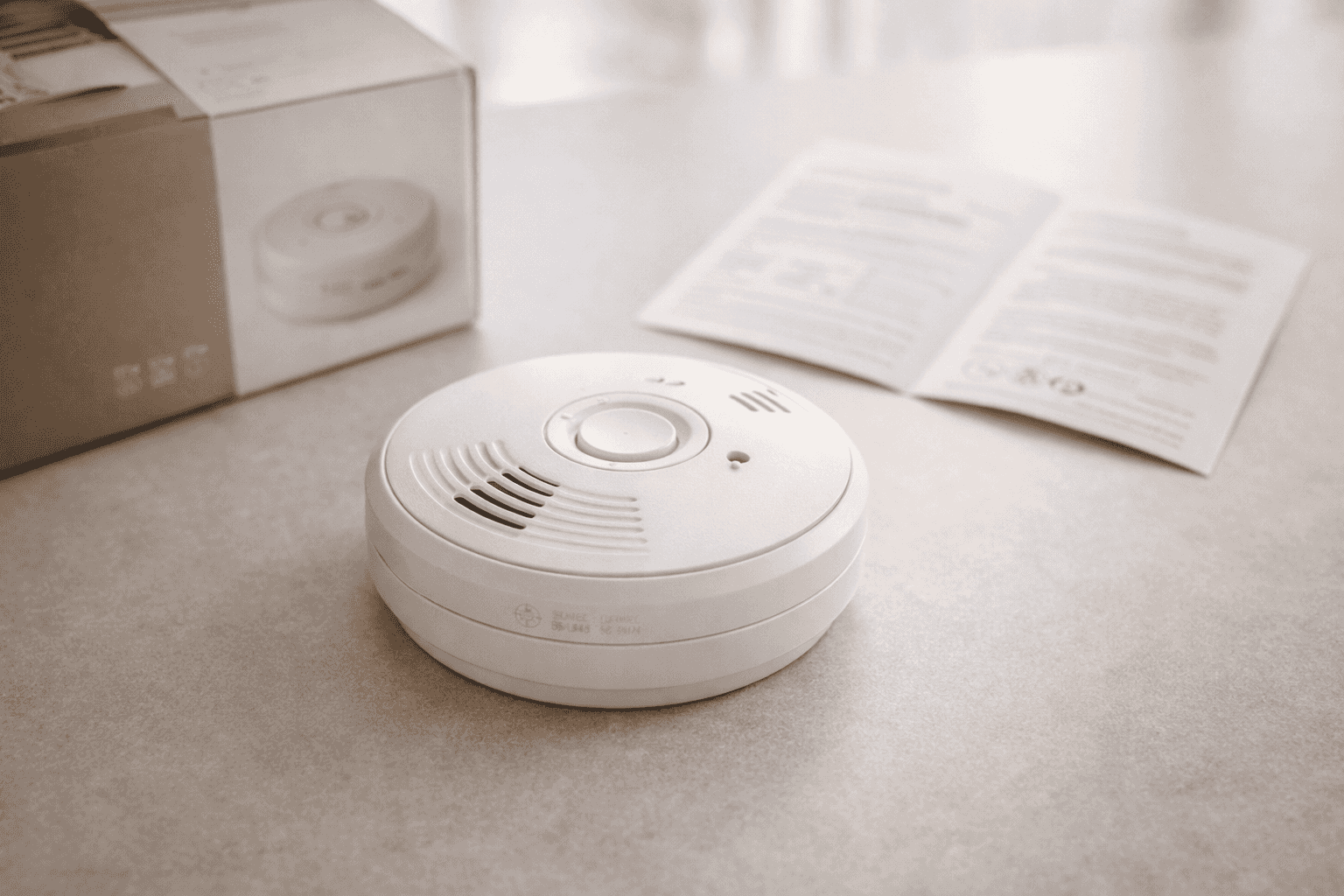
On May 6, 2026, Health Canada issued consumer product advisory RA-82034 warning Canadians who purchased the Gedsffati Plug-in Combined Smoke and Carbon Monoxide Alarm — models HD11 and HD11-CS — to immediately stop using it. The reason is straightforward and serious. The device does not carry a Canadian certification mark, Health Canada's testing could not confirm whether it operates correctly in the presence of smoke or fire, and the regulator now classifies it as an unauthorized product.
The number that puts this advisory in a different category from the ones that preceded it is the unit count. Amazon.ca reported that 3,588 of these alarms were sold to Canadians before the listing was pulled. That is roughly five times more units than the highest single uncertified alarm recall earlier in 2026, and a magnitude beyond the small-batch products typical of this pattern. The story is no longer just about one device. It is about the gap between a name brand on a box, a smoke alarm icon on an Amazon product page, and the certification testing that actually determines whether the thing in your hallway will wake you up at 2 a.m.
This piece walks through what RA-82034 says, what "uncertified" actually means in Canada, why the Amazon marketplace pattern keeps producing the same problem, and how to verify that the alarms already in your home are the ones the regulator says they should be.
The product is a plug-in unit marketed as a combined smoke and carbon monoxide alarm. According to the Gedsffati alarm advisory published by Health Canada, the affected models are HD11 and HD11-CS, with the model number printed on both the packaging and a label on the back of the unit. The distributor is identified as Gedsffati-US (Shenzhenshi Yidetong Technology Co., Ltd.) of Shenzhen, China, with manufacturing by Shenzhen Huidu Technology Co., Ltd., also in Shenzhen.
Health Canada's sampling and evaluation program found three things at once. The device may not meet Canada's Residential Detectors Regulations. It does not carry a Canadian certification mark. And it is unknown whether it operates in the presence of smoke or fire. The advisory classifies the issue under "Consumer products – Unauthorized products" — a category that signals not a recalled compliant product, but a product that should not have been sold in Canada in the first place.
As of April 30, 2026, Amazon.ca reported 3,588 units sold in Canada. The marketplace has removed the listing. The foreign third-party seller has not responded to Health Canada's voluntary recall requests, which is why the department is taking the unusual step of warning consumers directly rather than communicating an organized return-and-refund program. No incidents or injuries had been reported as of the advisory date, and that matters for tone — the warning is precautionary based on testing and missing certification, not on documented harm.
For anyone who owns one, the official guidance is direct: stop using the alarm immediately, dispose of it according to municipal hazardous waste rules, and replace it with an alarm that carries a recognized Canadian certification mark.
"Uncertified" sounds like a paperwork problem. It is not. In Canada, electrical products that connect to home wiring or an outlet — including hardwired and battery-operated smoke and CO alarms — are required to be certified to Canadian standards. The certification mark on the device is the visible end of a process in which an accredited certification body has tested the product against a recognized standard and confirmed that it meets it.
Health Canada's standing 2021 guidance, When purchasing smoke or carbon monoxide alarms, look for a Canadian certification mark, spells out what that mark looks like in practice. Recognized Canadian certification marks include CSA, cUL, ULC, and cETL. The mark should appear directly on the product itself — not just on the packaging — because the packaging is what the seller controls and the device is what is going to alert you when it matters.
When a smoke or CO alarm has no recognized Canadian certification mark, two things follow. The device may not meet Canadian performance standards, and consumers may not be alerted to a fire or carbon monoxide incident in their home. That is the language Health Canada uses, and it is not hedged.
Where the certification mark sits matters. Marks printed only on the box, the listing image, or marketing materials are not enough. Look for CSA, cUL, ULC, or cETL stamped or embossed on the body of the alarm itself.
The Gedsffati advisory does not stand alone. Health Canada has issued a series of uncertified alarm advisories through April and May 2026, each tied to a foreign online merchant and each removing a small-batch product from the Canadian market after testing. What changes with RA-82034 is scale.
The April 17, 2026 recall RA-81902 covered the Ariza Independent Smoke Alarm, an unauthorized product without a Canadian certification mark. Health Canada reported 679 units sold in Canada through a China-based online merchant. The same day, RA-81903 covered the Wolf Shield Optical Smoke Alarm, with 288 units sold. RA-81904 added a Dual-Function Smoke and Carbon Monoxide Alarm at 321 units. April 22 brought RA-81919, a Green Scenic Smoke and Carbon Monoxide Alarm — only 13 units sold. April 29 added RA-81982, a Wi-Fi Photoelectric Smoke Alarm marketed as Ariza, with 8 units sold over eight months.
Then RA-82034. 3,588 units. One product. Sold in volume on the largest e-commerce platform in the country.
The marketplace dynamic is the through-line. Health Canada's 2021 certification-mark guidance flagged the issue years ago, noting that as Canadians shop online more, third-party sellers on popular Canadian platforms may not operate in Canada, may be hard to follow up with, and may offer uncertified smoke or CO alarms. The 2026 advisories are the practical demonstration of that warning. The same pattern has appeared with Amazon.ca radon detectors and relight candles in earlier Health Canada advisories, where the foreign seller was unresponsive and the regulator had to warn consumers directly. Homeowner.ca covered an earlier stretch of this pattern in a roundup of three uncertified alarms recalled in a single day. A follow-up piece on the fourth uncertified alarm flagged in the same month showed the cadence had not slowed before RA-82034 landed.
What is different about RA-82034 is that the unit count breaks the assumption that uncertified alarms are a fringe distribution problem. Several thousand Canadian households now have a device on the wall that the federal regulator says it cannot confirm will detect a fire.
The buying problem is solvable, but not by brand recognition or product page screenshots. The decision rule is the certification mark on the unit, and the verification has to happen at three points: before purchase, on arrival, and on devices already installed.
Before purchase, work the listing carefully. Health Canada's general consumer guide, Keep safety in mind when shopping online, recommends checking the Recalls and Safety Alerts database for the product, confirming whether the seller operates in Canada, and looking for a recognized Canadian electrical approval mark on plug-in products. For smoke and CO alarms specifically, the listing should explicitly identify the certification body — CSA, cUL, ULC, or cETL — and ideally show that mark on a clear product photo of the device body, not just the packaging.
On arrival, do a physical check. Look on the back of the unit for the same certification mark that was promised in the listing. The mark should be permanent — printed, stamped, or embossed onto the device housing. A sticker that peels off, a mark only on a removable label, or a mark only on the box does not meet Health Canada's expectations.
On devices already installed, the same check applies. Pull the alarm down (most plug-in models slide off the outlet, and most ceiling units rotate to release), turn it over, and look for one of the four recognized certification marks. If it is missing, Health Canada's standing guidance is to replace the device with one that bears a mark and to dispose of the uncertified unit according to local electronic waste rules.
If the brand on your alarm is not one you recognize from a Canadian retailer, search the brand and the model number on Health Canada's Recalls and Safety Alerts database. Foreign-marketplace brands that have been the subject of an advisory will appear there, with the affected model numbers and a clear statement of the hazard.
For homeowners who want a structured approach to verifying their detectors against current Canadian rules, Homeowner.ca's compliance checklist for buying smoke or CO alarms online walks through the pre-purchase and on-arrival checks in detail. Ongoing care matters just as much, and Homeowner.ca's maintenance habits guide covers the testing and replacement cadence that keeps a certified device reliable. Provincial requirements vary too — Ontario homeowners can use the updated 2026 CO alarm requirements explainer as a starting point.

Recalls and safety alerts move quickly when the unit count is high or the hazard is acute. Health Canada's standing recommendation is to check the Recalls and Safety Alerts database regularly for dangerous products and to report any suspected health or safety incidents through the Consumer Product Incident Report Form on the same site. RA-82034 carries a recall and original publication date of May 6, 2026, targets the general public, and is identified as a consumer product advisory rather than a manufacturer-led recall — meaning the federal regulator is the source of truth, not the seller.
For the uncertified-alarm pattern specifically, the practical question is no longer "is there another one?" but "is yours among them?" The advisories so far in 2026 affect tens of thousands of Canadian devices in aggregate. Each one of those devices is in someone's hallway, at the top of a basement stairwell, or above a furnace room. The certification mark is the cheapest piece of due diligence available, and it is the one that decides whether the device wakes anyone up.
About the Author
Ryan is the founder of Homeowner.ca and a proud Canadian homeowner based in Guelph, Ontario. Over his 25-year career in digital publishing, he has focused on transforming complex information into clear, practical guidance that helps people make confident, well-informed decisions.