Ask the blunt question: does your heat need electricity?
This step matters most in Haliburton and the northern Kawarthas, where ice lasts longest and restoration on rural lines can take longer.
Most forced-air furnaces, boilers, pellet stoves and well pumps need electricity to run. Some heat sources don't. The Hearth, Patio and Barbecue Association of Canada notes that many gas fireplaces and stoves are designed to operate without power, either generating their own or running on a battery backup. Check yours, and put fresh batteries in it now.
Protect the pipes, with a fallback
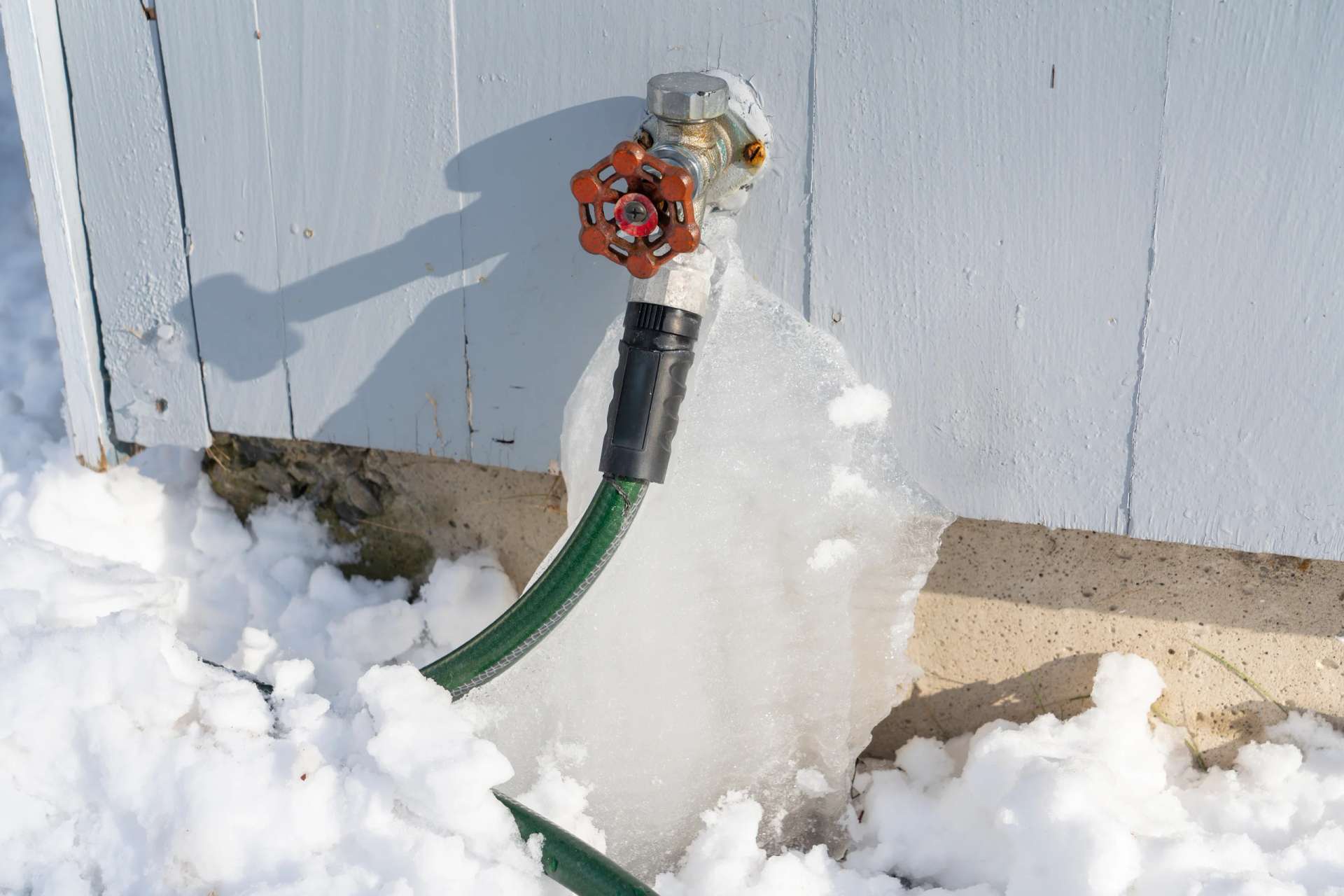
Federal guidance is direct on the stakes: Public Safety Canada warns that extended outages can cause frozen water pipes, and that households should be ready to look after themselves for at least 72 hours. Its preparation advice adds the fallback: if you cannot keep the heat on, drain the plumbing.
Before the storm, find the main water shut-off and confirm it turns. The City of Toronto's frozen pipe guidance recommends keeping areas with water pipes above 8°C, especially near the water meter, which is a useful target anywhere.
For seasonal properties, the decision is simple. If the cottage is empty this week and its heat depends on grid power, either arrange for someone to check it during and after the outage, or shut off and drain the water before the ice arrives. Once the ice coats the road in, that option disappears.
Leaving for longer this winter? Our checklist for winterizing before you leave covers longer absences.