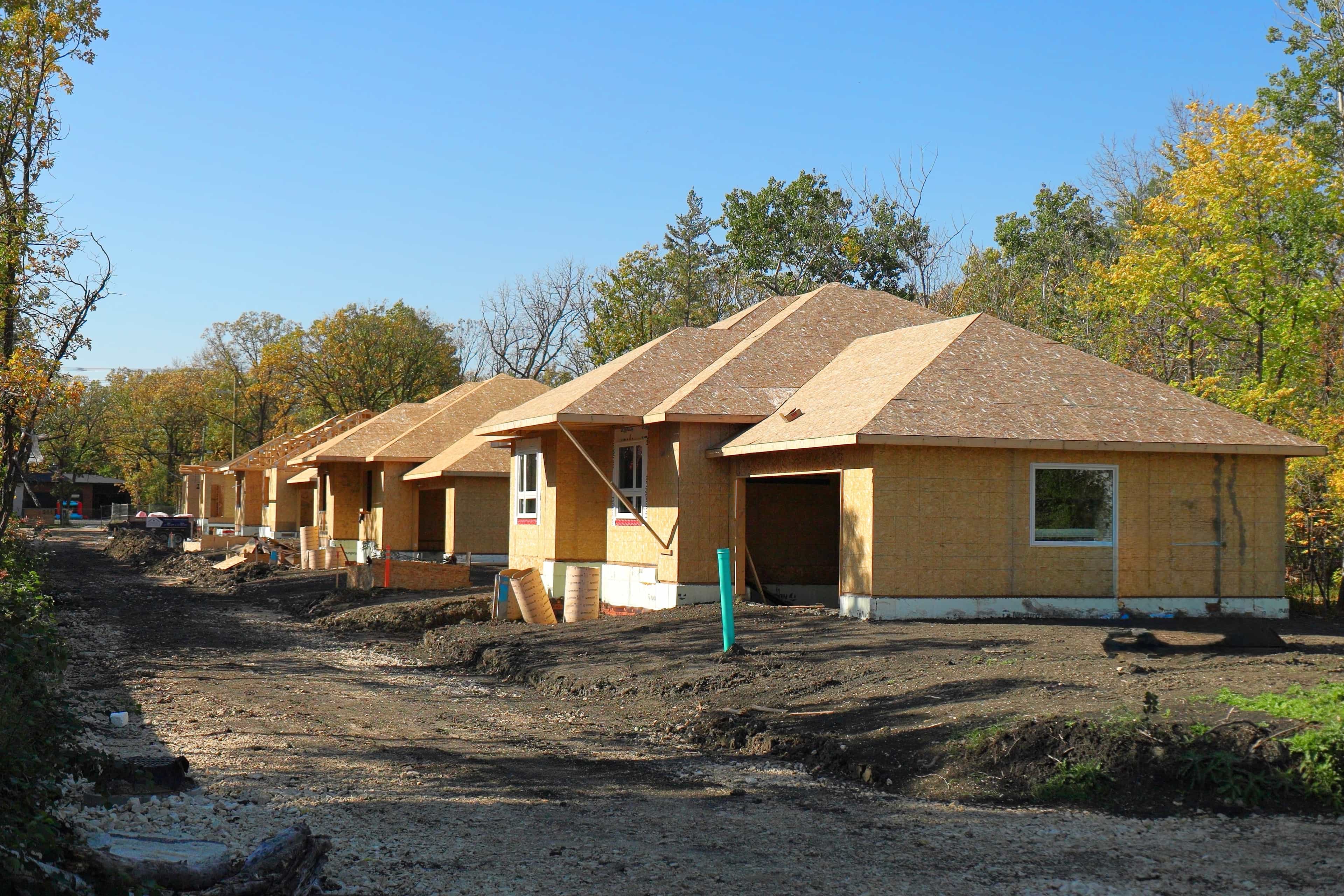
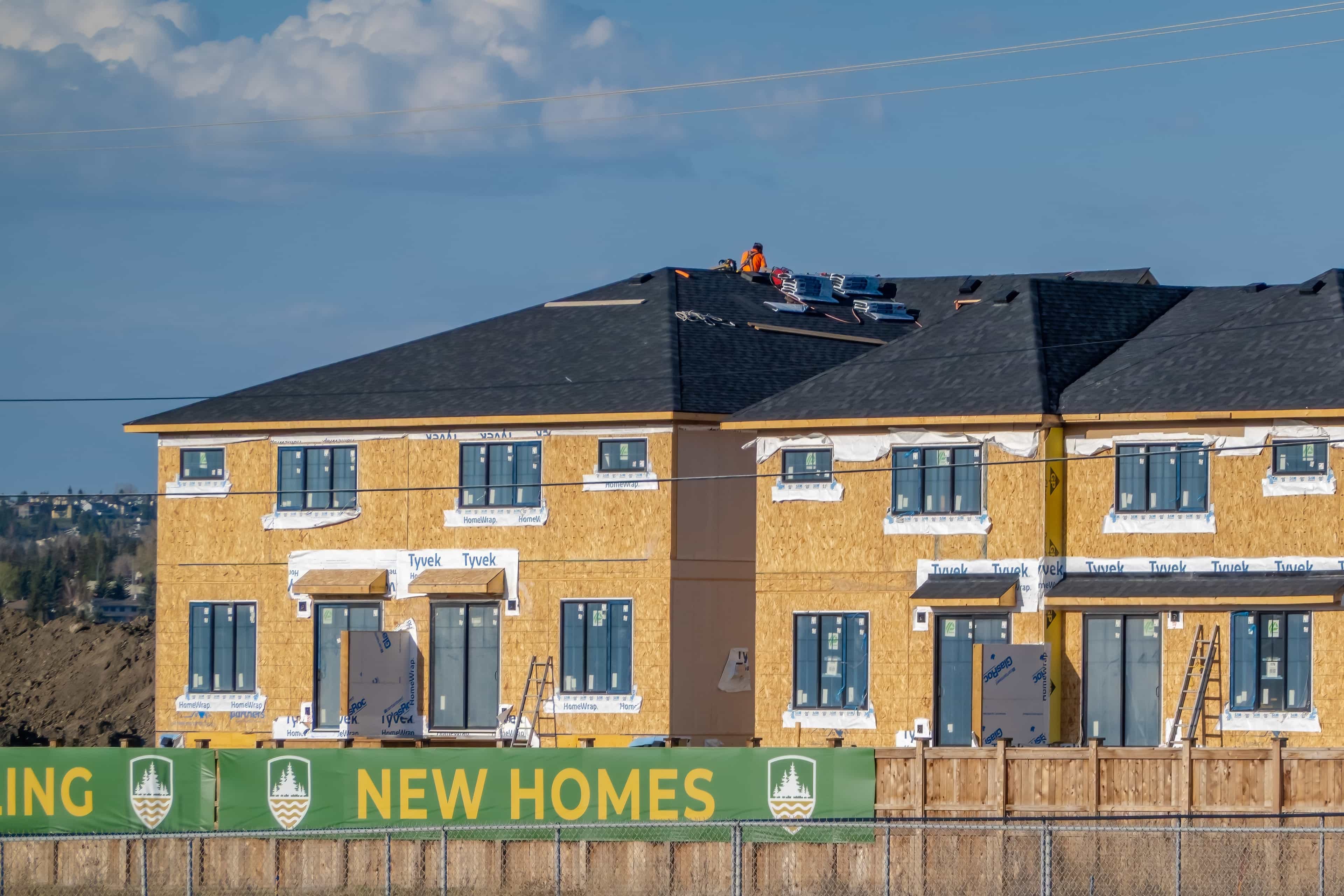
In Housing, Infrastructure and Communities Canada’s February 18, 2026 announcement, the federal government and the Province of British Columbia said they will partner under Build Canada Homes (BCH) to deliver a first-phase portfolio of at least 1,100 homes in the province. The package is split between a minimum of 700 supportive and transitional homes described as shovel-ready (with construction expected to start within the next 12 months) and a second stream that would explore delivering at least 400 affordable rental homes using B.C.’s Digitally Accelerated Standardized Housing (DASH) program and modern methods of construction. The release also spells out a cost-sharing approach: BCH would contribute $170 million toward capital costs, while the province—through BC Housing—would contribute $640 million that includes both capital and operating commitments, including $27 million over 10 years for wrap-around supports tied to housing stability in the supportive/transitional stream.
For homeowners trying to make sense of why this matters, the headline isn’t only “more units.” It’s that governments are explicitly treating housing delivery like an industrial workflow: standardized designs, prefabricated Canadian-made components, and a coordinated supply chain are positioned as the mechanism—not an add-on—to shorten timelines and reduce cost pressures. That is a meaningful shift from project-by-project delivery, because it can change how builders source materials, how sites are planned, and how quickly multi-family housing can move from design to construction.
This also lands in a market backdrop where the scale problem remains the dominant constraint. In Canada Mortgage and Housing Corporation reporting summarized by BNN Bloomberg, the agency’s affordability scenario work is described as requiring a near-doubling of annual housing production for an extended period, with British Columbia among the provinces facing the largest gaps. At the same time, near-term construction conditions remain challenging: the outlook covered in Advisor.ca’s summary of a CMHC forecast notes national housing starts expected around 247,000 units for 2026, below 2025, alongside elevated costs and softer demand conditions.
Even outside new-build policy, housing is being discussed as a macroeconomic factor. In a Yahoo Finance report on a CIBC view of Canada’s housing slowdown, the broader narrative is that housing market weakness can spill into the wider economy—one reason governments often emphasize “speed” and “scale” when they talk about supply.