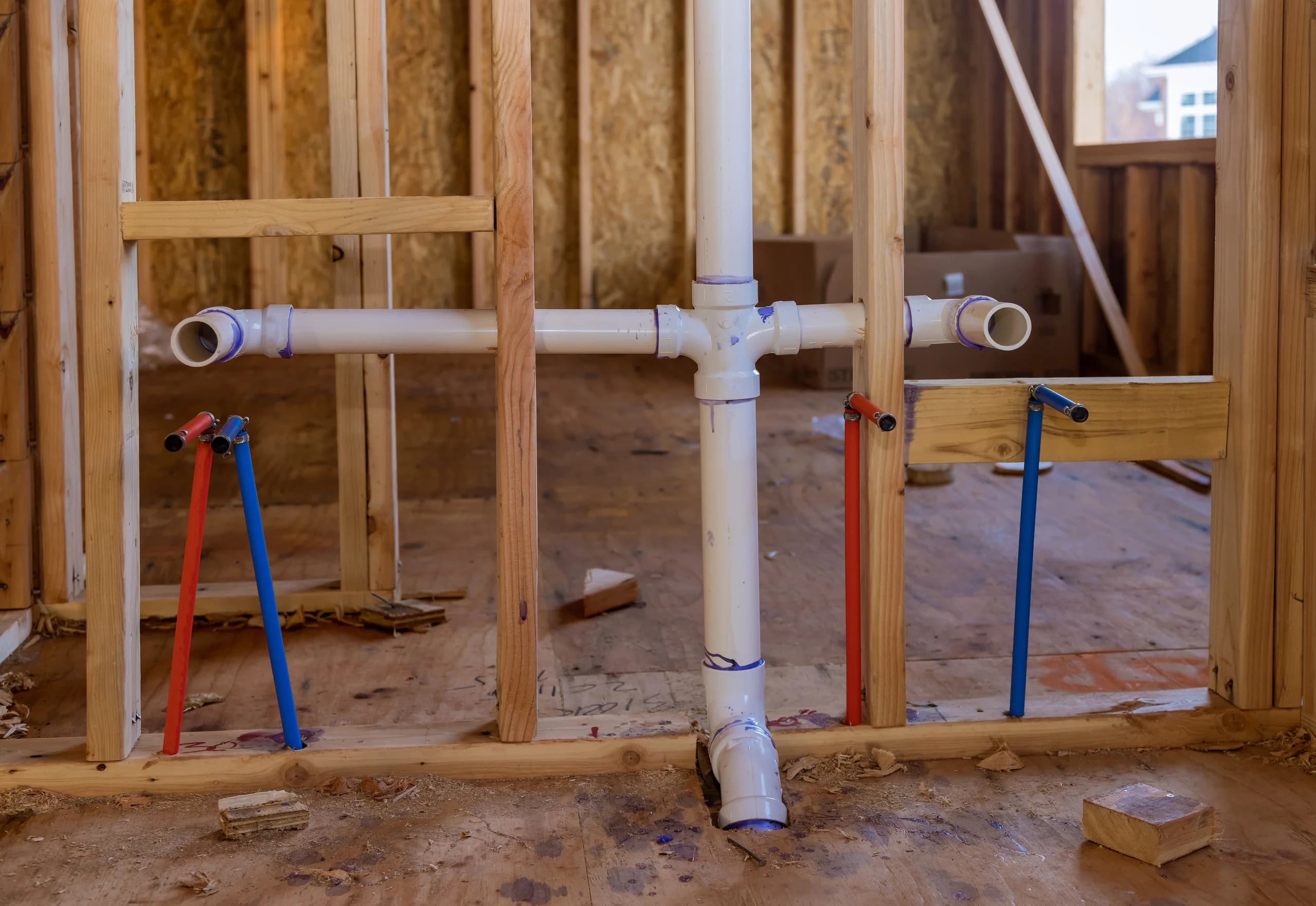
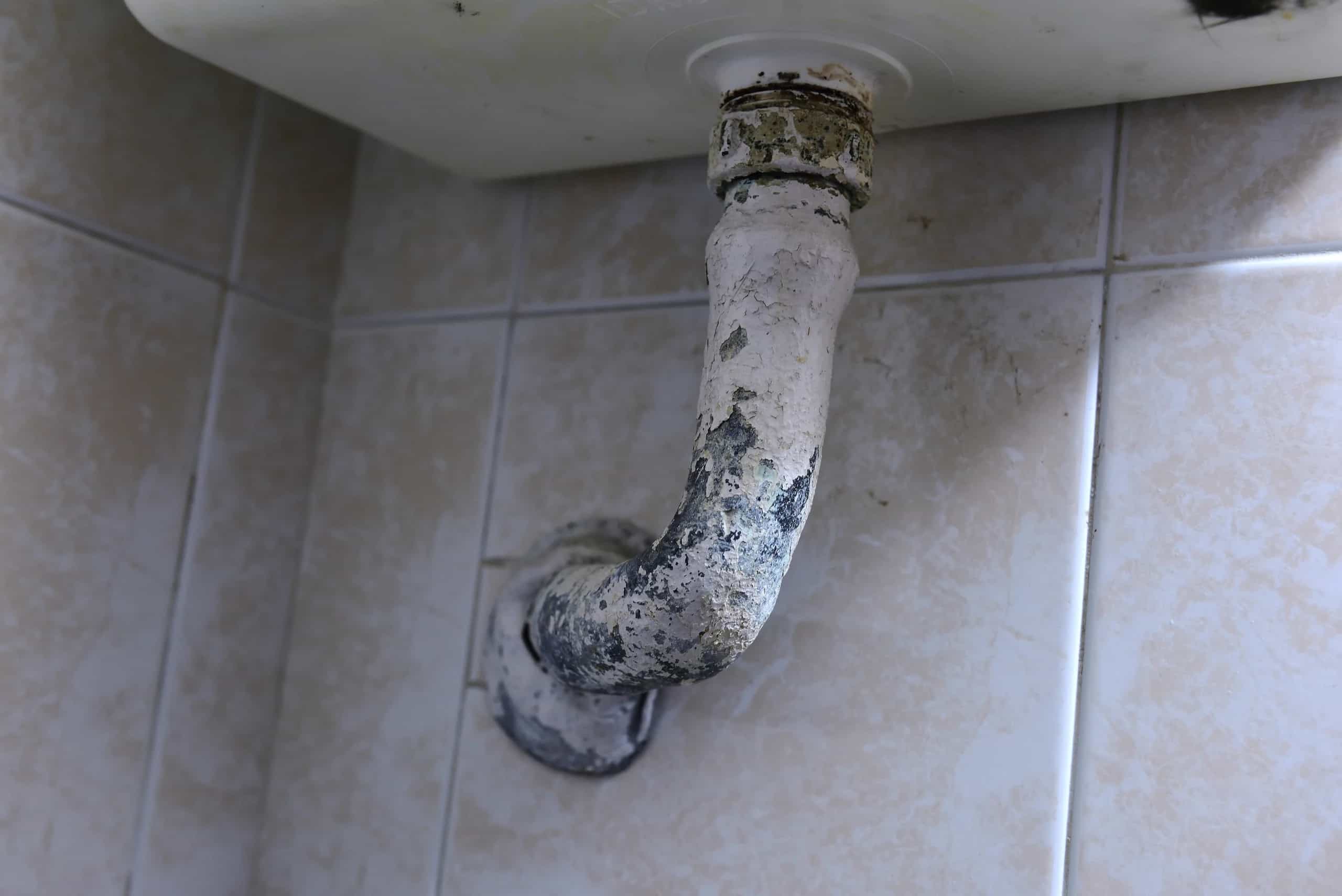
Three levels of work exist, and they are not interchangeable in an underwriter's eyes.
A full repipe replaces the supply system end to end. It is the only option that removes the question entirely, because there is nothing left to ask about. A partial repipe replaces the accessible runs — typically a basement and mechanical room — and leaves pipe in finished walls and ceilings. It reduces exposure and it is frequently what a budget allows, but it usually does not close the underwriting question, because the honest answer to "is there still Poly-B in the house" remains yes. Fitting-only work on Kitec addresses the actual failure point, and it is treated inconsistently: some insurers credit it, others regard the system as a system.
A homeowner choosing partial work should choose it knowing that the insurance benefit may be zero even where the engineering benefit is real.
The Documentation Package
Whatever the scope, what an insurer evaluates is paperwork. A whole-home repipe is permitted work: a permit is required to install, change or upgrade any part of a plumbing system, it is generally pulled by a licensed contractor, and an inspection is required before the permit is finalized. As the Canadian repipe reference Poly B Canada puts it, the permit and inspection record form part of the documentation package an insurer will want after a repipe, alongside the completion certificate. Permit requirements are set municipally, so confirm the local process rather than assuming another city's rules apply.
Ask any contractor, before the first invoice is paid, to commit in writing to providing:
- The plumbing permit number and issuing municipality
- The final inspection record
- A completion certificate
- A written scope statement naming exactly which runs were replaced and which were not
- Photographs of the work before walls were closed
That last item is the one most often skipped and most often wanted later. Cost sits in a wide band: Canadian insurance publishers report Poly-B repipe figures between $3,000 and $25,000 depending on home size and complexity, and note that a home may be easier to insure once the system is gone. Treat that as an order of magnitude for deciding whether to make the call, not as a quote.