It doesn't. Tankless means endless hot water — as long as you're within the unit's flow capacity. The time it takes for hot water to reach your tap depends on pipe distance, not on whether your heater has a tank. NRCan confirms that wait times can actually increase slightly with tankless systems. A recirculation pump solves this, but it's an add-on, not a built-in feature of most units.
Modern gas tankless units are sold and installed across Canada by the hundreds of thousands. Rinnai reports selling approximately 100,000 tankless units per year in Canada. The technology works in cold climates — the question is whether the specific unit is sized for your local groundwater temperature and your household's simultaneous demand. Undersizing is the problem, not the technology.
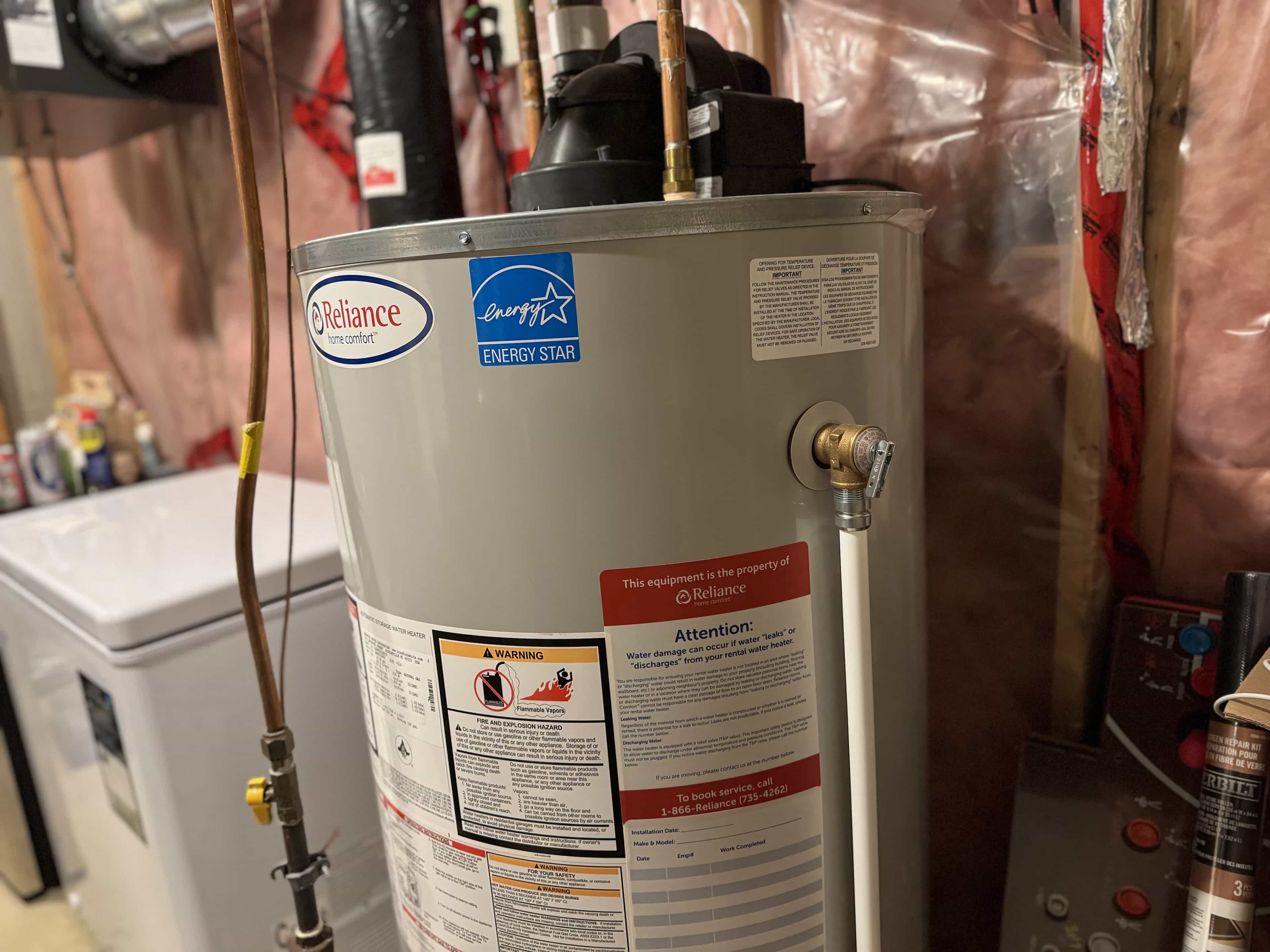
They don't, in most cases. The field data shows payback periods of 20–40 years when comparing tankless to conventional tanks on energy savings alone. The financial case improves significantly when you factor in the longer lifespan (avoiding a second tank replacement), available rebates, and the non-financial benefits of space savings and reduced leak risk.
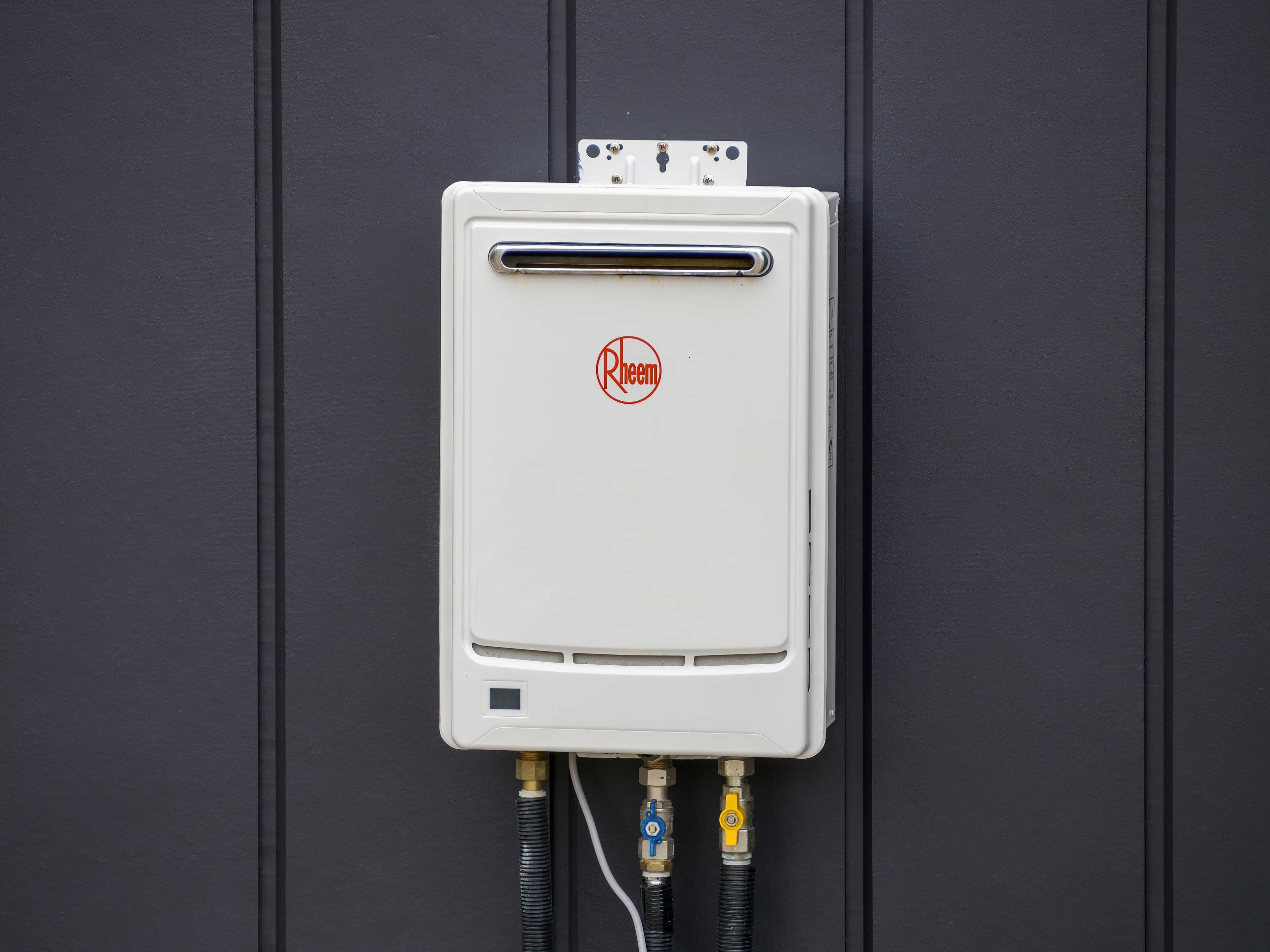
Tankless water heaters are compact and wall-mounted, freeing up significant floor space — a real advantage in smaller Canadian homes, condos, and finished basements. They also eliminate the risk of catastrophic tank ruptures and large-volume leaks, which, while uncommon, can cause thousands of dollars in water damage when they do occur. (If basement water damage is already on your radar, a backwater valve is another high-value protective upgrade worth considering alongside a tankless install.)
Use this to gut-check whether tankless is right for your situation:
If you check three or more boxes in the "Favours Tankless" column, the upgrade is likely worth exploring with a qualified contractor. If most of your checks land on the right side, a high-efficiency storage tank may be the better value.