Water heating is the second-largest energy cost in a Canadian home, accounting for roughly 17–19% of total residential energy use. The average Canadian uses about 75 litres of hot water every day — for showers, dishwashing, laundry, and cleaning. That adds up to a significant share of your utility bill, year after year.
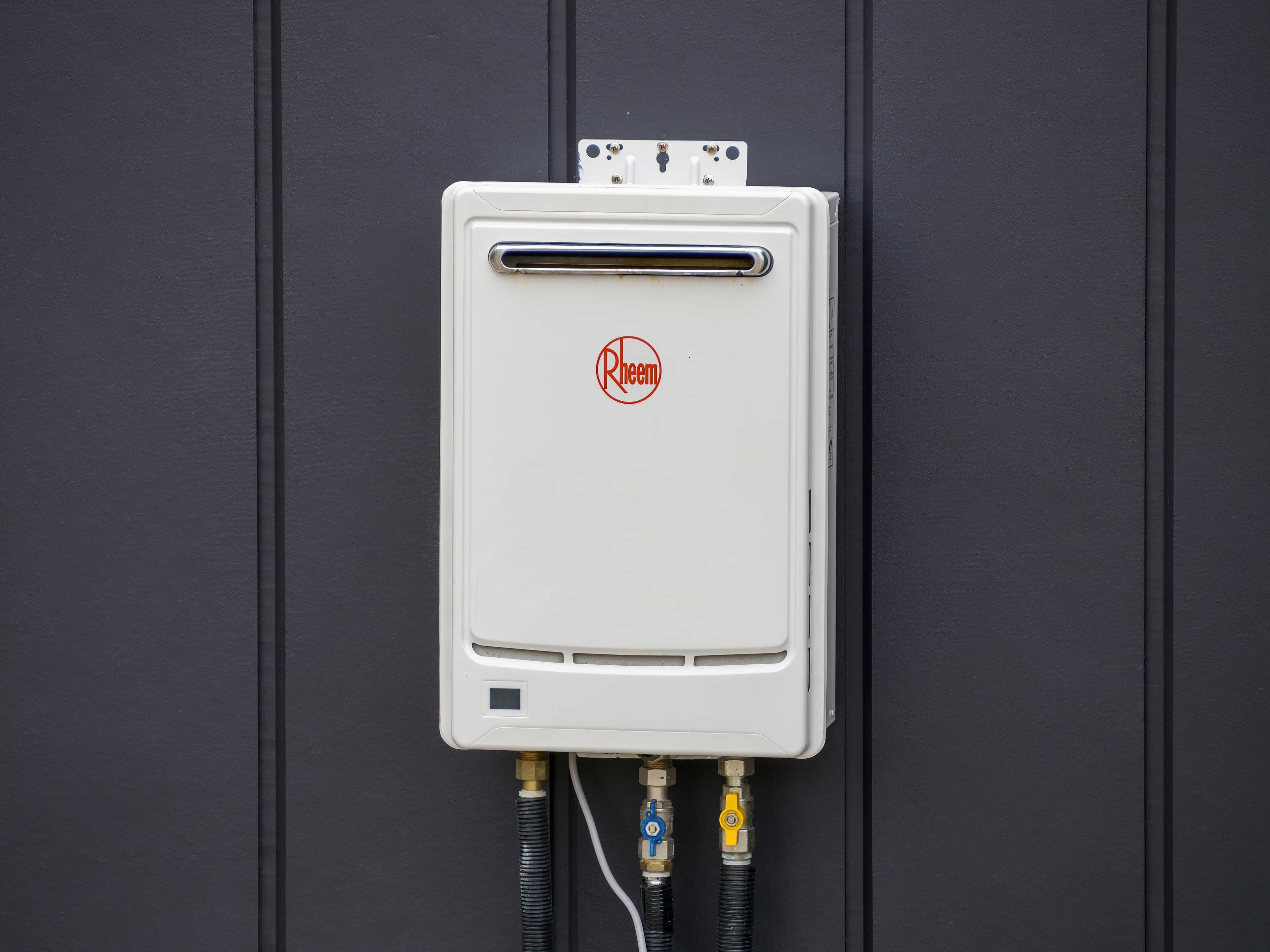
Tankless water heaters promise to cut into that cost by heating water only when you need it, rather than keeping a large tank hot around the clock. The pitch is compelling: lower energy bills, endless hot water, and a compact unit that frees up floor space. And for many Canadian homes, those promises hold up — under the right conditions.
But tankless systems are not a universal upgrade. They cost more upfront, they require specific installation infrastructure, and their real-world savings depend on factors most marketing materials gloss over: your local groundwater temperature, how many fixtures you run simultaneously, and whether your home's gas line or electrical panel can handle the load. This guide walks through all of it — how the technology works, what it actually costs in Canadian dollars, how to size a system for cold-climate performance, and when a tankless upgrade makes financial sense versus when it doesn't.