How Long Tankless Heaters Last
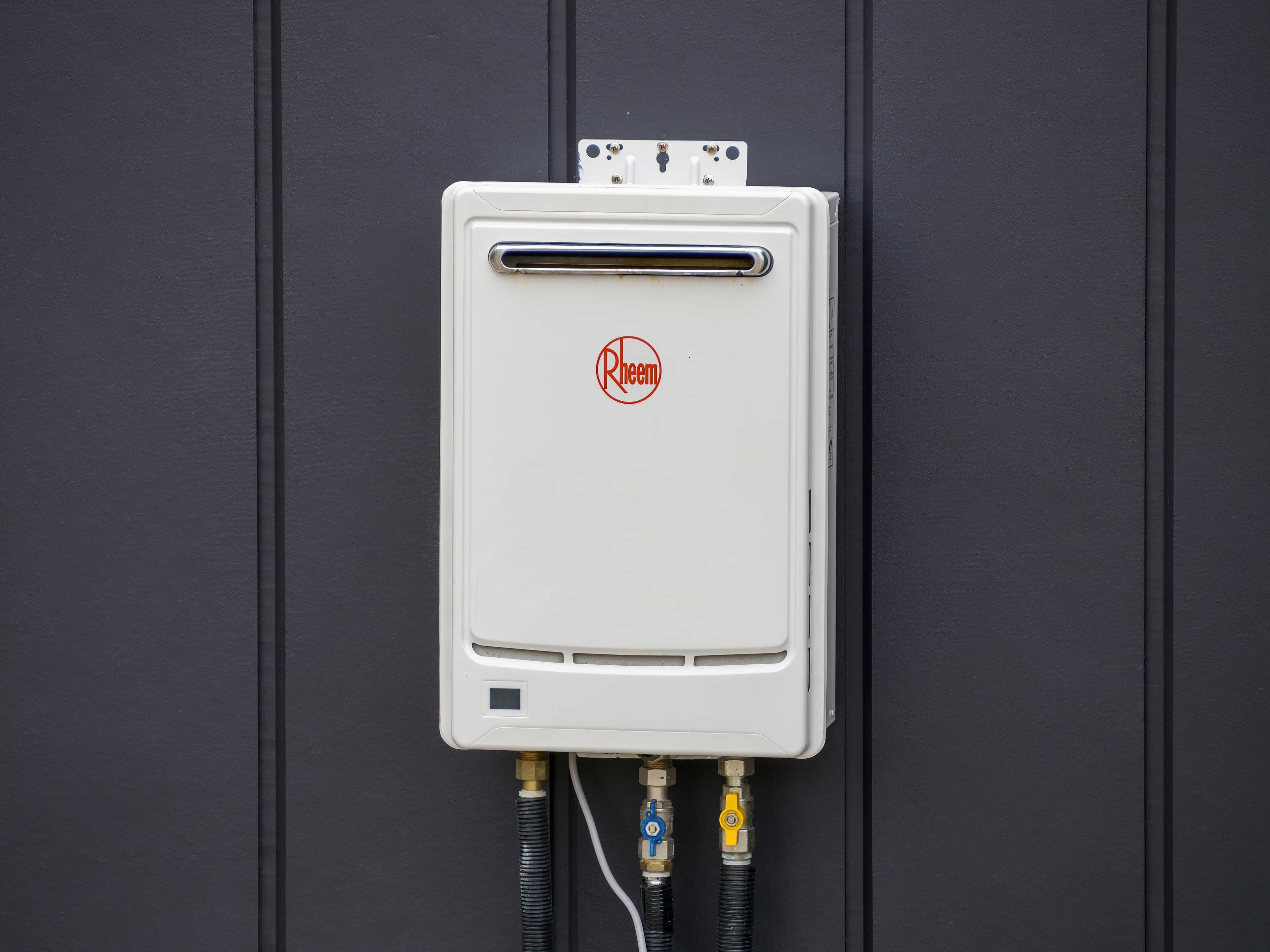
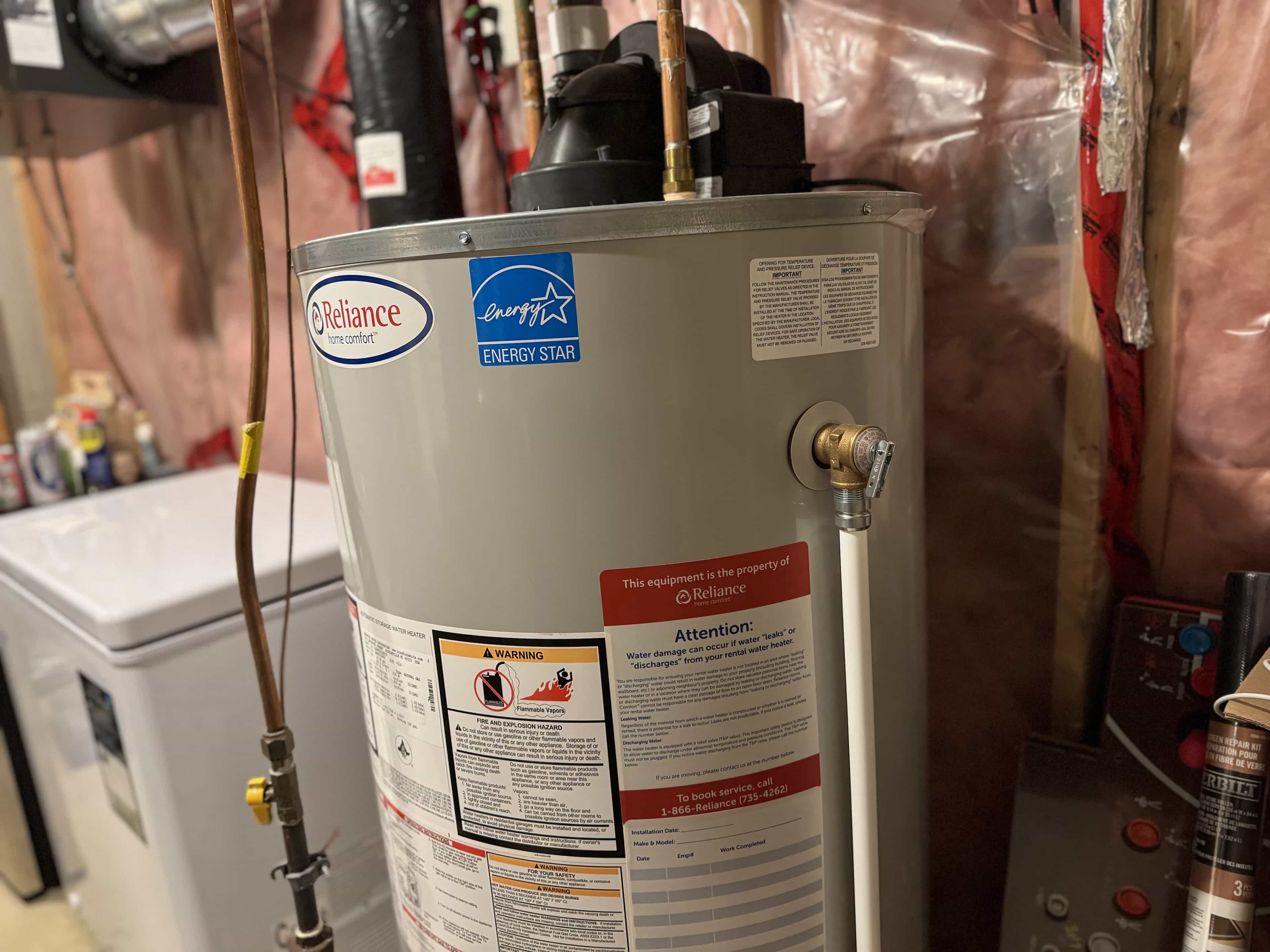
Most tankless water heaters have a life expectancy of about 20 years or more, roughly double the 10–15-year lifespan of a conventional storage tank. That longer service life is a significant factor in the total cost of ownership calculation — you'll likely replace a tank twice in the same period you'd replace a tankless unit once.
But that 20-year figure assumes proper maintenance, particularly in regions with hard water. Neglect the maintenance, and you can cut that lifespan in half.
The Hard Water Problem
Water hardness is the single biggest maintenance variable for tankless heaters in Canada. Provinces like Ontario, Alberta, and Saskatchewan often have very hard water, and Eccotemp Canada notes that calcium carbonate scale builds up on heat exchangers faster in these regions, reducing efficiency and potentially causing premature failure.
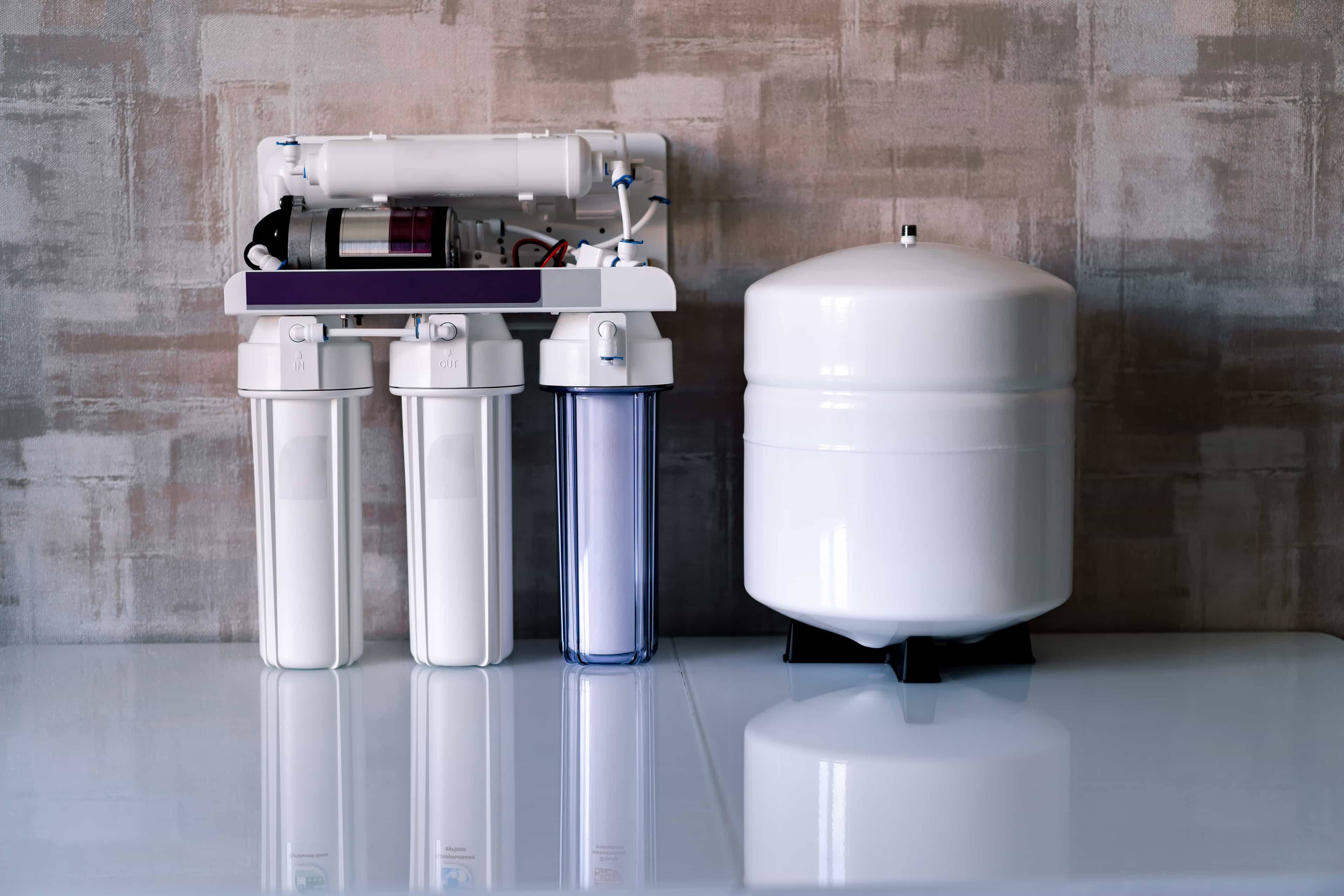
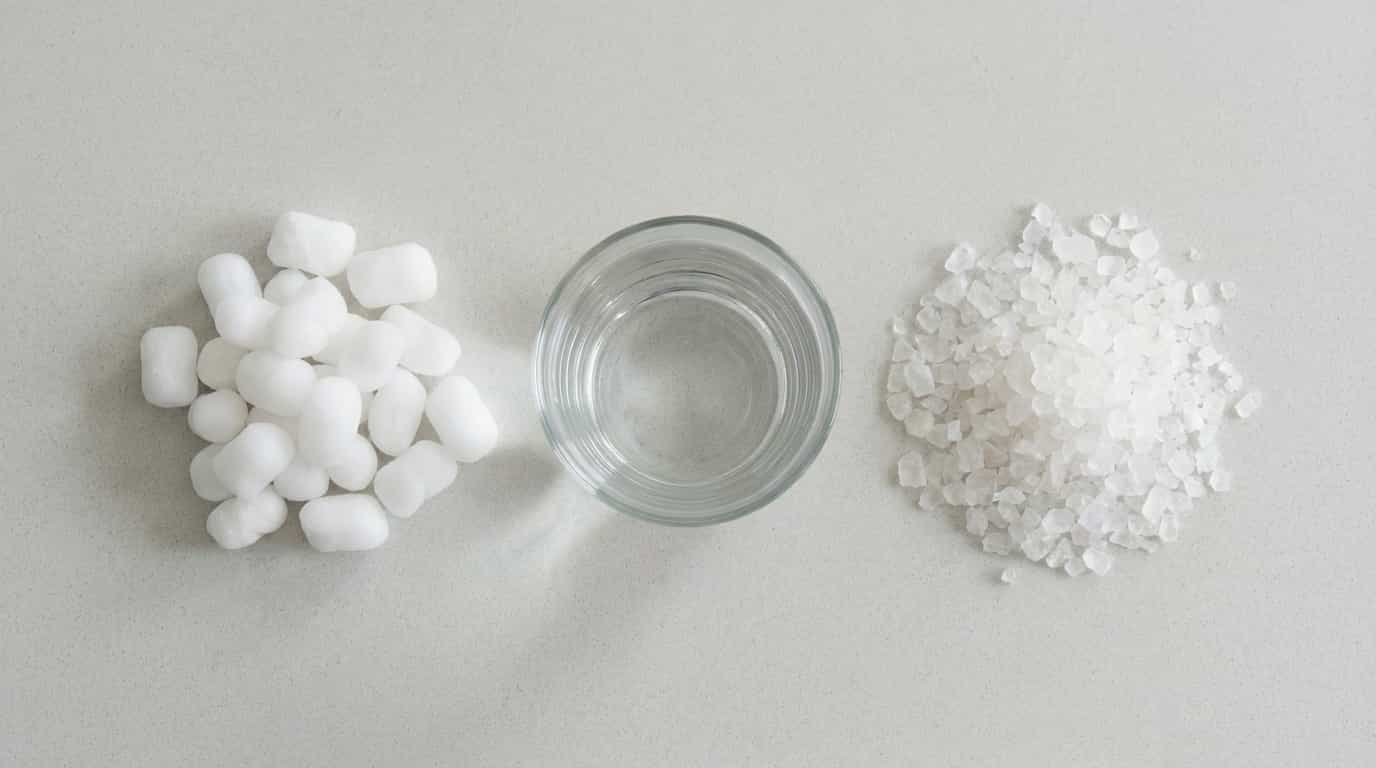
If your municipal water report shows hardness above 120 mg/L (moderately hard to very hard), you have two choices: commit to aggressive descaling, or install a water softener upstream of the heater. Many plumbers in hard-water areas will recommend both.
Maintenance Schedule
Canadian plumbing professionals recommend flushing and descaling a tankless water heater every 6–12 months, with more frequent service where water is very hard. The typical annual maintenance visit includes:
- Descaling the heat exchanger using a vinegar or commercial descaling solution pumped through the unit
- Cleaning inlet screens and sediment filters to prevent flow restriction
- Inspecting vents and combustion air intakes for blockages (leaves, nests, ice in winter)
- Checking for error codes, leaks, and unusual sounds that signal developing issues
At $150–$200 per year for professional service, this is a real cost — but it's the cost of protecting a $3,000–$5,000 investment. Some homeowners learn to do the vinegar flush themselves (most manufacturers provide instructions), which reduces the annual expense to the cost of a descaling pump kit and an hour of time.
Ask your municipality for a copy of the annual water quality report, or look it up online. Check the hardness reading in mg/L or grains per gallon. If it's above 120 mg/L (about 7 grains), plan for at least annual descaling — and seriously consider a water softener if you're investing in a tankless system.