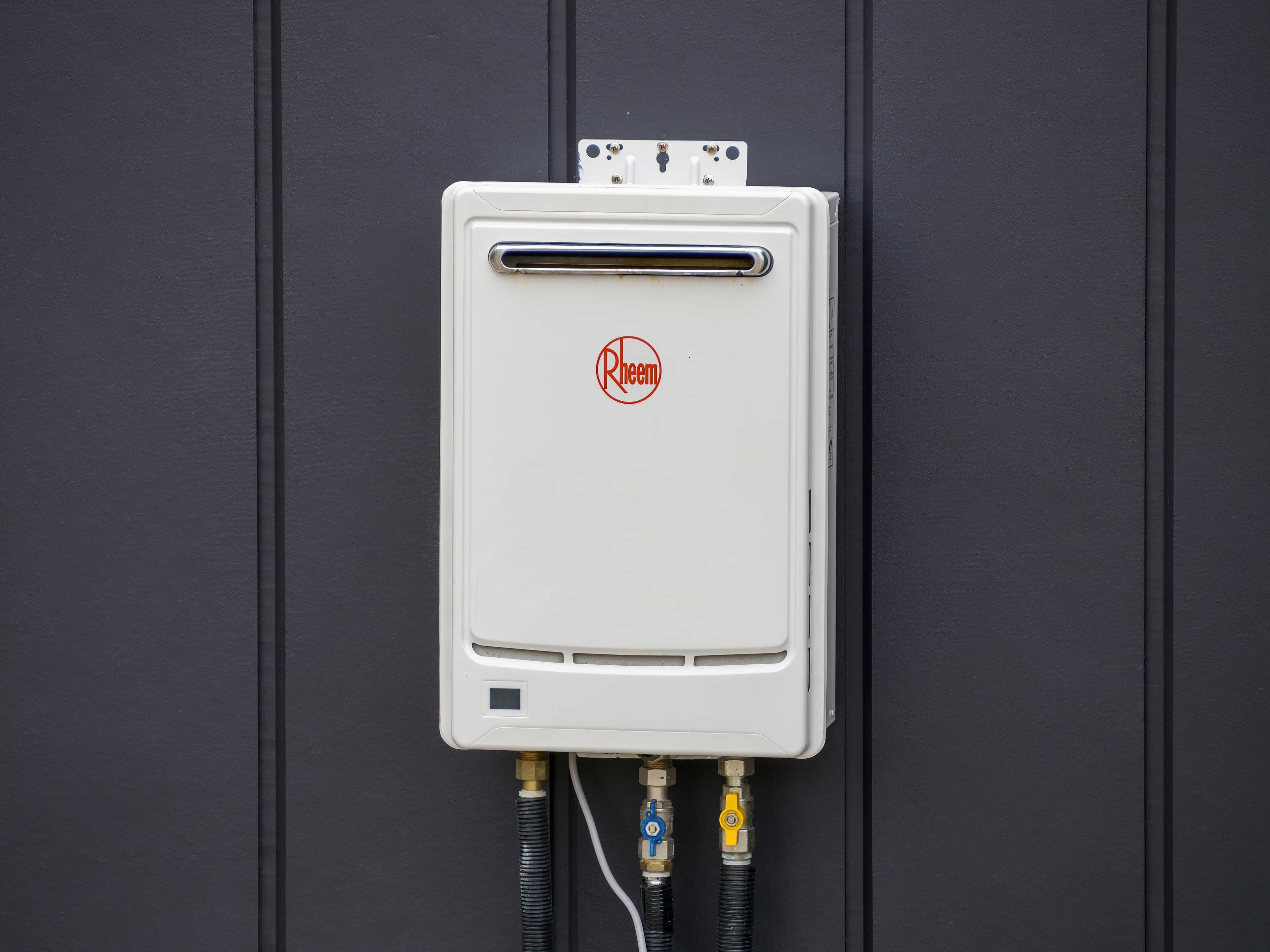
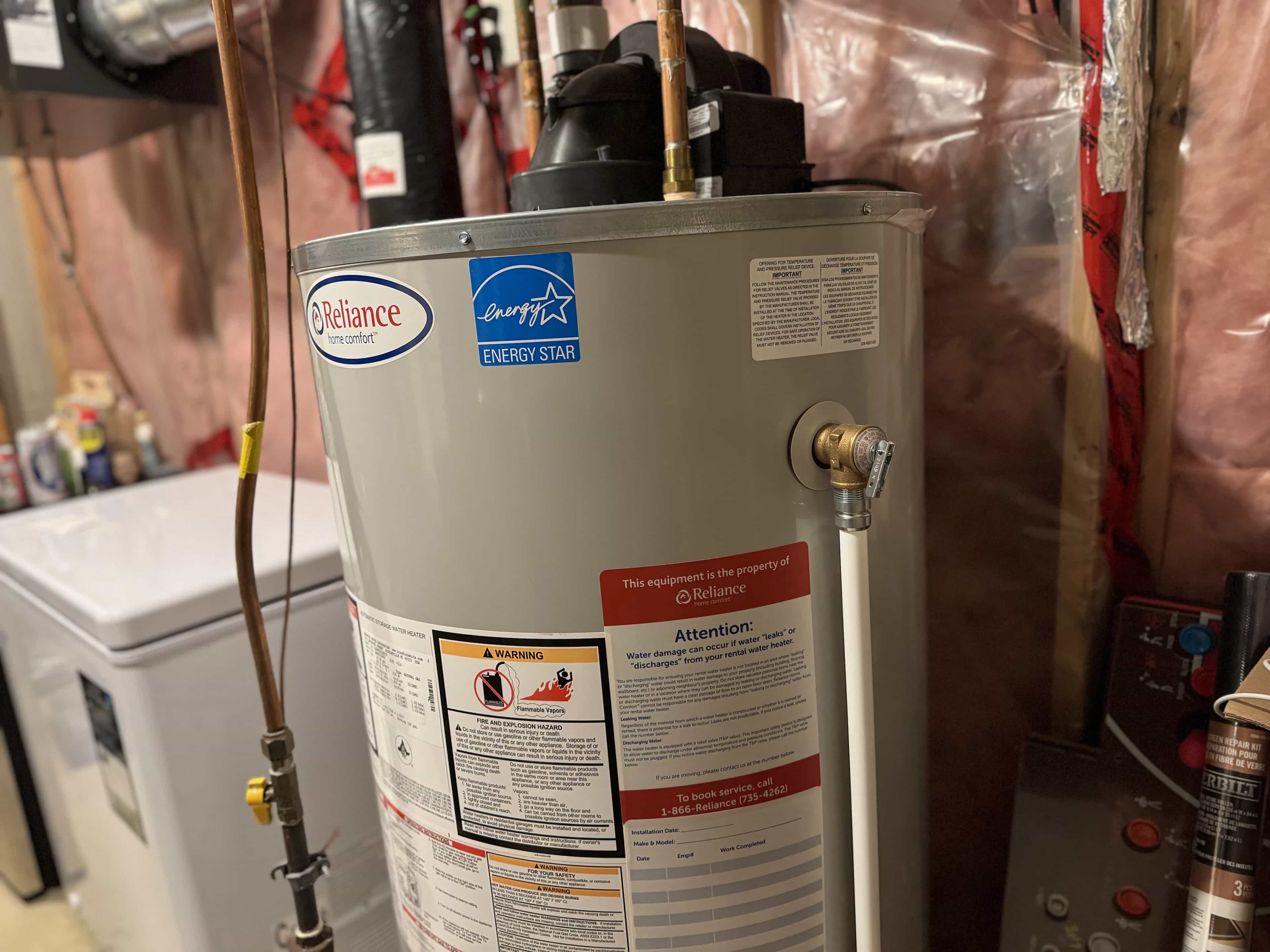
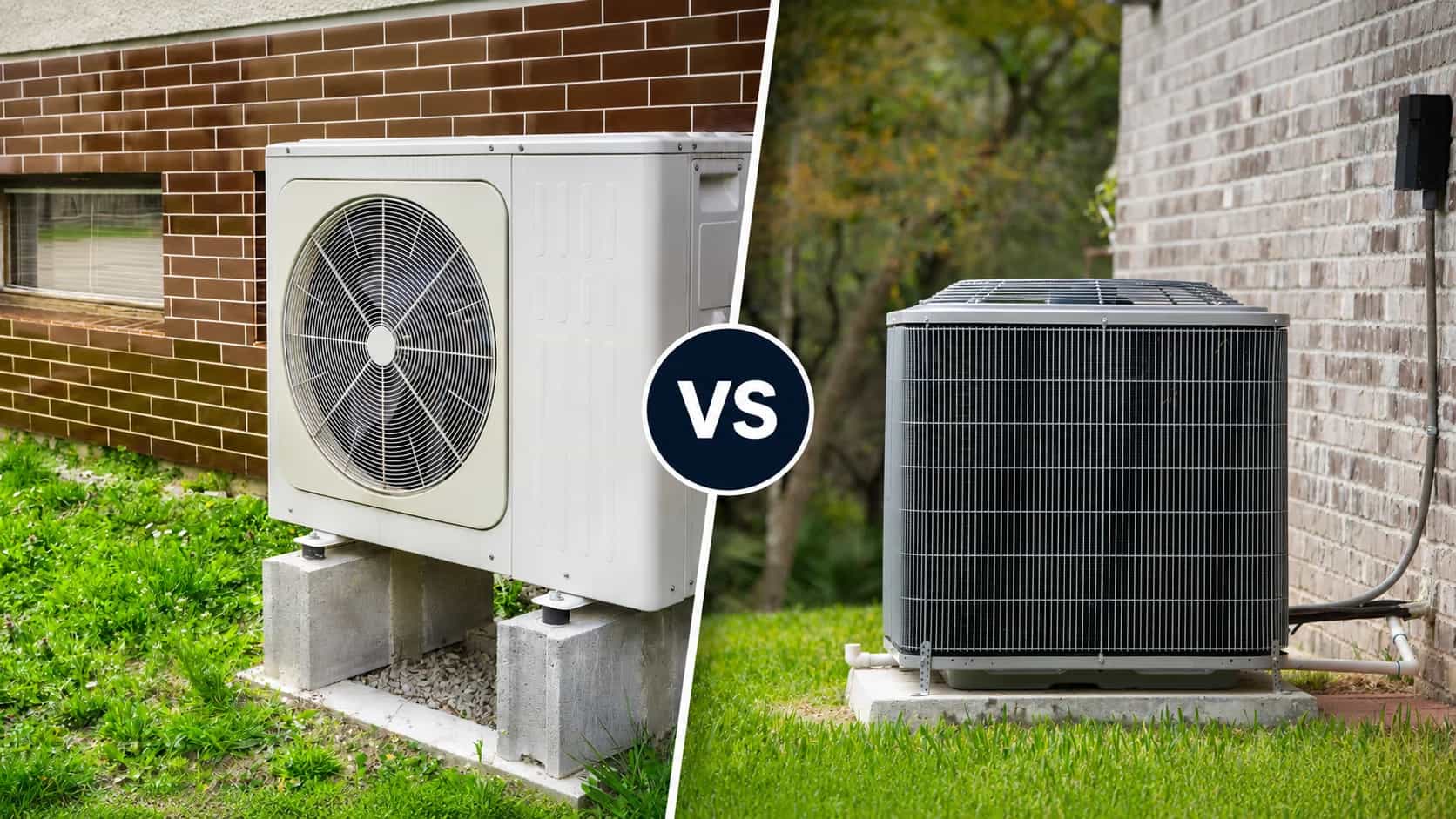
An ENERGY STAR certified tankless water heater uses approximately 30% less energy than a conventional storage tank, according to Natural Resources Canada. That figure reflects the elimination of standby losses and the higher combustion efficiency of modern gas units. (If you're also evaluating air conditioning upgrades, understanding SEER ratings can help you apply the same efficiency-first thinking across your home systems.)
The U.S. Department of Energy provides a wider range: 8–34% more efficient than storage tanks, depending on how much hot water a household uses. Homes that use less hot water (under about 160 litres per day) see the largest percentage gains, because the standby losses they're eliminating represent a bigger share of total energy use. High-use homes still save energy, but the percentage improvement is smaller.
This is where the conversation gets honest. A field study by the Center for Energy and Environment monitored homes alternating between storage and tankless heaters over two years. The tankless units reduced water-heating energy by about 37% — a strong result. But when they factored in the higher purchase and installation costs, the payback periods stretched to roughly 20–40 years.
That doesn't mean tankless is a bad investment. It means you need to evaluate the full picture: energy savings plus longer equipment life plus avoided tank replacement costs plus any available rebates. The savings are real. The payback timeline is just longer than the marketing suggests.
Water heating and space heating together account for roughly 80% of residential energy consumption in Canada. Improving your water heater's efficiency is one of the highest-impact upgrades you can make — not because any single year's savings will be dramatic, but because the cumulative effect over a 20-year lifespan is substantial.
The strongest financial case for tankless emerges when you combine several factors: you're replacing an aging tank anyway, your household uses a moderate amount of hot water, your local utility offers efficiency rebates, and you plan to stay in the home long enough to benefit from the operating cost reduction.