Understanding the Spectrum
Bed bug treatment is not a single decision. It is a spectrum that depends on infestation severity, housing type, and budget. Here is how to think about it:
What DIY Measures Can And Cannot Do
The containment actions described in the previous chapter — heat-laundering, vacuuming, bed isolation, decluttering — are not standalone treatments. They are support measures that reduce bite frequency, slow reproduction, and make professional treatment more effective. Canadian public health agencies are clear: bed bugs are very hard to eliminate and professional pest control is strongly recommended for confirmed infestations, especially in multi-unit buildings.
Additional DIY support steps include:
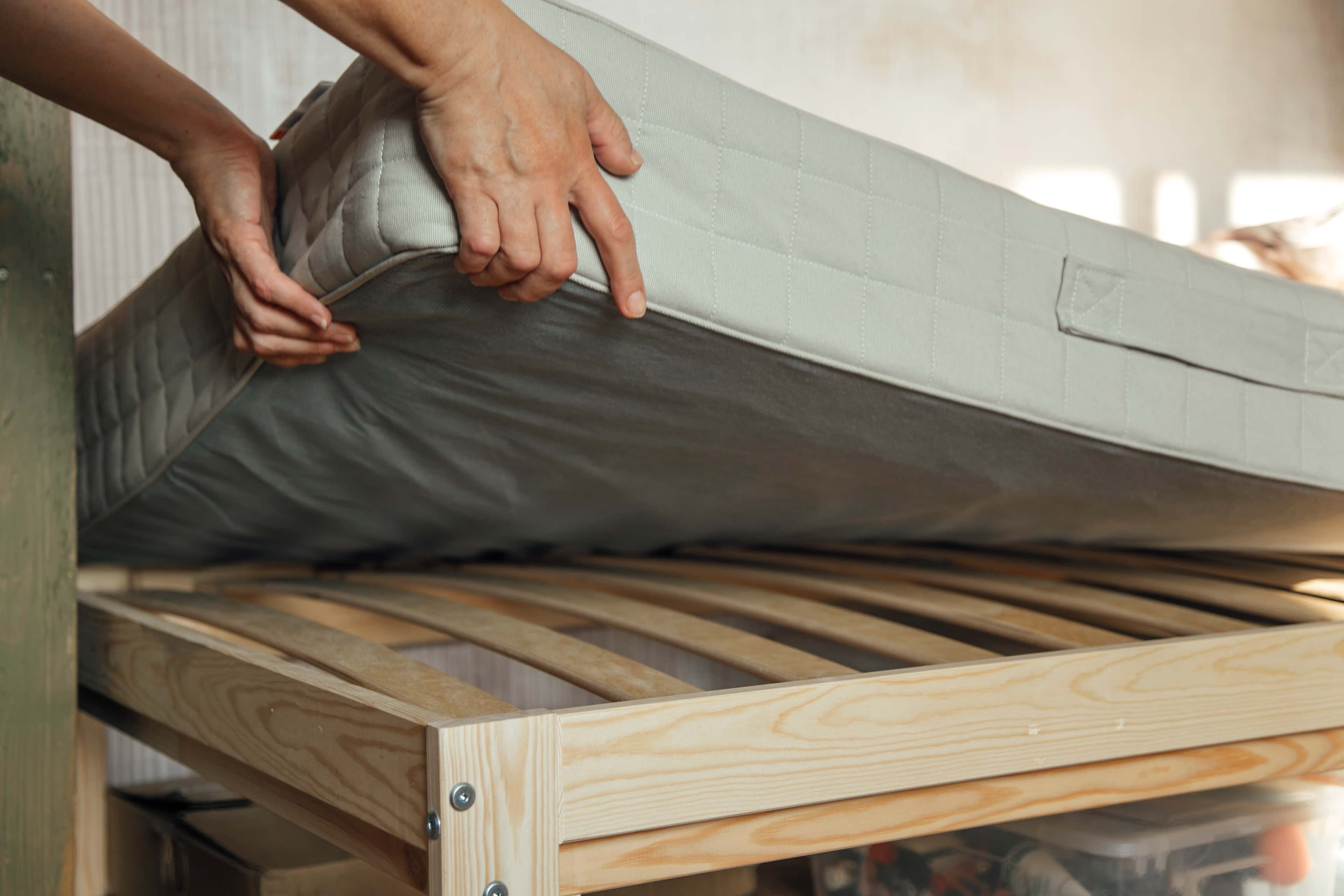
- Mattress and box spring encasements: Fully encase both in zippered, bed-bug-rated covers. Tape over the zipper gap. Health Canada recommends leaving encasements on for at least a year to ensure any trapped bugs die.
- Bed leg interceptors: Commercially available cups that fit under each bed leg, trapping bugs that climb up or down. They also serve as a monitoring tool — check them regularly for new captures.
- Crack and crevice sealing: Use caulk to seal gaps in baseboards, bed frames, and furniture joints. Fewer hiding spots means fewer harbourage sites.
- Steam treatment: A garment or upholstery steamer that produces steam above 100°C can kill bed bugs and eggs on contact. Move the nozzle slowly — approximately 2.5 cm per second — to ensure sufficient heat penetration. This is effective for mattress surfaces, box spring fabric, and upholstered furniture seams.
What Professional Treatment Involves
The initial inspection visit. A licensed pest control operator will inspect the home, confirm the infestation, assess severity, and recommend a treatment plan. Some companies use trained detection dogs for faster inspection in multi-unit buildings. Expect the operator to ask about your observations, examine the bed and surrounding furniture, and check adjacent rooms.
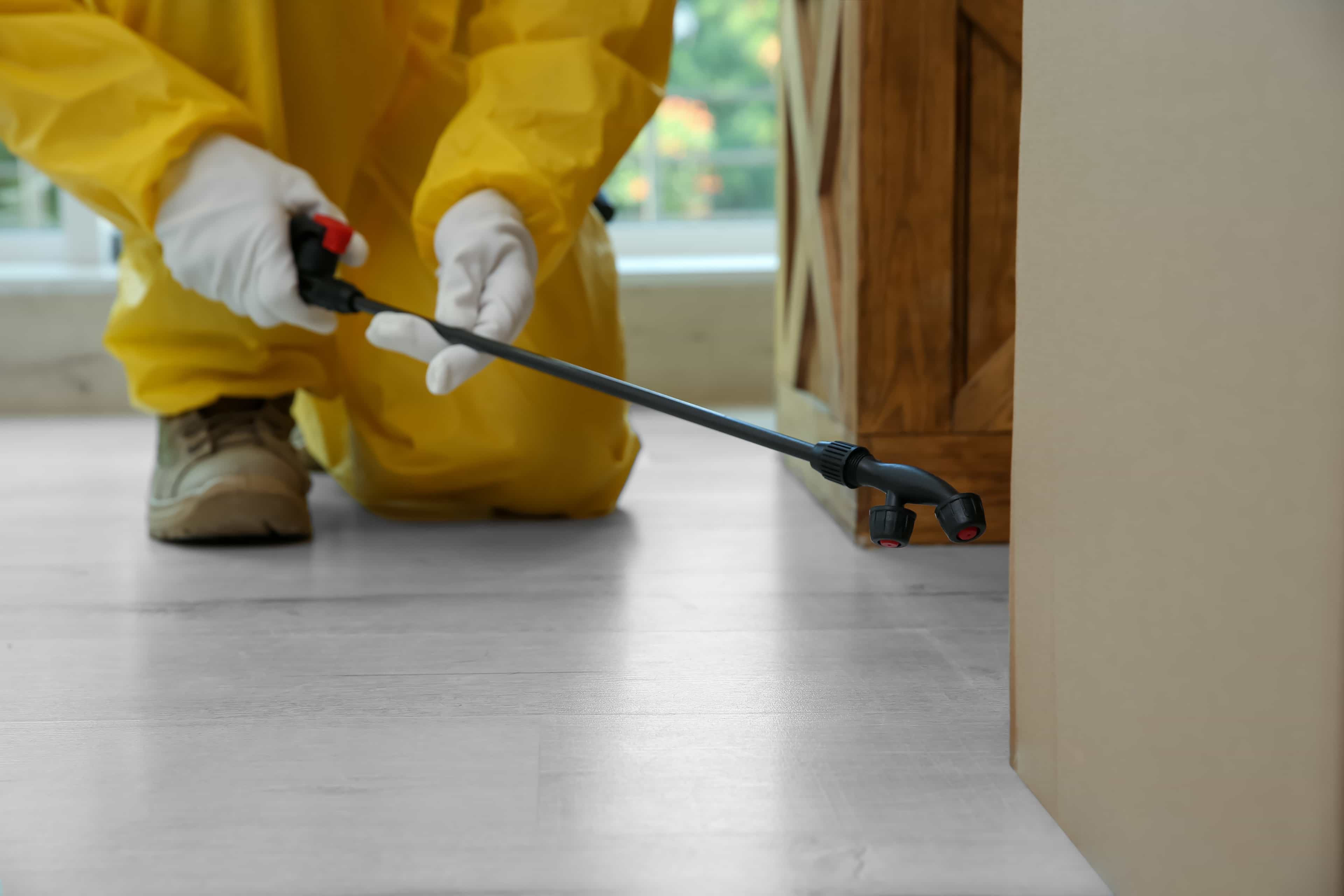
Chemical treatment. The operator applies targeted insecticides — typically a combination of liquid or aerosol sprays for exposed surfaces and dusts (such as diatomaceous earth or silica gel) for cracks and crevices. Treatment is directed at harbourage sites, not broadcast across the room. A second treatment is usually scheduled 10–14 days later to catch any nymphs that have hatched from eggs since the first application, because most insecticides do not kill eggs. Some infestations require a third visit. Estimated cost in Canada: $300–$1,500, depending on severity and property size.
Heat treatment. The operator raises room temperature to approximately 50–60°C using industrial heaters and fans, maintaining lethal temperatures for several hours. Heat kills all life stages — including eggs — in a single session. However, it provides no residual protection against re-introduction. Estimated cost in Canada: $1,200–$4,000+, depending on the size of the treatment area.
Integrated Pest Management (IPM). Canadian municipal and provincial resources recommend IPM as the best approach. IPM combines prevention, monitoring, physical controls, targeted chemical application, and ongoing assessment. It is not a single visit — it is a strategy. The pest control operator adjusts tactics based on results, and the homeowner continues support measures (laundering, vacuuming, monitoring interceptors) between professional visits.
Setting Realistic Expectations
- Timeline to clearance: Chemical treatment typically requires 2–4 weeks with follow-up visits. Heat treatment can resolve the active infestation in a single day, but monitoring should continue for 4–6 weeks to confirm no survivors.
- You may still see activity after the first treatment. This is normal with chemical treatment, especially in the first week. Bugs that were hiding deep in wall voids or other inaccessible areas may emerge. The follow-up visit targets these survivors.
- Your cooperation matters as much as the treatment. Preparing the space properly before treatment — laundering, decluttering, vacuuming — directly affects how well the treatment works. Follow your operator's preparation checklist precisely.
- Re-introduction is a separate risk from treatment failure. If you live in a multi-unit building, travel frequently, or acquire second-hand furniture, ongoing monitoring is essential even after successful treatment.
After Treatment: Long-Term Prevention
Health Canada recommends these ongoing measures:
- Keep mattress and box spring encasements on for at least one year
- Continue regular vacuuming of bed frames, baseboards, and furniture
- Use light-coloured sheets to make new fecal spots or blood stains visible
- Check bed leg interceptors weekly for the first month, then monthly
- Inspect luggage and clothing after travel — vacuum suitcases and hot-dry all clothing, including items you did not wear
- Inspect any second-hand furniture, mattresses, or electronics carefully before bringing them into your home
When returning from travel, Health Canada advises inspecting hotel rooms before unpacking (check mattress seams and headboard), keeping luggage off beds and floors (use the luggage rack or bathtub), and on returning home, vacuuming luggage and washing all trip clothing — dirty and clean — on hot with a minimum 30-minute hot dryer cycle.