No. Unlike lice or scabies mites, bed bugs do not live on the human body. They feed for a few minutes and then retreat to a nearby hiding spot. You may find them on clothing, but they do not burrow into skin or attach to hair.


No. Unlike lice or scabies mites, bed bugs do not live on the human body. They feed for a few minutes and then retreat to a nearby hiding spot. You may find them on clothing, but they do not burrow into skin or attach to hair.
They are primarily nocturnal feeders, but they will feed during the day if they are hungry and a host is present — for example, if someone naps on an infested couch in the afternoon. Darkness is a preference, not a requirement.
It is possible but uncommon. Bed bugs are most commonly spread through prolonged contact with infested furniture, luggage, or clothing. A brief sit on a bus seat is lower risk than staying in an infested hotel room or bringing home a used couch.
Not necessarily. In many cases, a combination of thorough vacuuming, steam treatment, and encasement can make the mattress safe to use during and after treatment. Discarding furniture should be a last resort, and if you do, wrap and label it properly to prevent spreading bugs to others.
In Canada, pest control operators should hold a valid provincial licence. Ask for their licence number, proof of insurance, and references. Check whether they are members of a professional association such as the Canadian Pest Management Association. Be cautious of operators who guarantee complete elimination in a single visit — that is rarely realistic.
Adult bed bugs can survive several months without a blood meal under favourable conditions, and some research suggests up to a year in cool, low-humidity environments. This is why Health Canada recommends leaving mattress encasements on for at least 12 months.
There is no scientific evidence that essential oils, ultrasonic devices, or other "natural" repellents effectively control bed bug infestations. Relying on these methods delays effective treatment and allows the infestation to grow.
Canadian public health agencies consistently confirm that bed bugs are not known to transmit diseases to humans. The main health impacts are skin reactions (ranging from none to itchy welts), secondary infections from scratching, and significant mental health effects including anxiety and insomnia.
Notify your landlord or property manager immediately. In multi-unit buildings, adjacent units should also be inspected because bed bugs travel through wall voids, electrical conduits, and plumbing chases. Coordinated treatment across affected units is far more effective than treating one unit in isolation.
Each has strengths. Heat treatment kills all life stages in a single session but costs more and provides no residual protection. Chemical treatment is more affordable but typically requires multiple visits because most products do not kill eggs. Many pest control professionals recommend combining both approaches within an IPM framework.
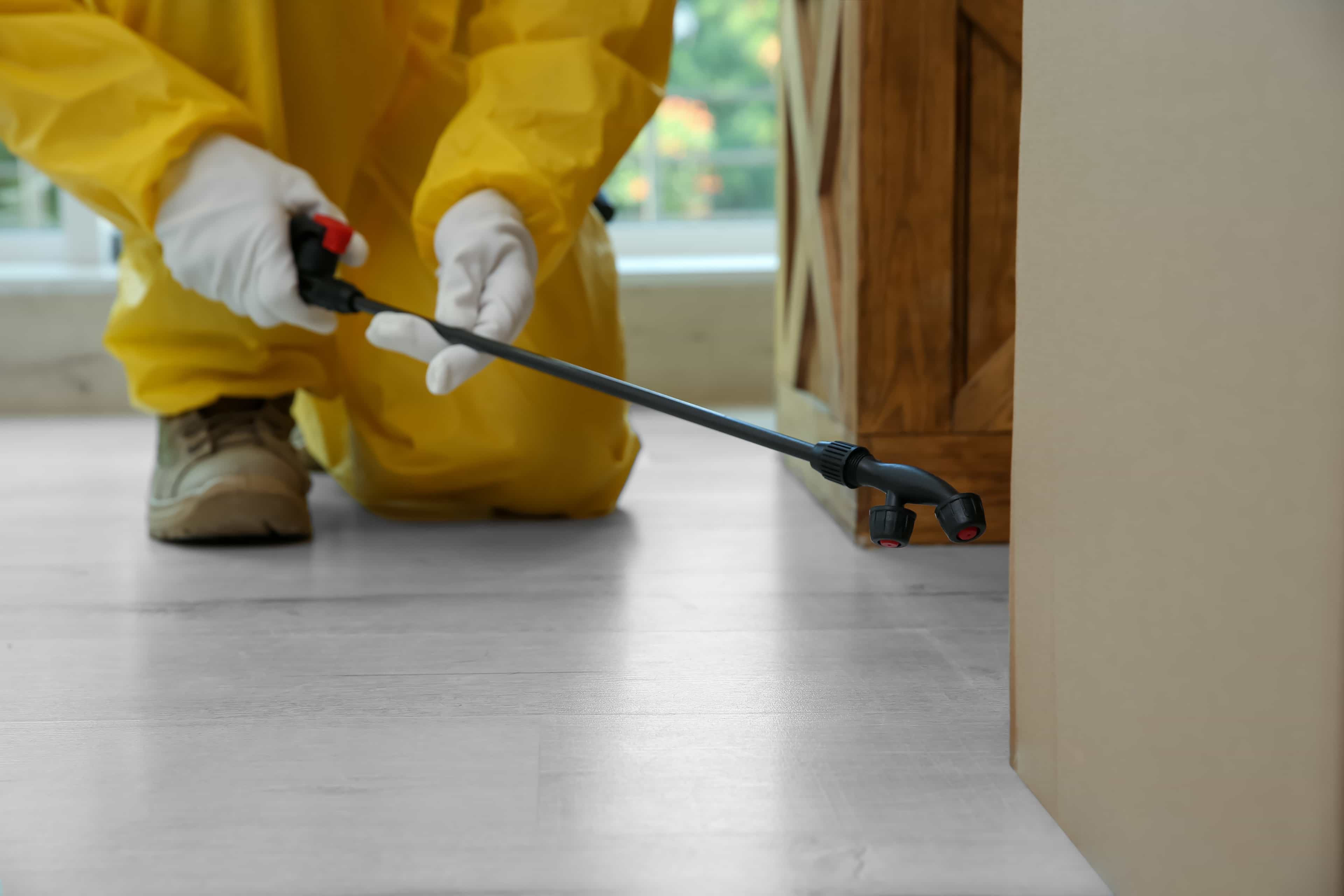
Your pest control operator will provide a specific preparation checklist. Common requirements include laundering and bagging all bedding and clothing, decluttering the treatment area, vacuuming thoroughly, and ensuring the operator has clear access to walls, baseboards, and furniture. Follow the checklist exactly — incomplete preparation reduces treatment effectiveness.
Bed bugs are cold-tolerant but not cold-proof. Sustained exposure to temperatures below -18°C for at least four days can kill them, but most household freezers may not reach or maintain that temperature consistently. Freezing individual items (in sealed bags) can work for small objects, but it is not a practical whole-room treatment strategy.
Landlord-tenant responsibilities for pest control vary by province and territory. This guide does not cover legal or tenancy disputes — contact your provincial tenant advocacy organization or landlord-tenant board for guidance specific to your situation.
Follow your pest control operator's timeline. For chemical treatment, treated surfaces typically need to remain undisturbed for several hours to a full day. Items stored in sealed bags can be returned once the operator confirms it is safe. Continue using encasements and interceptors as ongoing monitoring tools.
You can significantly reduce your risk but cannot guarantee complete prevention. Regular inspection of sleeping areas, careful handling of second-hand furniture, proper luggage management during travel, and awareness of the signs of infestation are the most effective prevention measures. Early detection is the best defence — a small, contained infestation is far easier and cheaper to treat than an established one.