A Health-Hazard Particle That Doesn't Stop at the Front Door
PM2.5 — particles 2.5 micrometres or less in aerodynamic diameter — is the focus pollutant for wildfire-smoke health messaging because it can stay airborne for days to weeks and travel long distances, and because it carries a substantial health burden when it does. Health Canada has documented that indoor PM2.5 in Canadian homes comes from both indoor activities (cooking, cleaning, smoking) and infiltration of outdoor air, with baseline indoor concentrations typically below 15 µg/m³ in non-smoking homes, per Health Canada's PM2.5 residential indoor-air guidance. On smoke days, the outdoor contribution to that indoor load goes up sharply.
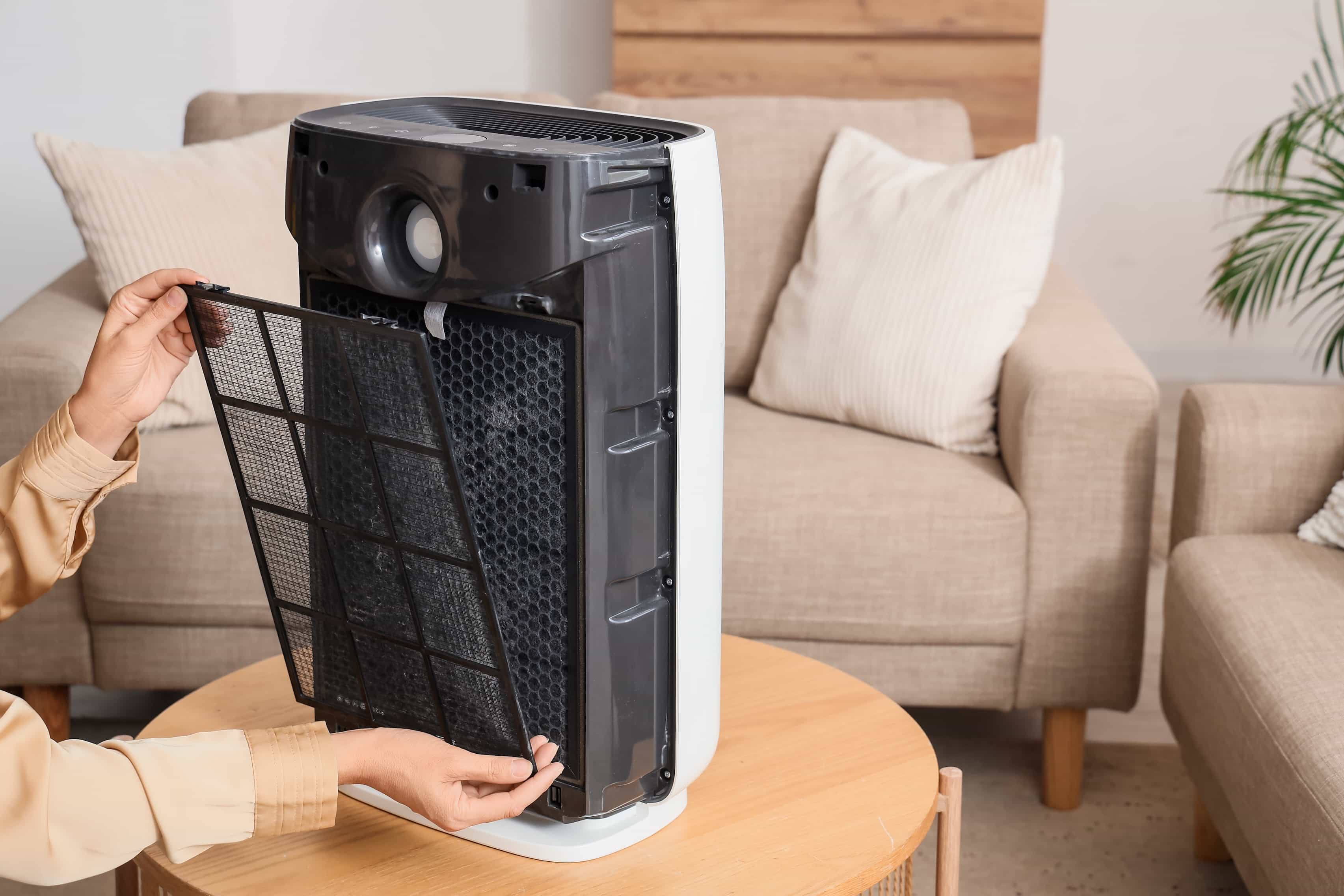
How sharply depends on the house. A 2026 National Collaborating Centre for Environmental Health evidence review of wildfire-smoke infiltration found that during smoke episodes, median indoor PM2.5 reached about 31.5 µg/m³ versus 37.4 µg/m³ outdoors — an indoor/outdoor ratio of 0.75 and a median infiltration factor of 0.45. The same review documented that tighter building envelopes reduced infiltration by 68%, leakier ones only by 31%, and that high-efficiency HVAC systems and fan-filter units using MERV 13 filters cut indoor PM during smoke events by between 40% and 95% depending on the building. The headline numbers are clear: a home is a meaningful but partial filter against outdoor smoke, and the filter's quality depends on three things the homeowner can influence — envelope tightness, window state, and whether the active filtration system is set up to do real work.
PM2.5 is also linked to elevated risk of stroke, heart disease, and acute respiratory illness in Canadian populations. The June 14 FireWork forecast is, at the household level, a forecast of how much of that load is going to attempt to enter the building.