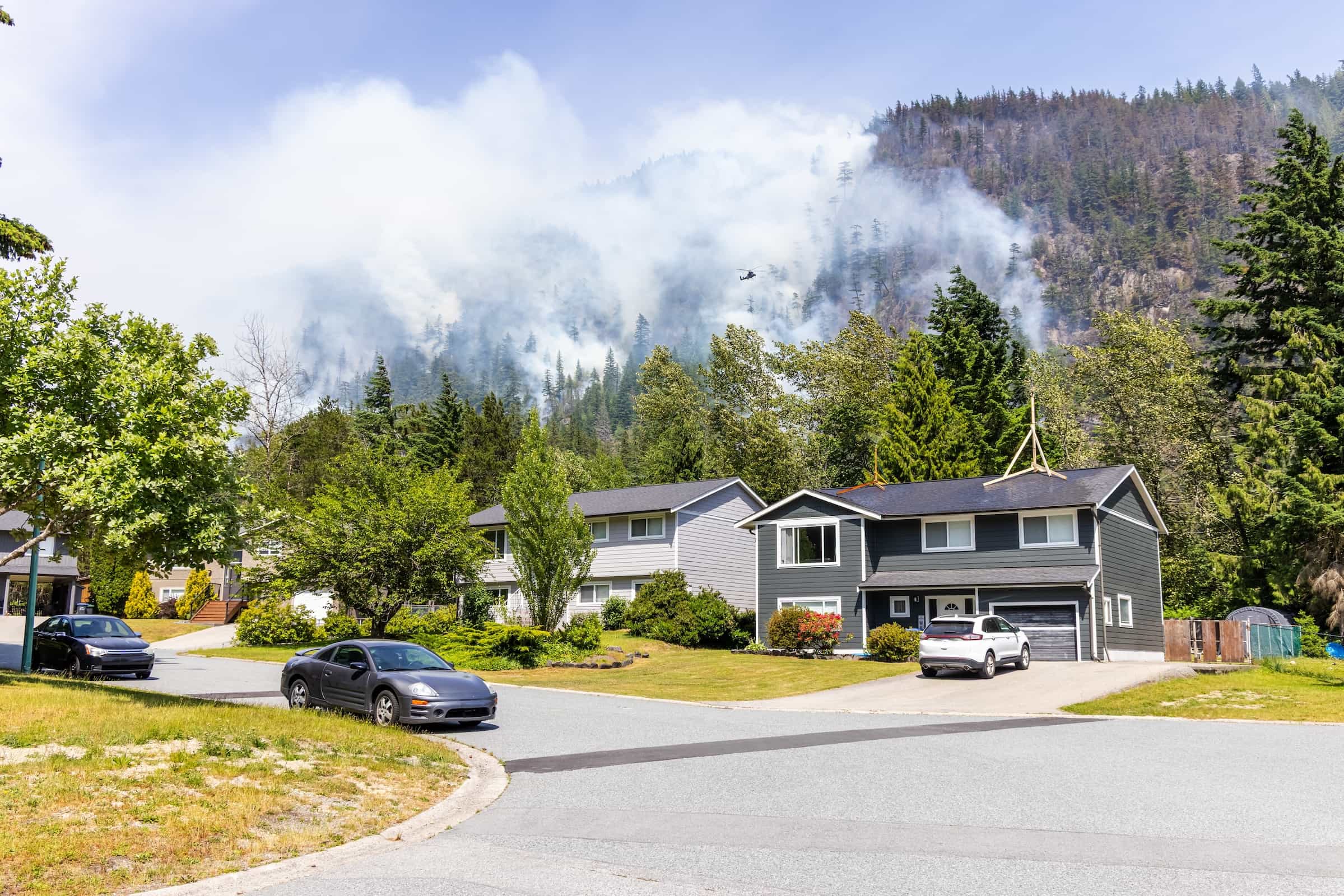
The B.C. bulletin explicitly tells homeowners and renters to confirm that their policy includes wildfire coverage, with a direct pointer to the Insurance Bureau of Canada for follow-up questions. The reason that instruction has urgency, rather than being routine maintenance, is the underwriting reality behind it.
The Insurance Bureau of Canada is clear that during major weather events, insurers may impose temporary limitations on the sale of new coverage in areas under imminent threat, and consumers trying to change coverage levels during those events may face difficulties. Existing policies generally continue to renew, but the window to add coverage, raise limits, or buy new policy features can narrow or close once a fire is active nearby. That is why a policy review at a calm moment is materially different from a policy review during an evacuation alert.
A reasonable checklist for the call:
- Confirm wildfire is covered as an insured peril under your home or tenant policy.
- Review your dwelling limit, contents limit, and additional living expense (ALE) limit. Replacement cost on a build in 2026 is not what it was when most policies were originally written.
- Confirm whether your policy has any wildfire-specific exclusions, deductibles, or co-insurance provisions.
- Ask what supporting documentation the insurer expects in a wildfire claim — typically photos, receipts, and a home inventory.
Documentation is the second half of this work and the half most households skip. The Insurance Bureau of Canada's standing guidance is to maintain a current home inventory; keep bills, receipts, warranties, and manuals for valuable possessions; store records safely or in a secure online location; review the inventory annually; and take photographs or video of valuable items. The reason this matters in practice is not record-keeping aesthetics — it is claims speed. Insurers may ask for receipts, photos, and inventory lists to help process a loss. If you have them already, the claim moves. If you do not, it stalls.
A weekend home walkthrough with a phone is a usable minimum standard. Every room. Every closet. Open the cabinets. Pull out the high-value items and shoot them individually. Send the file to a cloud location and to a second person. That is the documentation insurers want to see.