The Practical FireSmart Prep Most Homeowners Can Do Before Peak Season
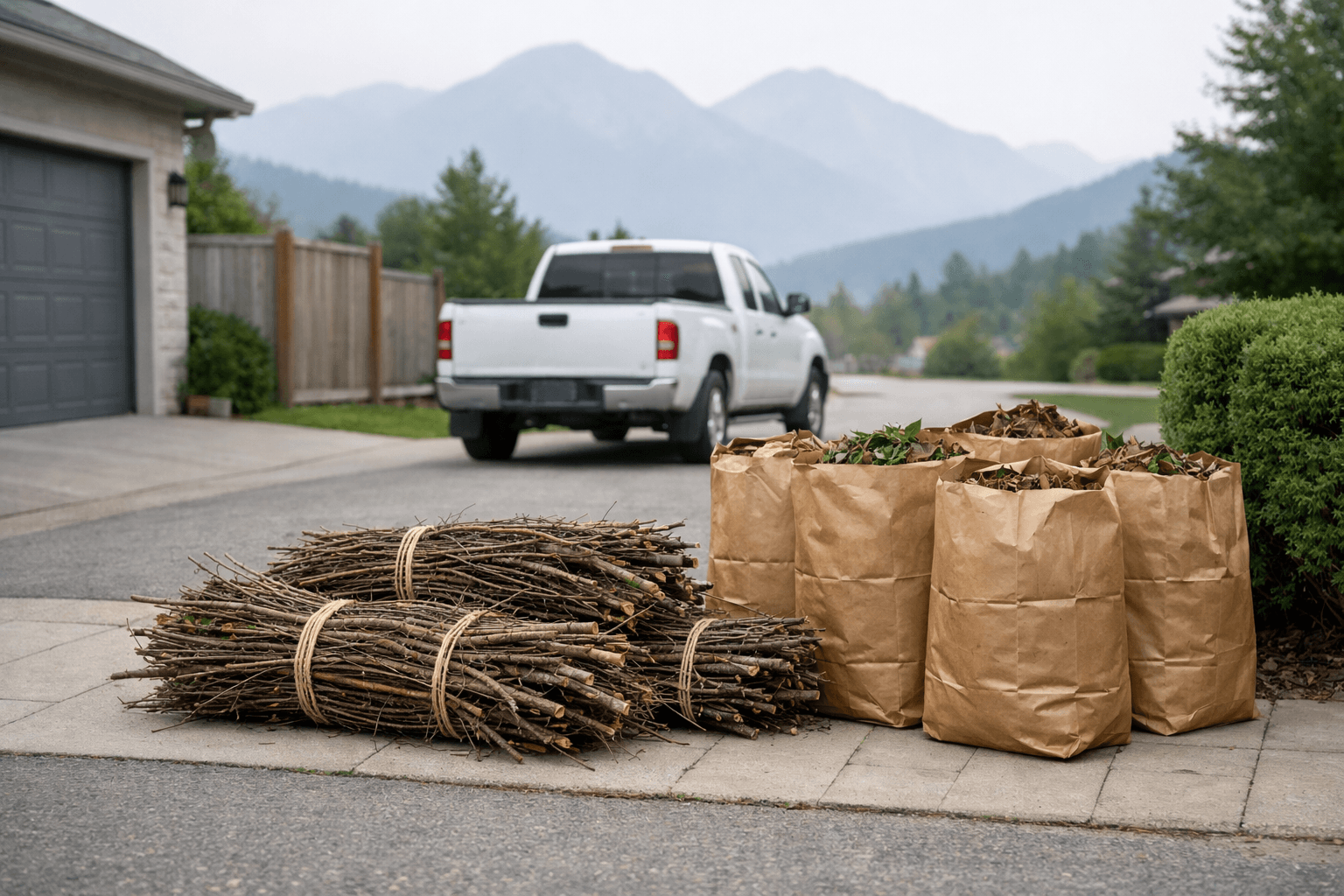
With wildfire season opening in March, a homeowner-friendly way to think about timing is: do the simplest, most repeatable tasks early, then maintain them. That’s especially true for items that can change quickly with spring winds and yard clean-up.
A practical early-season checklist (without drifting into a DIY construction guide) usually centres on:
- Combustibles within 10 metres
- Move woodpiles, extra lumber, cardboard, and stored materials away from the house
- Keep patios and decks clear of easily ignitable clutter during high-risk periods
- Roof and gutter hygiene
- Remove needles, leaves, and debris that can ignite from embers
- Clear valleys, edges, and downspouts where debris accumulates
- Immediate zone clean-up (right beside the house)
- Reduce “fine fuels” like dry grass, leaf litter, and bark mulch against the foundation
- Keep that strip simple and easy to maintain
- Access and basics
- Ensure house numbers are visible from the road
- Make sure gates and driveways are usable for emergency access
- Keep hoses, taps, and exterior water access points functional
These aren’t glamorous tasks, which is exactly why they work as a community standard: they’re achievable, repeatable, and they lower risk without requiring homeowners to agree on aesthetics or major spending.
Why Insurance Is Becoming Part Of The Wildfire Conversation
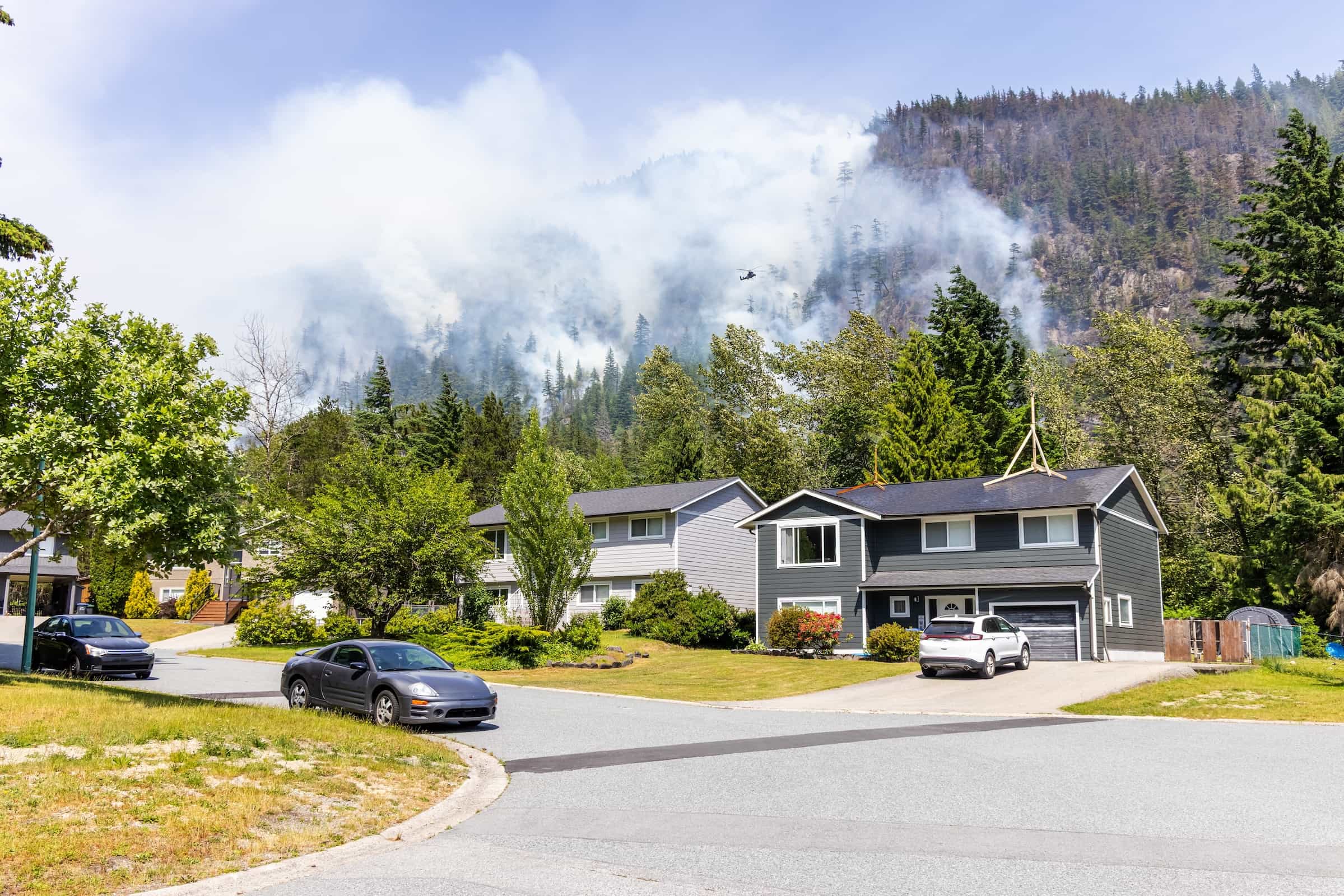
It’s important to be careful—and accurate—here: wildfire mitigation does not guarantee a specific insurance outcome. Underwriting varies by insurer, region, and loss experience. But the direction of travel is increasingly clear across Canada: insurers are paying closer attention to climate-related peril exposure, and wildfire-prone locations are one of the most visible pressure points.
One reason homeowners are hearing more about “defensible space” and property condition is that these factors are legible to underwriters: they’re observable, they correlate to loss severity, and they can be documented. In other words, they translate a complex, landscape-level hazard into a set of property-level signals.
Industry research also reflects this shift toward more formalized wildfire scrutiny. A survey summary published by Opta Insurance highlights how insurers and underwriters are assessing wildfire risk and mitigation expectations in Canada in its fire underwriters survey, which helps explain why some homeowners are seeing more questions, inspections, or documentation requests tied to fire exposure.
For a homeowner, the practical implication isn’t to panic-shop a policy. It’s to assume that the “basic condition” of your home and yard—especially in higher-risk zones—may get more attention than it did five or ten years ago. That can show up as:
- Requests for updated property details (roof condition, exterior materials, outbuildings)
- Questions about proximity to fuels and whether mitigation has been completed
- A heavier emphasis on maintenance-related hazards (debris, storage, yard condition)
- More conservative renewals in areas that have had major losses or near-misses
If you live in or near a forested area, the most realistic mindset is: wildfire mitigation is becoming part of normal homeownership administration, similar to how roof age, plumbing type, or electrical updates have long been part of insurance conversations.