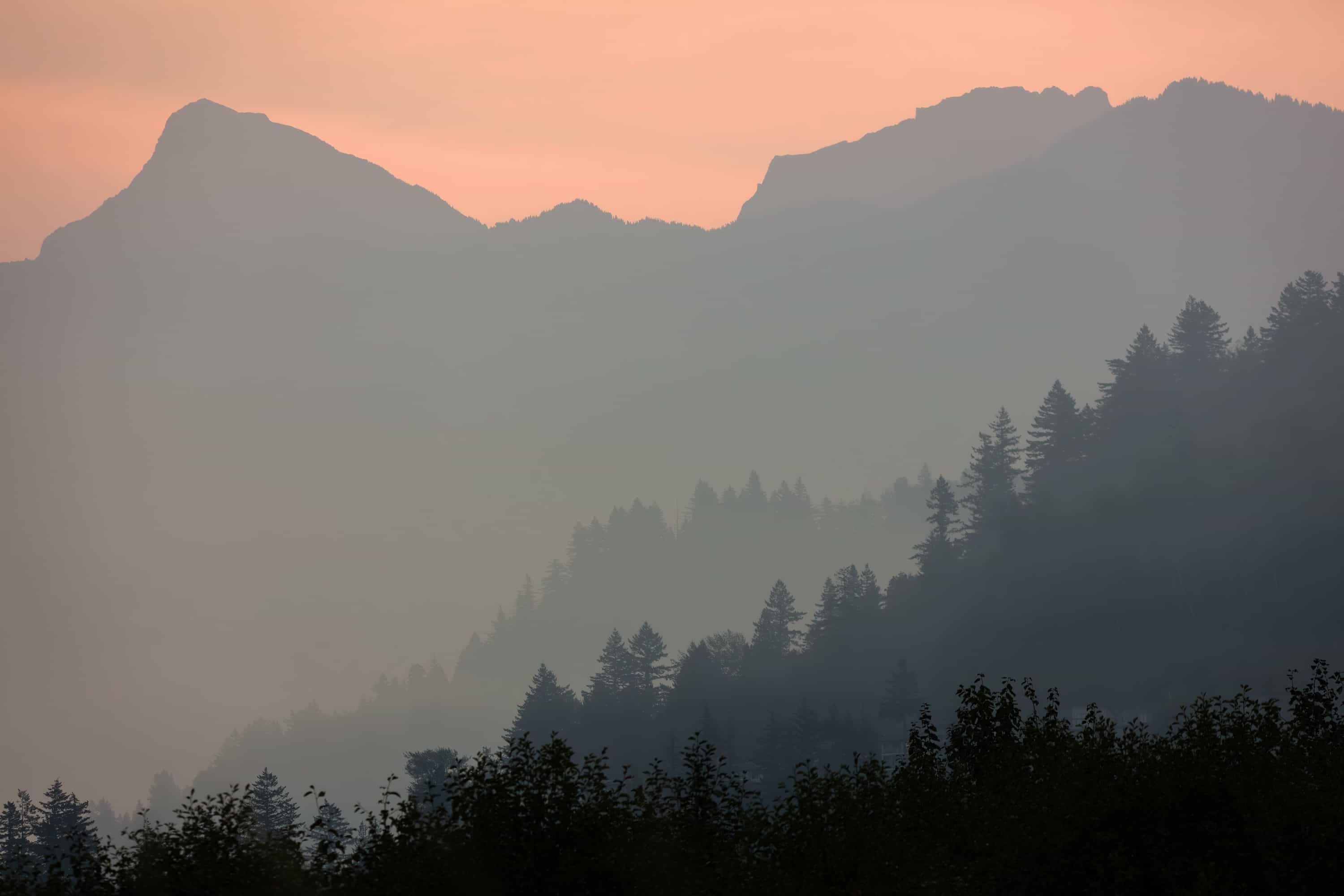
On August 12, 2026, British Columbia officials stood in front of a fire map with 102 active wildfires on it and pointed, instead, at a lake. Okanagan Lake had fallen to its lowest recorded level since the province began tracking, and the Bald Range fire near Summerland had grown past 184 square kilometres, forcing roughly 20,000 residents out under 11 evacuation orders and seven alerts while B.C. sat under a provincial state of emergency. The immediate crisis is real. But the line that matters most for anyone renewing a home policy came from the water minister, not the fire line.
Her warning was about next year. Without a substantial recharge of water levels, she said, the province could enter the 2027 season in even worse shape. That single forward-looking sentence is the difference between a news recap and a renewal-season signal — because insurers do not price the fire you can see today. They price the risk they expect tomorrow, and a multi-year drought is exactly the kind of leading indicator that shows up in a quote long after the smoke clears.
This is not a fire-by-fire update, and it is not a retrofit manual. It is a plain-language read on what a season like this one actually does to a standard Canadian homeowner policy: what an evacuation order triggers, what you should document before you leave rather than after, and why a loss year in one province can move a renewal in another. Whether you live in Summerland or Sudbury, the mechanics are worth understanding before your own renewal notice arrives.