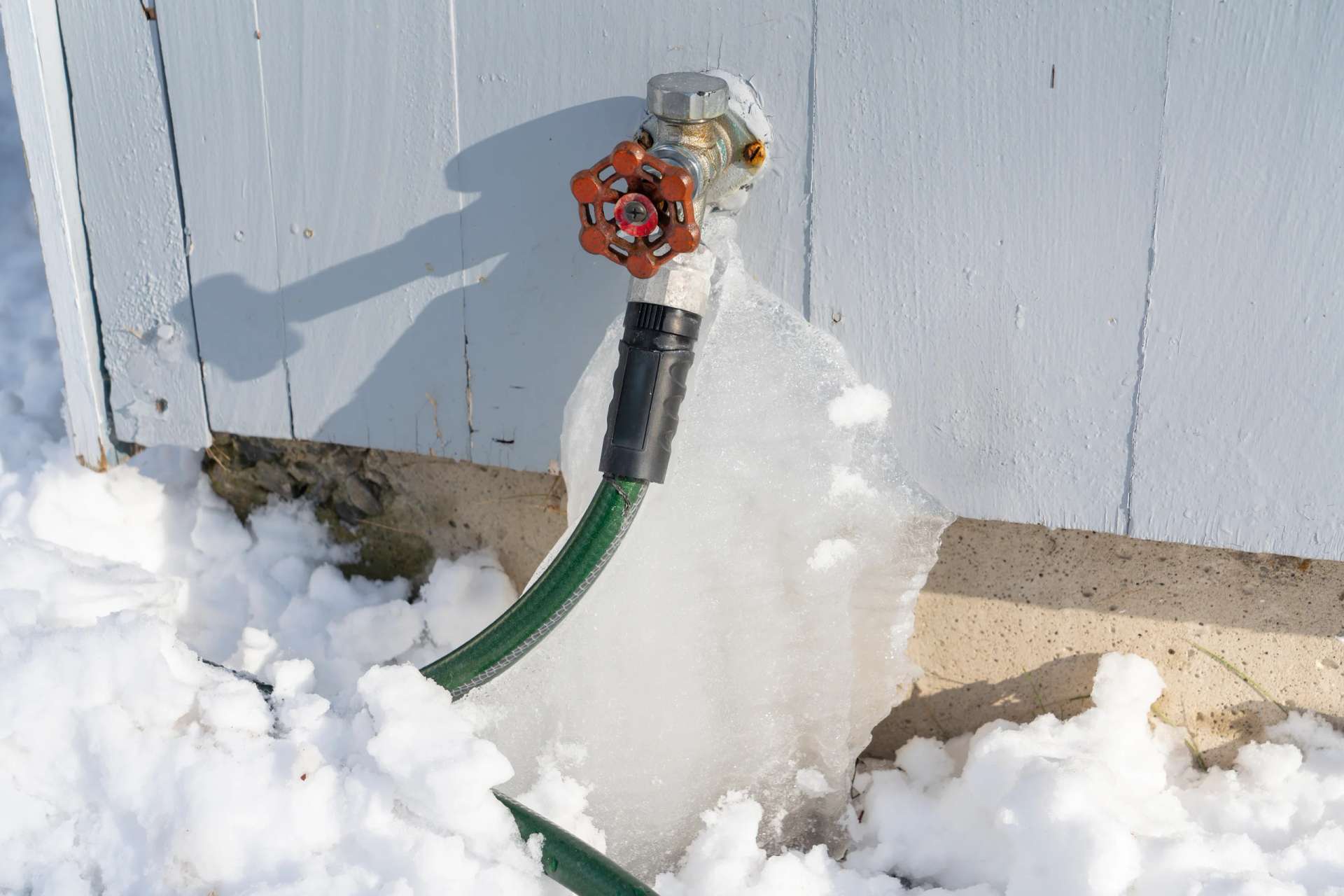
Everything in this section is ground-level work, finished before the first drop freezes. Nothing here involves a roof, a chainsaw or a power line.
Drainage: work from the ground
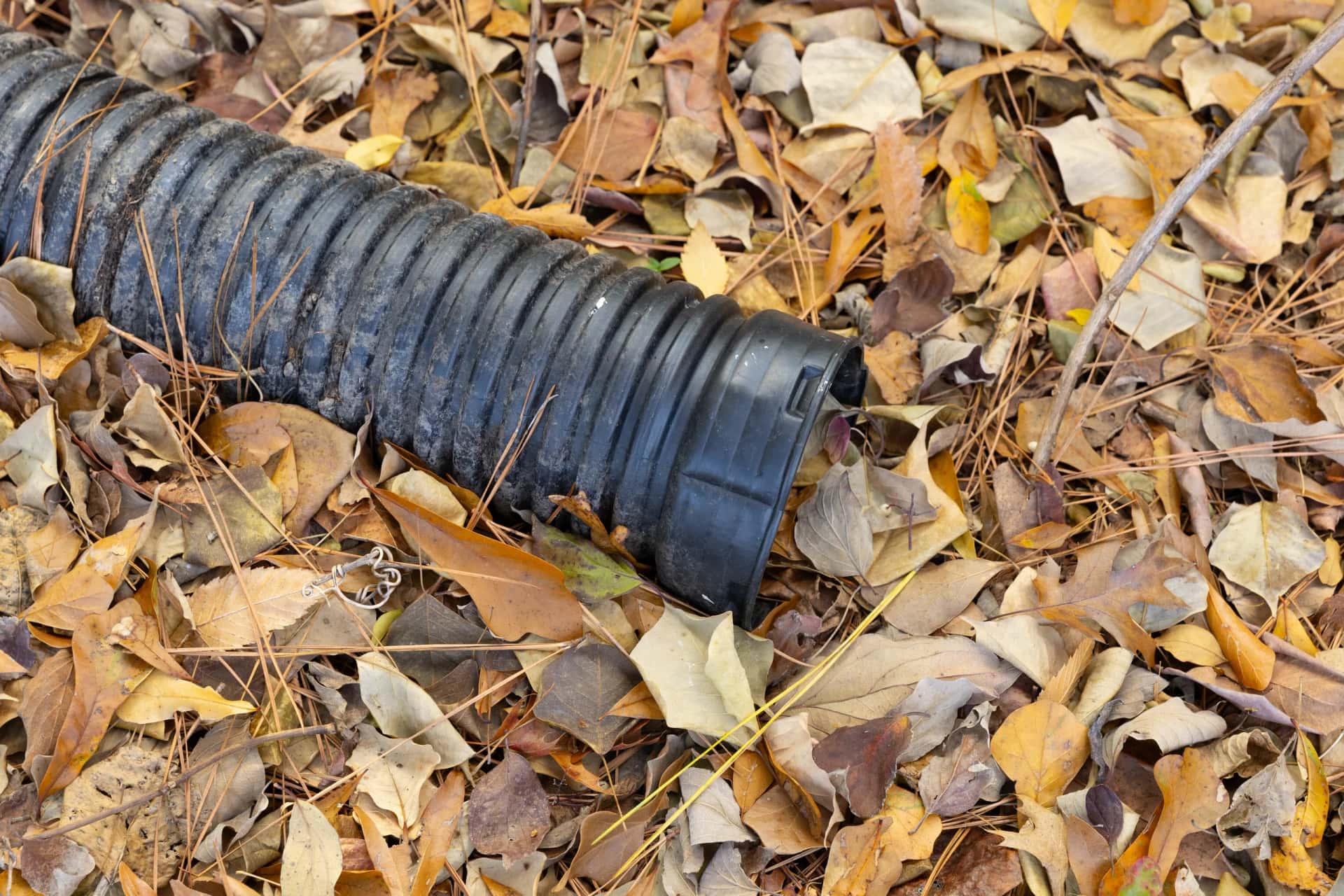
The goal is simple. When the ice softens on Friday, water from the roof must leave the house, not collect beside it. Walk the perimeter with a flashlight. Clear leaves from each downspout outlet and splash pad, and attach extensions so discharge lands well away from the foundation. Public Safety Canada's flood guidance sets the target at about 2 metres from your home and your neighbours' homes.
Blocked eavestroughs matter for a second reason. The Insurance Bureau of Canada names debris-filled eavestroughs as one of three factors behind ice dams, where water backs up and refreezes at the eaves. Freezing rain alone doesn't create an ice dam. A trough full of November leaves, frozen solid, is where the refreeze starts.
If a trough is visibly packed, the only safe fix tonight is from a ladder on firm, level ground, in daylight, with someone holding it. If it's already dark, leave it. A full trough is a repair problem. A fall from a wet ladder is a hospital problem.
Sump pump: the five-minute test
Pour a bucket of water into the pit. The pump should start, empty the pit and stop, and the discharge should leave the house through a clear outside outlet, not one frozen shut. Public Safety Canada's sump pump guidance recommends checking the pump during rapid ice melt and during power outages specifically, which describes Friday.
If you have a battery backup, confirm the alarm isn't sounding and that the battery is charged. If you don't have one, think about what happens if the power is out for several hours on Friday afternoon while the ice melts. Moving boxes and valuables off the basement floor tonight costs nothing.
Vehicles: move them tonight
Hydro One's ice-storm guidance is direct: ice weighs down tree limbs, and heavier branches can fall and damage power lines, cars and houses. Look up before you park. Move vehicles out from under mature trees, away from hydro lines, and into the garage if there's room.
There's also an insurance reason. A branch on your car isn't a home insurance claim. More on that below.
CO alarms: test every storey
Press the test button on every carbon monoxide alarm in the house. This is the first winter under Ontario's expanded rule. Since January 1, 2026, Ontario's Fire Code requires homes with a fuel-burning appliance, fireplace or attached garage to have a CO alarm on every storey, including storeys with no bedrooms, as well as next to each sleeping area. If your basement or main floor doesn't have one, that's tonight's shopping list.
Then step outside and find the exhaust and intake vents for your furnace and water heater. They're usually low on an exterior wall. Make sure nothing is stacked against them. Freezing rain can glaze a vent cap, and a blocked vent lets carbon monoxide back up into the house.
Finally, look after the people. If an older neighbour or relative lives alone in the warning area, call them tonight and agree on a time you'll check in on Friday.
If you'd like the longer outage-kit version of this list, it's in Winter Storm Season Opens: The 30-Minute Outage and Snowfall Prep Checklist for Canadian Homes.