The Clean-Feeling Difference
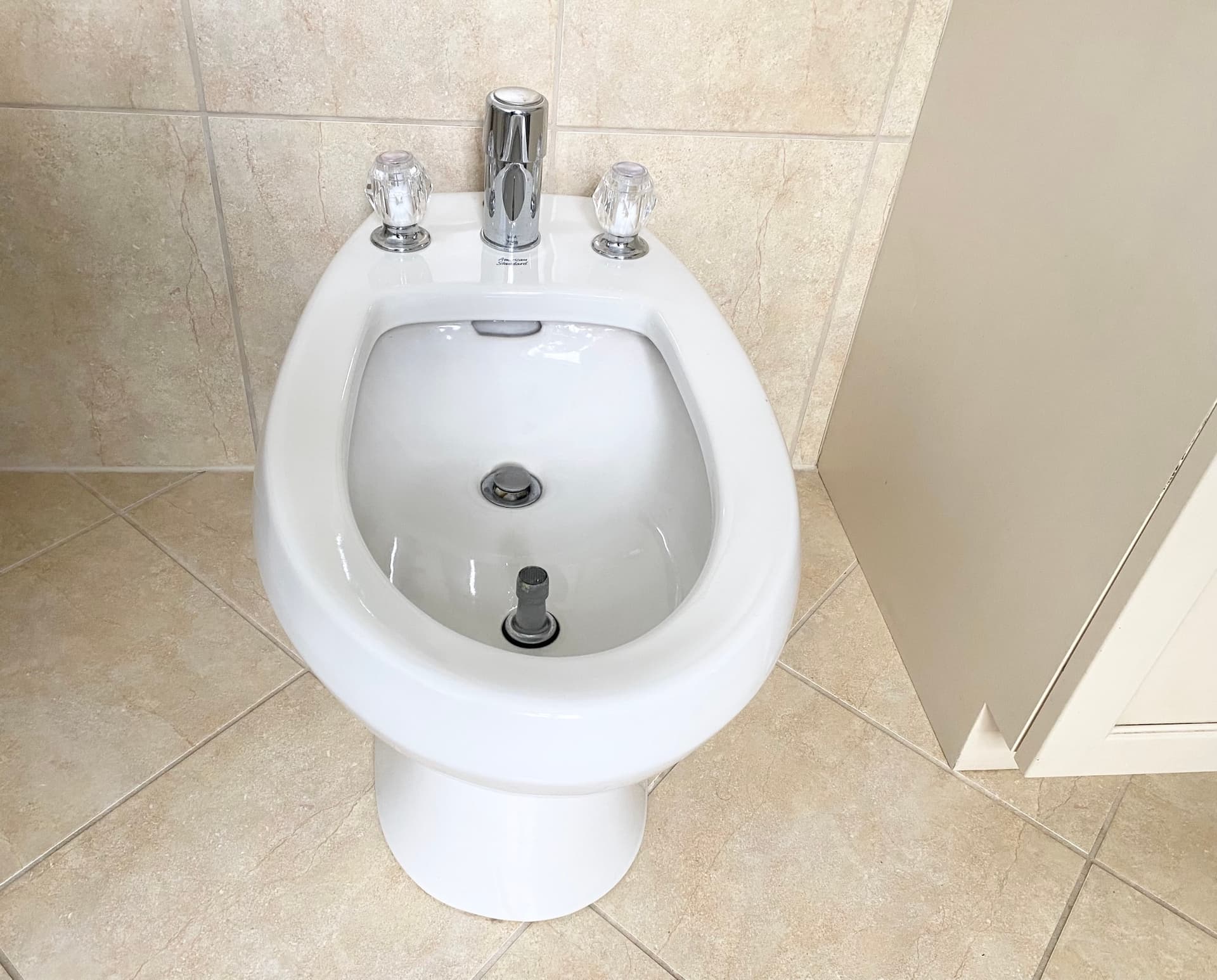
Warm water, adjustable pressure, a gentle pat dry with a bit of toilet paper — you finish feeling the way you'd feel after a quick shower rather than the way you feel after a tissue. Most modern bidet seats sold in Canada, including our Moen, let you tune the spray position, pressure, and sometimes oscillation, which sounds clinical on a product page but just means you get it dialled to what works for you and then stop thinking about it.
An Unexpected Parenting Win
Nobody told me a bidet would be useful for parenting, and I probably wouldn't have believed them if they had. But it has been. Our kids love it. The warm water, the buttons, the small sense of control over their own bathroom routine — they're into all of it. More importantly, it's been a quietly excellent tool for making sure they're actually clean after using the bathroom. Kids, especially younger ones, are famously inconsistent wipers. A bidet makes thorough cleanup something the water does for them, which means fewer reminders to wash their hands and try again.
I don't want to overclaim this — it's not a miracle hygiene device for children. But in a household where "did you clean up properly?" has come up more times than I can count, having a bidet has taken a small parenting annoyance and quietly made it go away. That's the kind of unsung benefit that doesn't make it onto product pages but absolutely shapes daily life.
A Real Dent In Our Toilet Paper Spend
I won't pretend I tracked this with a spreadsheet, but our toilet paper consumption has obviously fallen. We buy it less often. The big Costco pack lasts measurably longer. We unclog things almost never — less toilet paper going down the bowl means fewer occasions for the running-toilet or partial-clog nuisance that most homeowners deal with a few times a year.
Some advocacy groups like the NRDC suggest bidet users can cut their toilet paper consumption by 75 percent or more, which would have struck me as implausible before we owned one. Now I can see how they get there. You still use a little, but a "little" is very different from "a lot."
There's also the pandemic memory, which I suspect is part of why I even became willing to consider the bidet on its merits. When toilet paper became the thing nobody could find in spring of 2020, we weren't panicking about it. We had the Moen. That quiet feeling of we're fine, we have options was genuinely reassuring, and it's stuck with me.
And there's the climate side, which I mention gently because I don't think anyone wants to be lectured about their bathroom habits. A meaningful share of the trees cut for global tissue demand come from Canada's own boreal forest — one of the quieter environmental stories sitting inside a grocery-store toilet paper aisle. If you're the kind of person who likes knowing the downstream effect of a household choice, using less of it is a quietly nice one to have made.
Warm Water Matters In A Canadian Winter
The most Canadian-specific thing I can tell you about our bidet: the warm-water function is not a luxury here. It's the feature. Cold tap water in a Canadian house in January is actively cold — the kind of cold that wakes you up more than coffee does. A basic cold-water-only attachment is fine in July and rough in February. Our Moen does warm water and a heated seat, and in the middle of a February morning, that is genuinely pleasant in a way that's hard to overstate. It's the difference between using the bidet daily, year-round, and using it mostly in summer. If you're a Canadian homeowner considering one, I'd weight warm-water capability heavily. It's not a frill. It's the thing that gets you through six months of winter.