Read the PCP Number, Then Follow the Label
In Canada, any legitimate mosquito-control product is regulated. Consumer larvicides are sold as "Domestic" class products, and every registered one carries a Pest Control Product (PCP) number on the label — your proof that Health Canada has actually assessed it. That number is the line between a registered tool and an internet rumour. If a "hack" tells you to mix your own brew, it has no PCP number, no safety review, and no place in your yard.
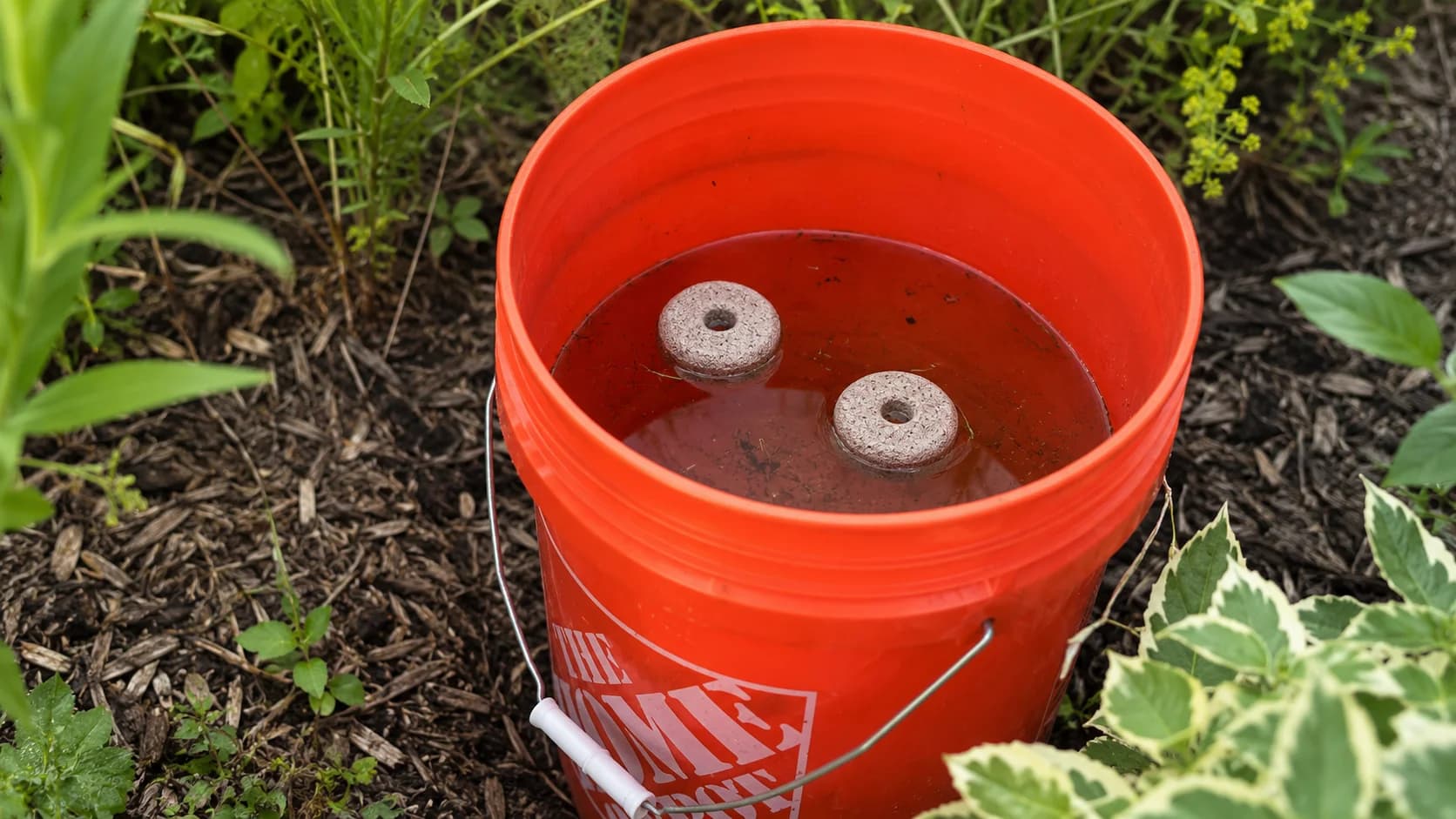
The label is not boilerplate, either. It tells you where the product may be used, how much to apply, and the water it must never touch. The recurring rule across guidance is that dunks belong in standing water that cannot be drained, covered, or emptied — rain barrels, ornamental ponds, unused pools — and never in water meant for drinking, by you or your pets.
Safety Around Kids, Pets, and Wildlife
This is where dunks genuinely shine, and it is a large part of their viral appeal. Because Bti only activates in the gut of specific fly larvae, Health Canada's risk assessments concluded that products containing it do not pose unacceptable risks to people when used according to label directions, and the same selectivity is why it is considered low-risk to pets, fish, and pollinators like bees. Bti has been used in mosquito control for over 30 years on that profile.
"Low-risk" is not "do whatever you like," though. Bti does affect some non-target aquatic fly larvae, such as midges, which is worth a thought before treating a natural pond that feeds local wildlife. Keep dunks out of reach of children, wash your hands after handling them, and treat the label's restrictions as the floor, not a suggestion. Used as intended, a dunk is one of the gentler interventions you can make outdoors — which is precisely why it deserves to be used precisely.