Every dispute described above is created at the point of order and settled at the point of delivery. Both are cheap to fix in advance.
Ask for the quantity in a legal unit — a cord, a stated fraction of a cord, or a number of stacked cubic metres. A seller quoting in face cords is not a reason to walk away: ask what it works out to in cubic feet at the piece length they cut, and put the answer in the order.
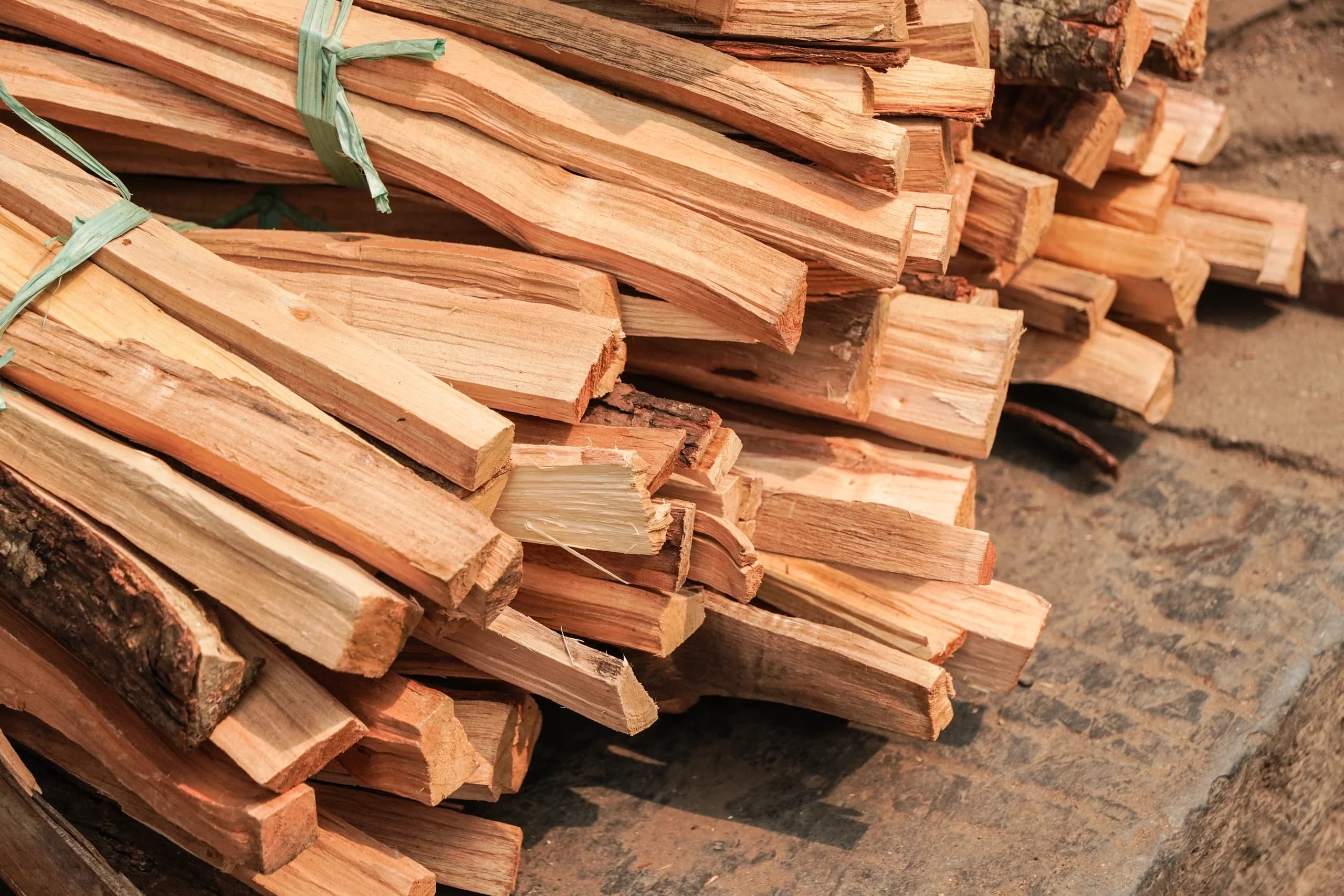
Get the piece length in writing as an average with a tolerance, not a single number. "16-inch average, 14 to 18 inch range" is a specification a delivery can be measured against; "16 inch" alone invites a load that averages 13.
Ask for the delivery to be stacked. This is Measurement Canada's own advice to buyers and the highest-leverage item on the list, because it moves the measurement to a moment when the driver is still present and the load has not yet become your problem. Sellers may charge for it or decline; either answer is informative.
Be there, and ask for a document showing the quantity, the type of wood, the seller's name, address and telephone number, and what you paid. That piece of paper is what section 9 contemplates, and it is the first thing any complaint route will ask for.
Finally, decide where the stack will go before it arrives. Clearance and distance from the building are worth settling in advance, and stacked cordwood against a wall is one of the items on any walk through hidden fire hazards at the start of winter.
Photograph the stack with a tape measure in frame at three points along the row, plus one close-up of a representative piece against the tape. Two minutes of photos taken before the wood is touched outweigh any amount of recollection later, and they are the evidence both the federal and provincial routes will want.