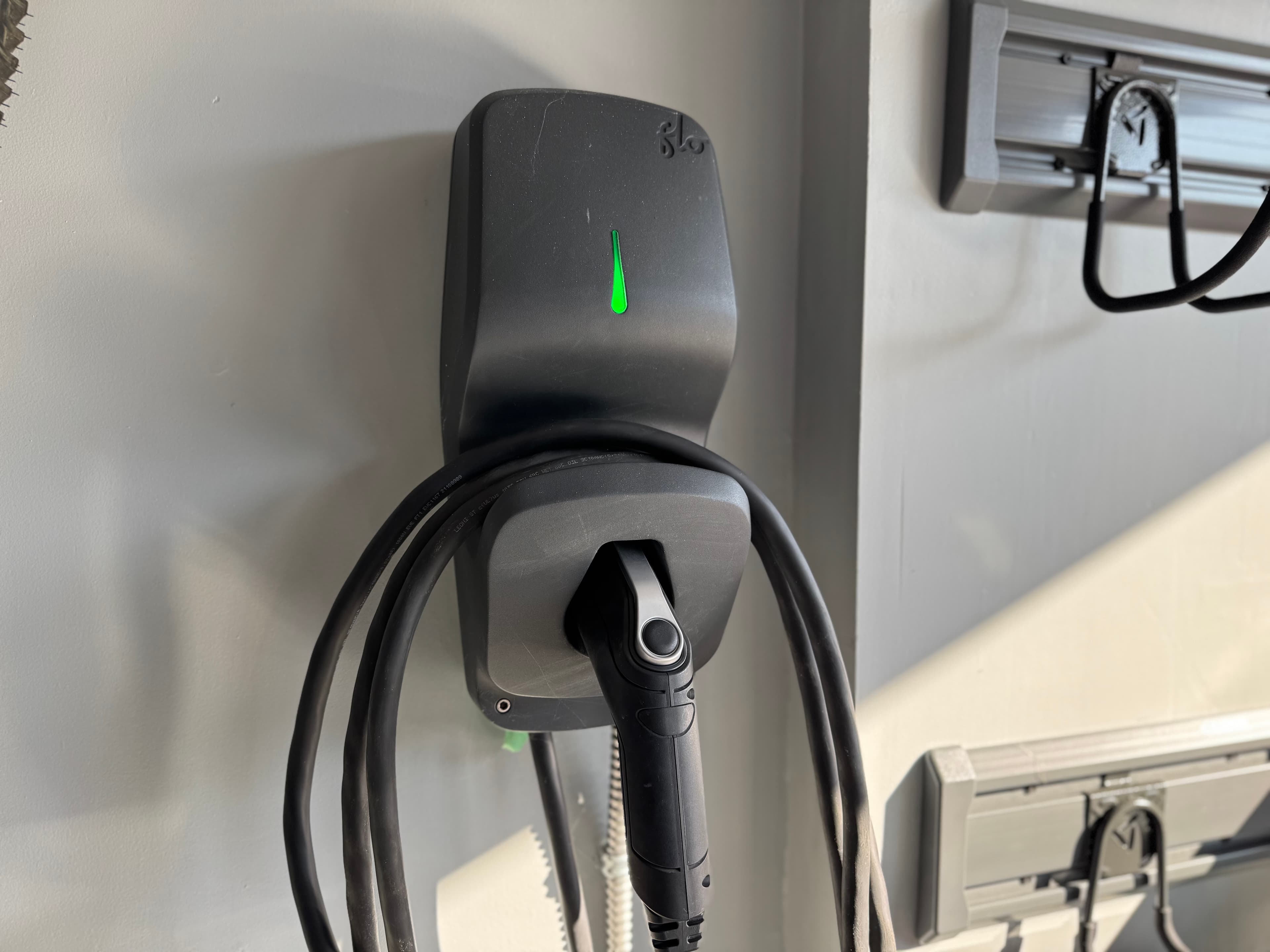
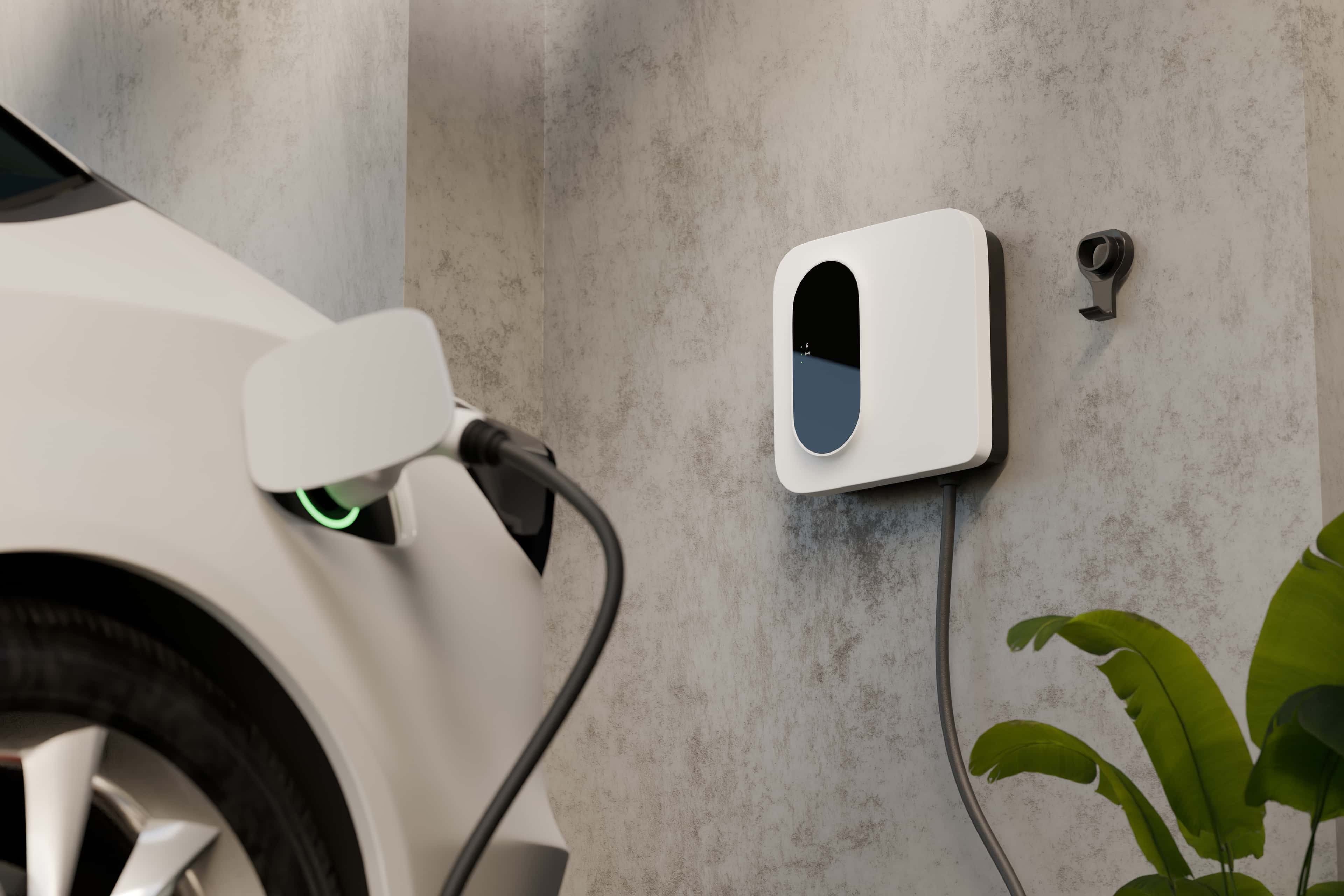
Home EV charging is easy to picture but harder to scope. On the surface, it looks like a simple product purchase: pick a charger, mount it on the wall, plug in the car. In practice, it is a home-infrastructure decision. Your best option depends on how far you drive, how long the vehicle sits at home, where you park, how much spare electrical capacity your home has, and whether you are planning for one EV or two.
Because Natural Resources Canada reports that more than 80 per cent of EV owners charge at home, the home setup is usually the part that shapes day-to-day convenience most. When it is well matched to your life, charging fades into the background. When it is mismatched, everything starts to feel more complicated than it needs to be.
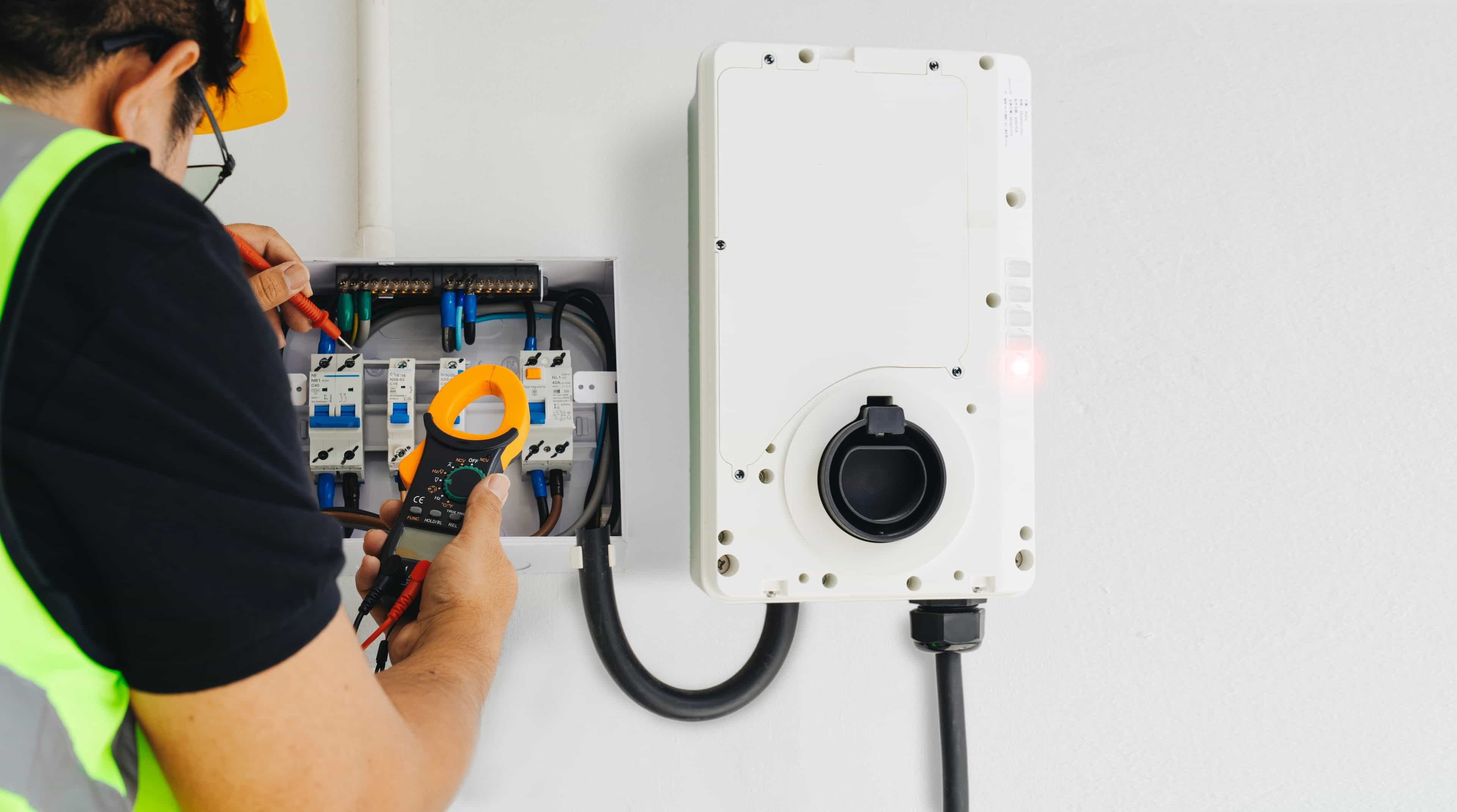
The confusing part is the language. Homeowners say “charger.” Electricians talk about EVSE, branch circuits, continuous load, permits, and load calculations. Product pages talk about amps, kW, connectors, outdoor ratings, and smart features. Those are not separate conversations. They are different ways of describing the same decision from the homeowner side, the electrical side, and the buying side.
This guide brings those pieces together in plain language. You will see what EVSE actually is, what changes when you move from Level 1 to Level 2, why panel capacity and continuous-load rules matter in Canadian homes, how to compare Level 2 options without getting lost in specs, and what the installation process usually looks like for detached homes and for condos or strata buildings. It is not a DIY wiring manual, and it does not replace a licensed electrician’s assessment. It is the planning framework that helps you ask better questions before you buy.