Roof, Orientation, Shade, and Time-in-Home
Before any math about cost or payback matters, your house has to be physically ready to host a system. The four things installers look at first are orientation, pitch, shading, and the roof itself.
A south-facing roof is the gold standard, but east- and west-facing surfaces still produce respectable output — often 80 to 85 percent of what a south slope would deliver. Pitch matters less than most people expect; anything between about 15 and 45 degrees works well, and flat roofs can be handled with tilted racking. Shading is the quieter killer. A single mature tree that cuts across your roof at mid-afternoon can drop production more than you'd guess, because modern panels are wired in ways that amplify the impact of partial shade.
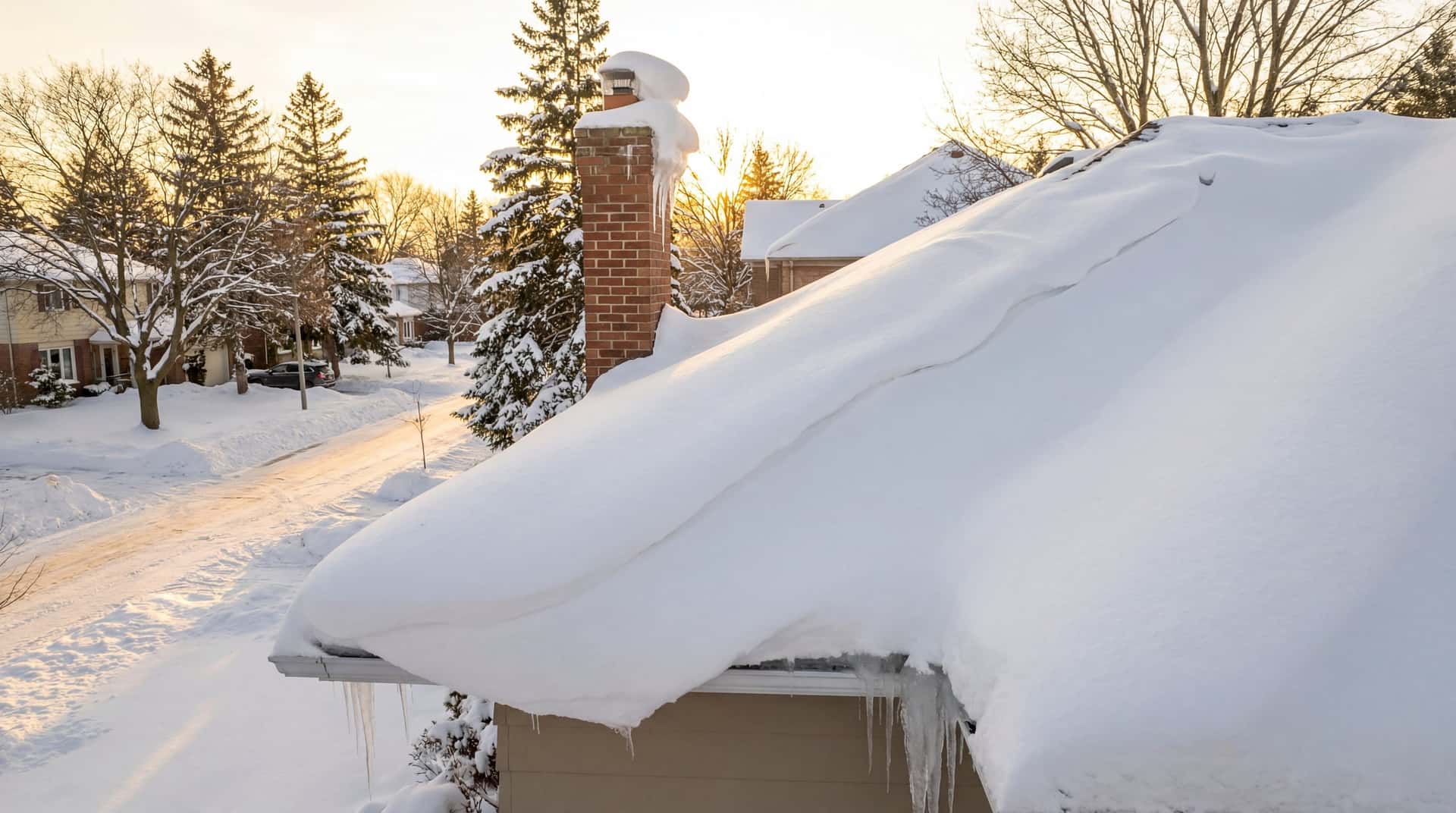
The roof itself needs to be in good shape. If your shingles are more than 15 years old and likely to need replacement in the next decade, the math usually says to replace the roof first — you don't want to pay twice for panel removal and reinstallation. A quick check-in with a professional can save real money here, and our guide on professional roof inspections walks through what a good assessment includes.
One more factor: time in home. Solar is a 10-to-20-year investment. If you're likely to sell within five years, the payback math gets harder, and while solar may add modestly to resale appeal, buyers don't always price it in the way sellers hope. If you plan to stay, the case gets stronger with every year.