A Federal Policy Signal That Will Shape Rates, Rebates, and Home-Heating Decisions for Decades

Credit: Shutterstock
On May 14, 2026, Prime Minister Mark Carney is expected to step onto Parliament Hill at 10 a.m. ET to unveil the federal government's long-delayed clean electricity strategy — a framework that, on its face, is about doubling Canada's grid by 2050, but in practice is a twenty-five-year planning signal for how electricity will be generated, transmitted, priced, and used in Canadian homes.
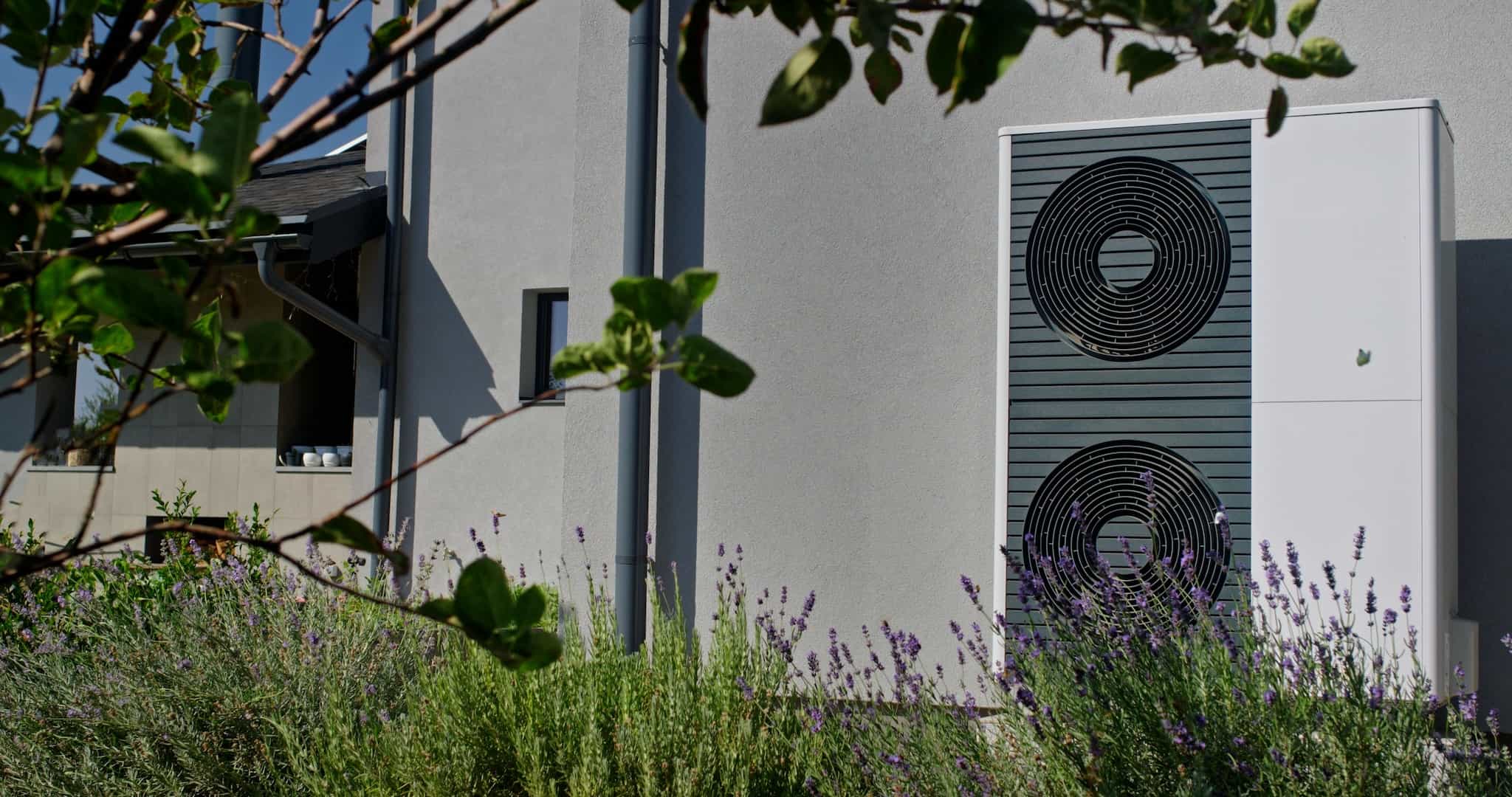
For homeowners, the headline number is less important than the shape of the policy underneath it. Doubling generation requires regulated utility investment that eventually flows into residential rates. A meaningfully larger east-west transmission system would change how regional price shocks propagate. A federal nuclear strategy, separately committed for release before year-end, will reshape provincial generation mixes through the 2030s and 2040s. And the continued federal emphasis on electrifying home heating — heat pumps over gas furnaces — is the household-level demand driver that makes all of the above necessary.
This is not a piece about whether to electrify your home this year. It is a map of the federal infrastructure being built around the decisions homeowners will be asked to make for the next two decades.
The strategy is being framed around three generation pillars — hydroelectricity, wind and solar, and nuclear — bound together by a substantially expanded interprovincial transmission network. According to BayToday's wire coverage of the announcement, Carney has been signalling for months that the bulk of new capacity will come from non-emitting sources, with hydro expansion, renewables build-out, and an enlarged nuclear fleet doing the heavy lifting.
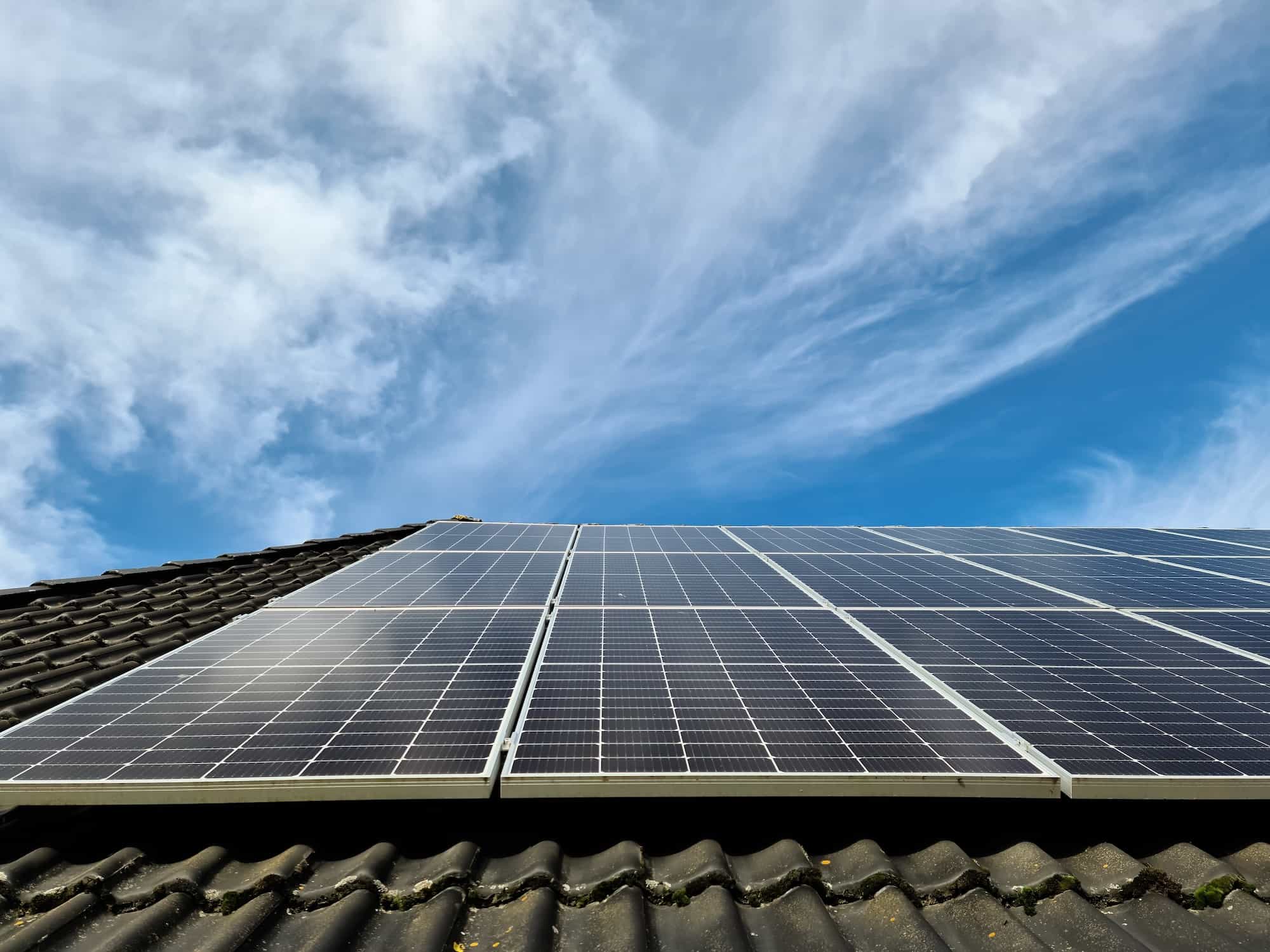
Rooftop and community solar do not appear as headline pillars in the federal framing, but they sit inside the renewables stack — the same stack that determines how much of the doubling burden is absorbed by central generation versus distributed assets on Canadian homes. For homeowners who have looked at panels but never pulled the trigger, our Canadian homeowner's guide to going solar maps the household side of that same renewables build.
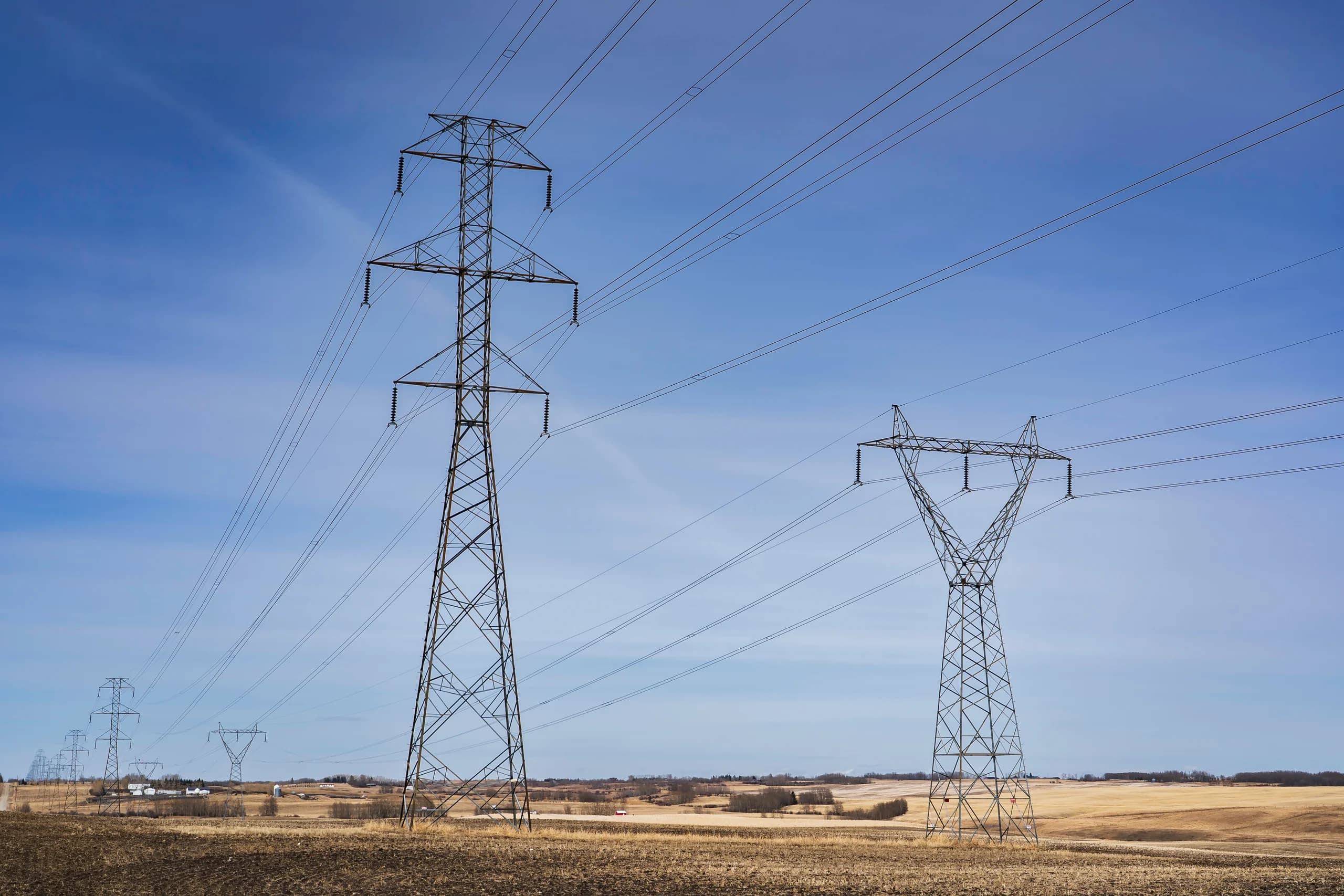
The transmission piece is where the homeowner story gets more interesting. Today, the bulk of Canada's high-voltage connections run north-south into the United States rather than east-west between provinces. That structure made commercial sense when each province built its own generation mix in isolation. It does not make sense in a world where Alberta wind and Quebec hydro could, in principle, smooth each other's seasonal swings. The Carney government's Liberal platform pledged an "historic east-west electricity grid" framed explicitly as a way to strengthen energy security and create "one economy," and Carney himself said in a May 1 interview that the government is exploring how to "knit together the provincial grids much more effectively" while Canada moves to roughly double its electricity over the next 20 to 25 years.
The 2050 doubling figure is not a Liberal talking point. It is the rough consensus from independent modelling: a study commissioned by the Canadian Nuclear Association concludes that Canadian electricity demand will double or even triple by 2050, driven by population growth, electric vehicles, data centres, and industrial electrification. The Canadian Renewable Energy Association, drawing on net-zero modelling from the Trottier Institute and the Transition Accelerator, arrived at the same range. So did the Canada Electricity Advisory Council's 2023 interim report, the expert body convened by Natural Resources Canada, which committed to advise Ottawa on how to "rapidly" expand the clean grid to net-zero scale while keeping the system affordable and reliable.
What matters here is the framework: federal institutions, industry associations, and independent modellers have converged on a number that is large, structural, and unavoidable.
Utility rates in Canada are set by provincial regulators that allow utilities to recover capital investments — transmission lines, substations, generation assets — through approved rates over decades. This is what economists call rate-base recovery. The math is unforgiving in one direction: bigger build, more rate-base, higher base bills over time.
The Carney plan does not change that mechanic. What it changes is the trajectory. Major new transmission and generation will be added to provincial rate-bases through the 2030s and 2040s, which provincial utility boards will translate into residential rate cases. For homeowners, this is the channel through which a federal grid strategy actually reaches the kitchen table — not as an announcement, but as a line item on a rate notice five or ten years from now.
The federal framing pushes back on the "bigger grid means bigger bills" reflex with a structural argument: a stronger east-west system can spread risk. If one province has a cold snap and another has a windy week, an interconnected grid can move power between them, smoothing the price spikes that show up in residential bills today. The Canadian Renewable Energy Association makes the same point in its net-zero work, arguing that additional interprovincial transmission and storage will be required to keep reliability up as more variable renewables come online.
A separate point worth landing: electrification can act as a hedge against fossil-fuel price volatility. The Canadian Climate Institute's research on household electrification notes that during recent global energy price shocks, electricity often served as a refuge from fossil-fuel volatility. A house heated by an electric heat pump, drawing on a mostly non-emitting grid, has different bill exposure than one tied to natural gas spot pricing through a regulated utility.
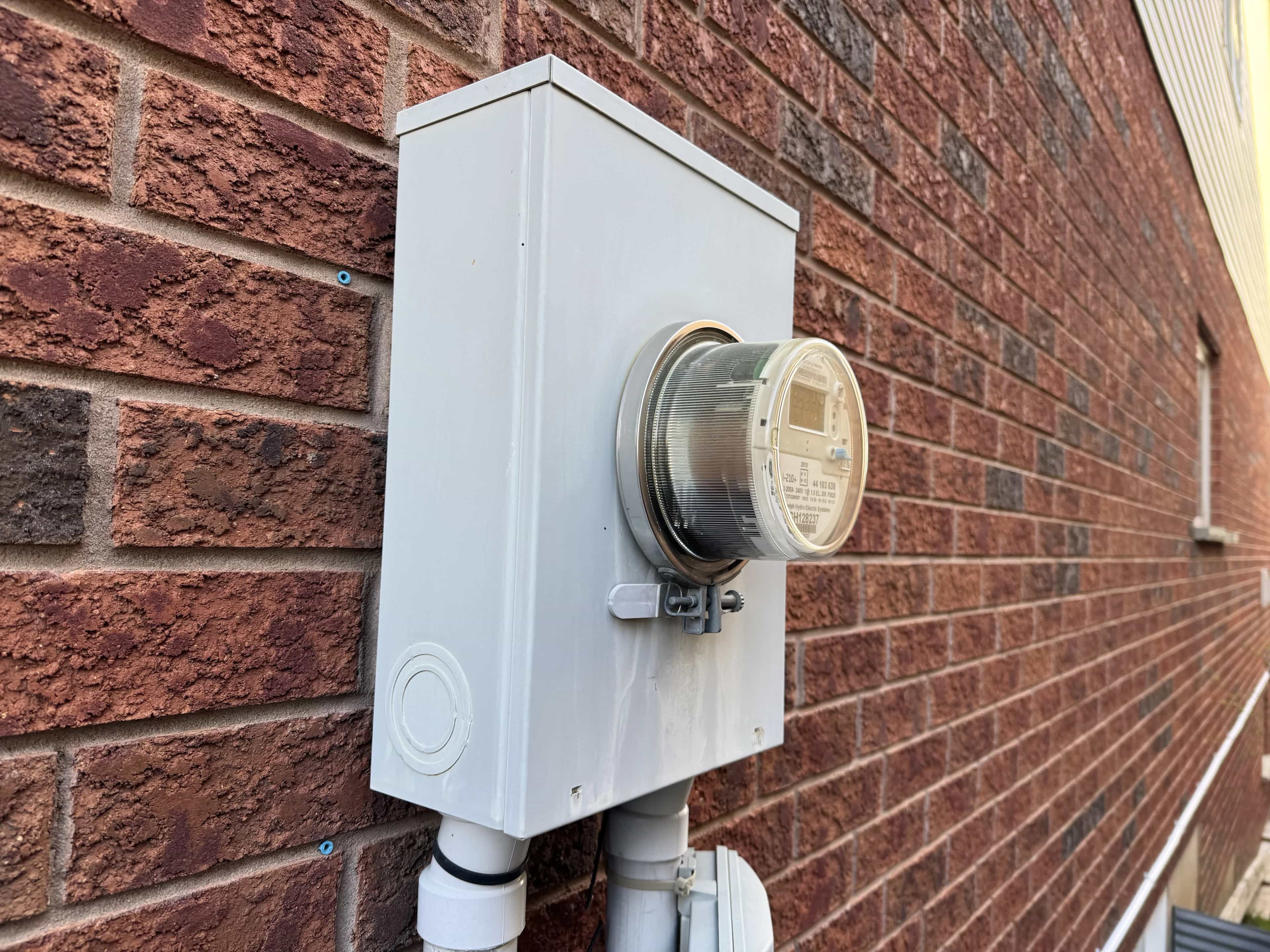
Provincial rates do not move in lockstep with federal policy. Ontario's annual shift to summer time-of-use rates on May 1 is a reminder that the rate signals most homeowners actually feel come from provincial regulators, not federal announcements. The federal strategy is the scaffolding behind those provincial decisions, not the bill you open in the mail.
A clean grid that does not absorb new demand is a grid that has not done its job. The federal logic of the strategy works only if Canadians electrify the parts of their lives that currently run on fossil fuels — transportation and home heating in particular. The electricity sector itself is now a relatively small slice of the emissions problem: according to Environment and Climate Change Canada's national inventory, the sector emitted 50 megatonnes of CO₂-equivalent in 2024, or 7.2% of the national total, down 47% from 1990 levels as coal has been retired in several provinces.
Households, by contrast, account for nearly 20% of national emissions through home heating, cooling, and personal transport, and the Canadian Climate Institute has been blunt about the implication: cutting that share depends almost entirely on switching from fossil fuels to electricity. Heat pumps replace furnaces. Induction ranges replace gas. EV charging replaces gasoline. Each switch is a small individual decision and, in aggregate, the demand growth that justifies doubling the grid.
For a homeowner sitting on a twenty-year-old gas furnace, the federal direction is clear without being prescriptive. The grid is being designed around electric heating. Federal rebate programs are being designed to subsidize the switch. Provincial rate structures, time-of-use pricing, and panel-upgrade incentives will be built on top of the same assumption.
That does not mean every furnace should become a heat pump tomorrow. It does mean that homeowners replacing equipment now are making a decision against a federal policy backdrop that is unambiguously pointing in one direction. The practical question is no longer whether heating will electrify, but on what timeline and through which incentive vehicles. Homeowners thinking through the equipment decision have a separate, deeper read in our guide on switching to a heat pump instead of an air conditioner in Canada.

The other policy artefact tied to this announcement is the forthcoming national nuclear strategy. Energy Minister Tim Hodgson committed in late April to publishing the nuclear strategy before the end of 2026, with both a domestic build-out dimension and an export dimension covering Canadian nuclear technology and uranium.
For homeowners, this is not an abstract debate about reactor designs. It is a planning input for the provinces that rely heavily on nuclear baseload — Ontario most visibly, but increasingly New Brunswick, Saskatchewan, and Alberta as small modular reactor projects mature. The Canadian Nuclear Association's CEO told the House of Commons Standing Committee on Natural Resources in 2024 that electrifying the economy by 2050 will require at least 100 gigawatts of additional clean baseload on top of new renewables. That gap is the policy space the nuclear strategy is designed to occupy. The decisions made in that document — which technologies receive federal backing, which provinces host new reactors, what financing structure is put in place — will shape provincial generation mixes and, eventually, residential rates through mid-century.
A federal strategy announcement is a beginning, not an end. The signals that translate this framework into household-level outcomes will arrive over the following eighteen to thirty-six months. The practical watch-list:
If you are about to replace a major piece of home equipment — furnace, water heater, electrical panel, roof — the federal direction in this strategy is a useful input but not a decision driver. The right question is not "will electrification happen?" — that part is now policy. The right question is "given my equipment age, my province's grid, and my own cash-flow tolerance, when does the switch make sense for me?" Treat federal announcements as climate context, not as installation timing.
A clean electricity strategy that promises to double the grid by 2050 is the kind of policy artefact that reads, on first glance, as either everything or nothing depending on the reader. For homeowners, neither framing is correct. It is not an immediate program. It is not a marketing exercise. It is a long-horizon planning document that will, over the next quarter century, shape the rate trajectories, rebate structures, pricing models, and equipment choices that determine how much it costs to keep a Canadian house warm, lit, and connected.
The homeowners who get the most out of this announcement will be the ones who treat it as a framework — the scaffolding behind the rate notices, rebate programs, and equipment incentives they actually interact with — rather than as a story about Ottawa. The federal strategy is the ceiling. The provincial and personal decisions are where the real changes will land.
About the Author
Ryan is the founder of Homeowner.ca and a proud Canadian homeowner based in Guelph, Ontario. Over his 25-year career in digital publishing, he has focused on transforming complex information into clear, practical guidance that helps people make confident, well-informed decisions.