The technical side of replacement is largely the installer's job, but a few details are worth understanding so you can have a confident conversation about your specific garage.
Standard Sizes In Canada
For single-vehicle garages, Canadian standard widths are typically 8 feet, 9 feet, or 10 feet, with a height of 7 feet (and increasingly 8 feet for taller vehicles). Double-vehicle doors are most often 16 feet wide by 7 feet tall, though 14-, 18-, and 20-foot widths are all available. If you drive a full-size pickup, an SUV with a roof box, or you're planning to add an EV with a Level 2 charger that requires clearance, an 8-foot-tall door is worth specifying — older Canadian housing stock often has 7-foot openings that no longer comfortably fit modern vehicles.
Headroom, Side-Room, And Backroom
Most standard installations need around 12 to 18 inches of headroom above the door opening for the springs and tracks, plus a few inches of side clearance on each side. If your garage was built with a finished ceiling close to the door header, ask your installer about a low-headroom kit, which uses a different track and spring configuration to fit the constraint. These add cost but make replacement possible in spaces that wouldn't accept a standard install.
Permits And Local Code
NRCan's homeowner guidance is consistent: Canadian building codes and permit requirements vary by province and municipality, and major work — particularly anything that touches the structural opening, header, or significant new electrical — should be cleared with your local authority before it starts. Like-for-like residential replacement in the same opening usually doesn't trigger a permit, but adding a new opener circuit, widening the opening, or changing a single door to a double will often require one.
Planning For Whatever's Next
If you're replacing the door now and might add a Level 2 EV charger, a new freezer, a workshop circuit, or a heating upgrade in the next five years, this is the cheapest moment to plan ahead. Have a brief conversation with your installer or a licensed electrician about rough-in work that would make those future projects easier — running conduit during the door installation costs a fraction of what it costs to do it later.
For more on how the electrical side of the garage is changing, our coverage of EVSE specifications for Level 2 home chargers goes deeper into the choices that pair well with a garage upgrade.
Snow Load And Wind Load
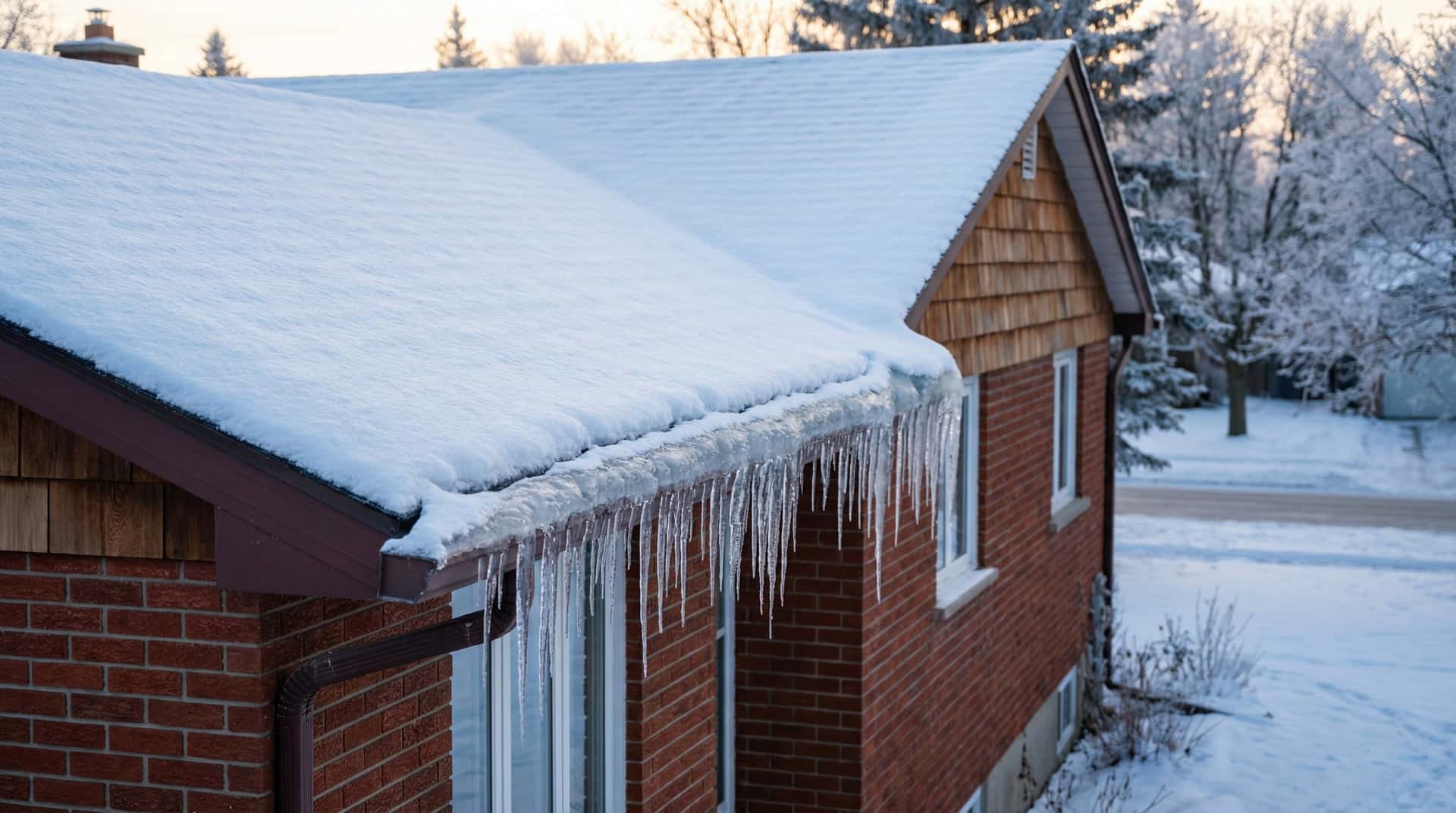
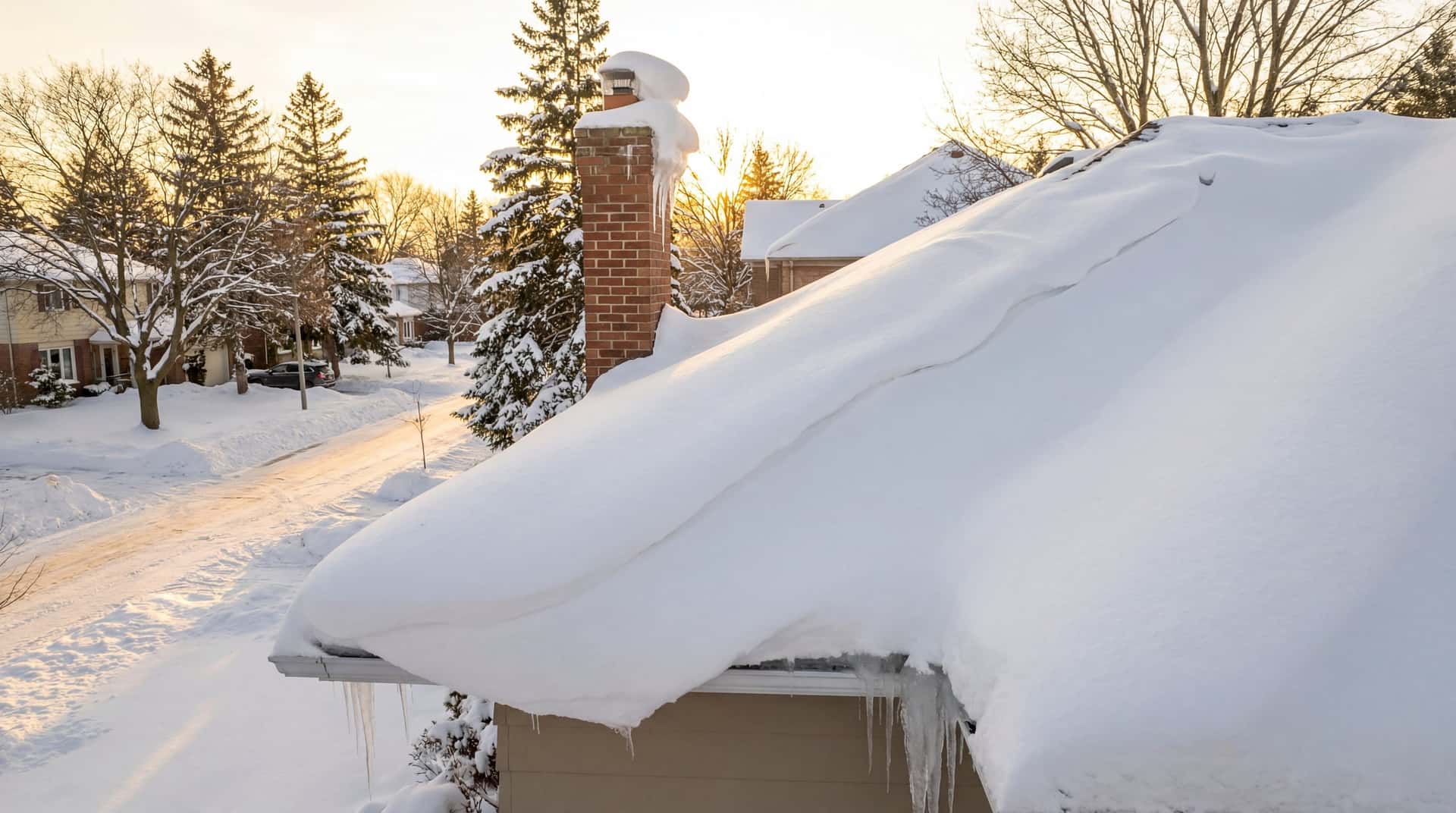
Most stock residential garage doors in Canada are engineered for typical regional loads, but if you live somewhere with heavy snow accumulation against an exterior wall, sustained high winds, or both, ask about reinforcement struts and wind-load-rated panels. The cost premium is small; the structural reassurance is worth it.