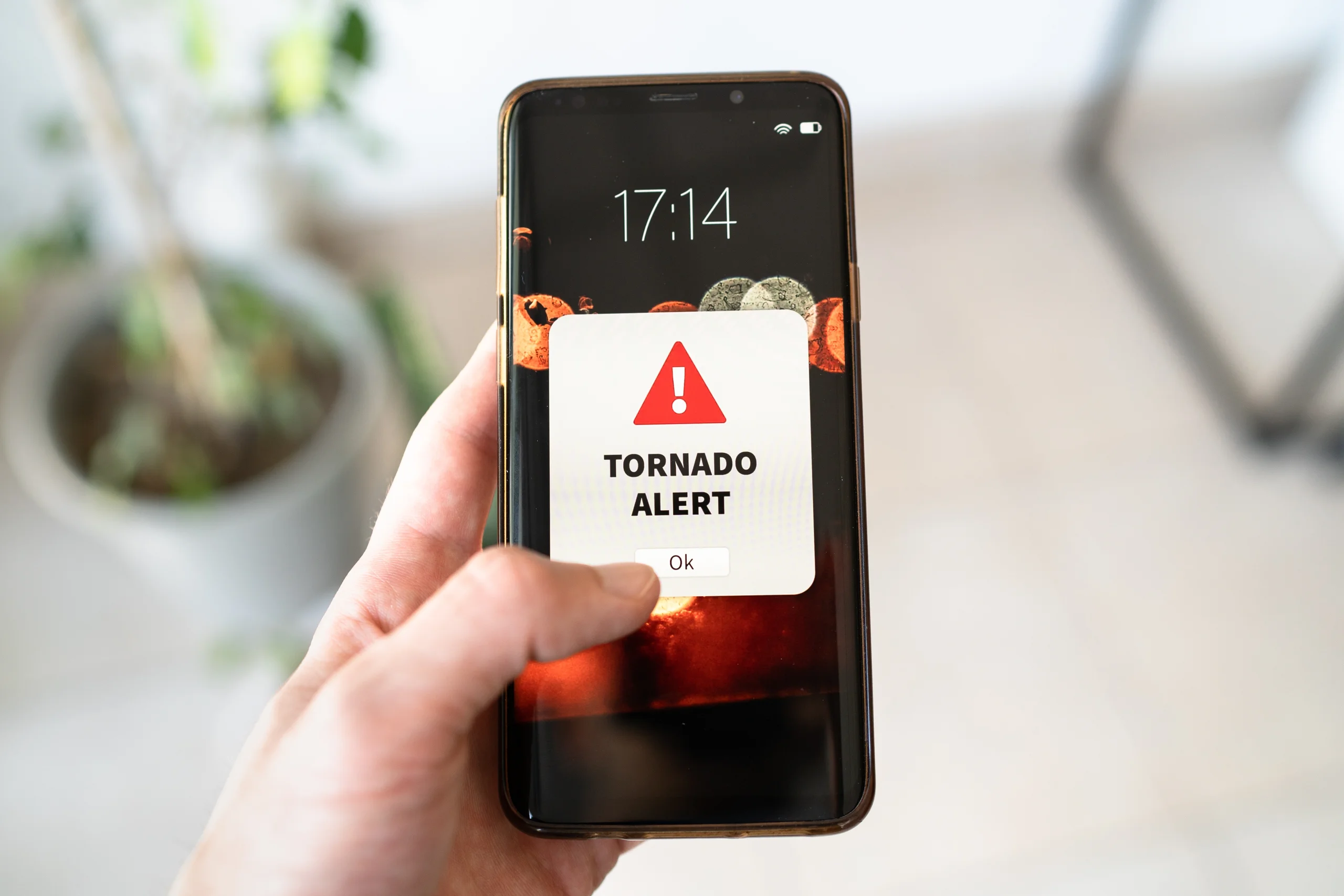
A more targeted system only helps if the alert can actually reach you, which turns the spotlight onto your devices. To receive wireless public alerts, a phone must be a compatible LTE or 5G device, running up-to-date software, and connected to an LTE or 5G network when the alert is issued; older phones simply will not receive them. There is no sign-up and no opt-out for these threat-to-life alerts, and the system is geo-targeted, so as Alert Ready explains, an alert reaching your device is itself a signal that you are in an area of imminent danger. The homeowner's task is not to enrol; it is to confirm that every phone in the house is capable of receiving an alert and is not left in a setting that would silence it.
The rest is readiness you can complete in an afternoon. Canadian preparedness guidance recommends choosing your shelter spot before a storm strikes: during a tornado or severe-wind threat, the safest indoor place is the lowest, most central room, ideally a basement, away from windows. ECCC also advises securing or bringing in loose outdoor objects when high winds threaten, and the government's how to prepare for a tornado guidance frames both as steps to take in advance rather than in the moment. With a ten-minute warning lead time, there is no room to start planning once the alert arrives.
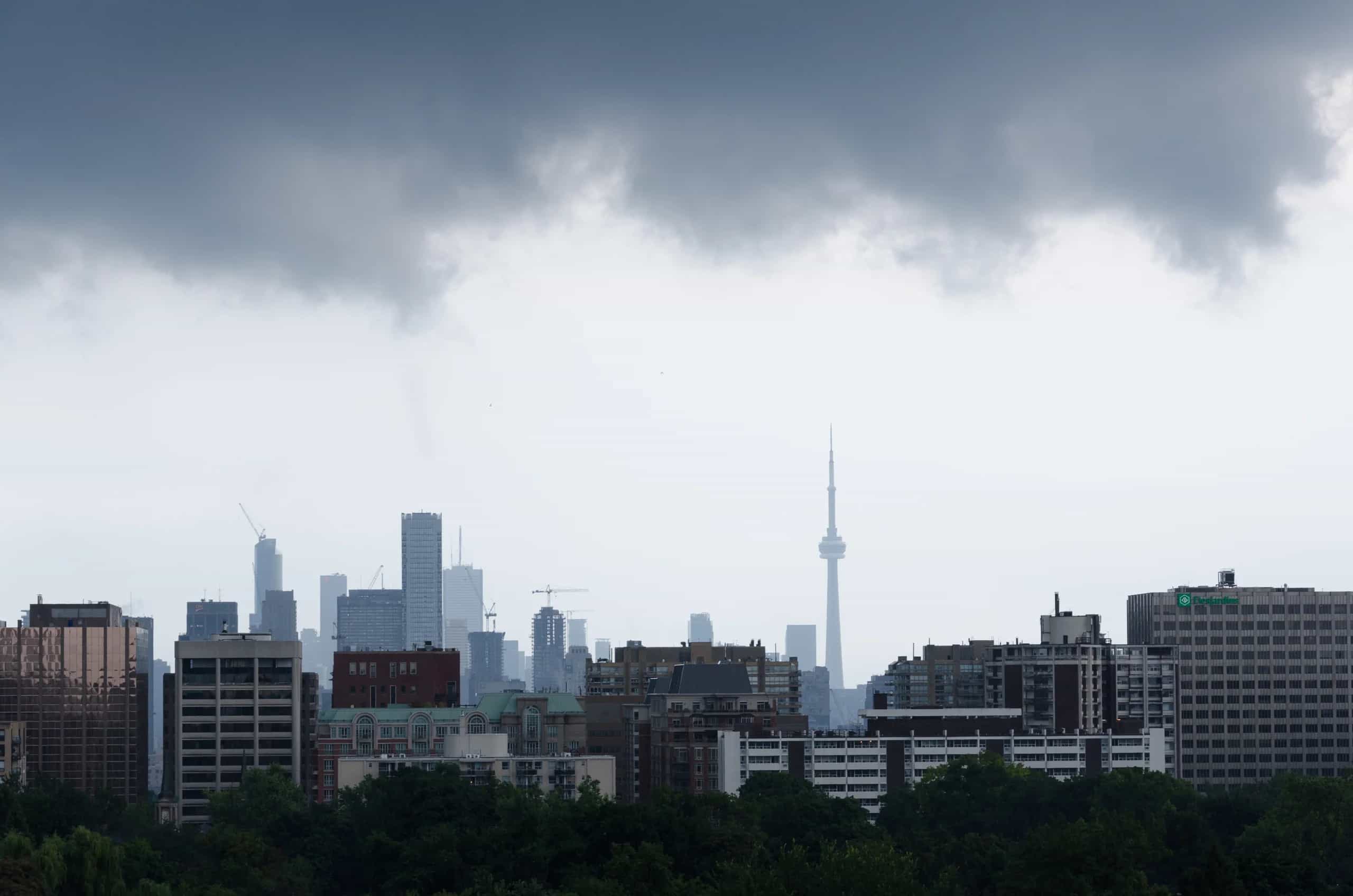
If you live in Ontario or on the Prairies, this lands in the middle of severe-storm season, the very regions Public Safety Canada identifies as the most affected by thunderstorms in the country. A five-minute yard sweep for patio furniture, umbrellas, and trampolines turns potential wind damage into a non-event, and a broader seasonal look at your home's exterior pays off too, as laid out in this guide on whether your home can handle the next hail or windstorm. Under a system built to warn you only when it counts, a prepared household is the other half of the equation.