The existing eligibility rules still apply in full
Because the flat amount sits inside the existing credit, every current eligibility test still applies. Under the Canada Revenue Agency's line 31285 rules, the renovation must be for a qualifying individual: someone eligible for the Disability Tax Credit at any time in the year, or someone who is 65 or older at the end of the year.
The claim can be made by the qualifying individual or by an eligible individual. That includes a spouse or common-law partner, or a parent, grandparent, child (including the child's spouse or partner), grandchild, sibling, aunt, uncle, nephew or niece of the qualifying individual. It also includes anyone entitled to claim the disability amount for them. This is why adult children appear so often in HATC claims, and why coordination matters under the new rules.
The home and the work have to qualify too
The work must be done on an eligible dwelling. In general, that is a home in Canada that the qualifying individual (or an eligible relative) owns and that the qualifying individual normally lives in. If a parent lives in an adult child's home, the parent generally must not own and live in another home in Canada during the year.
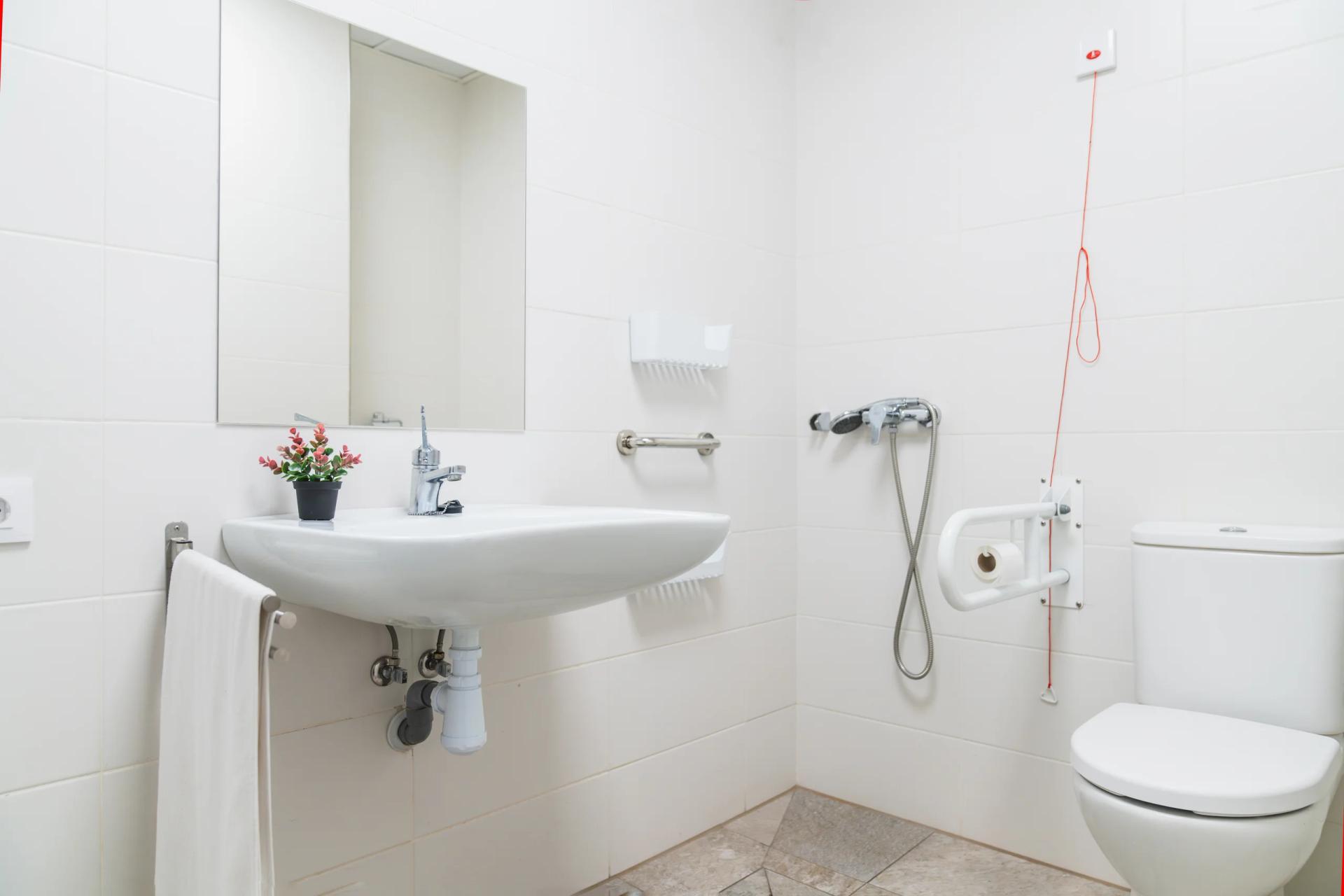
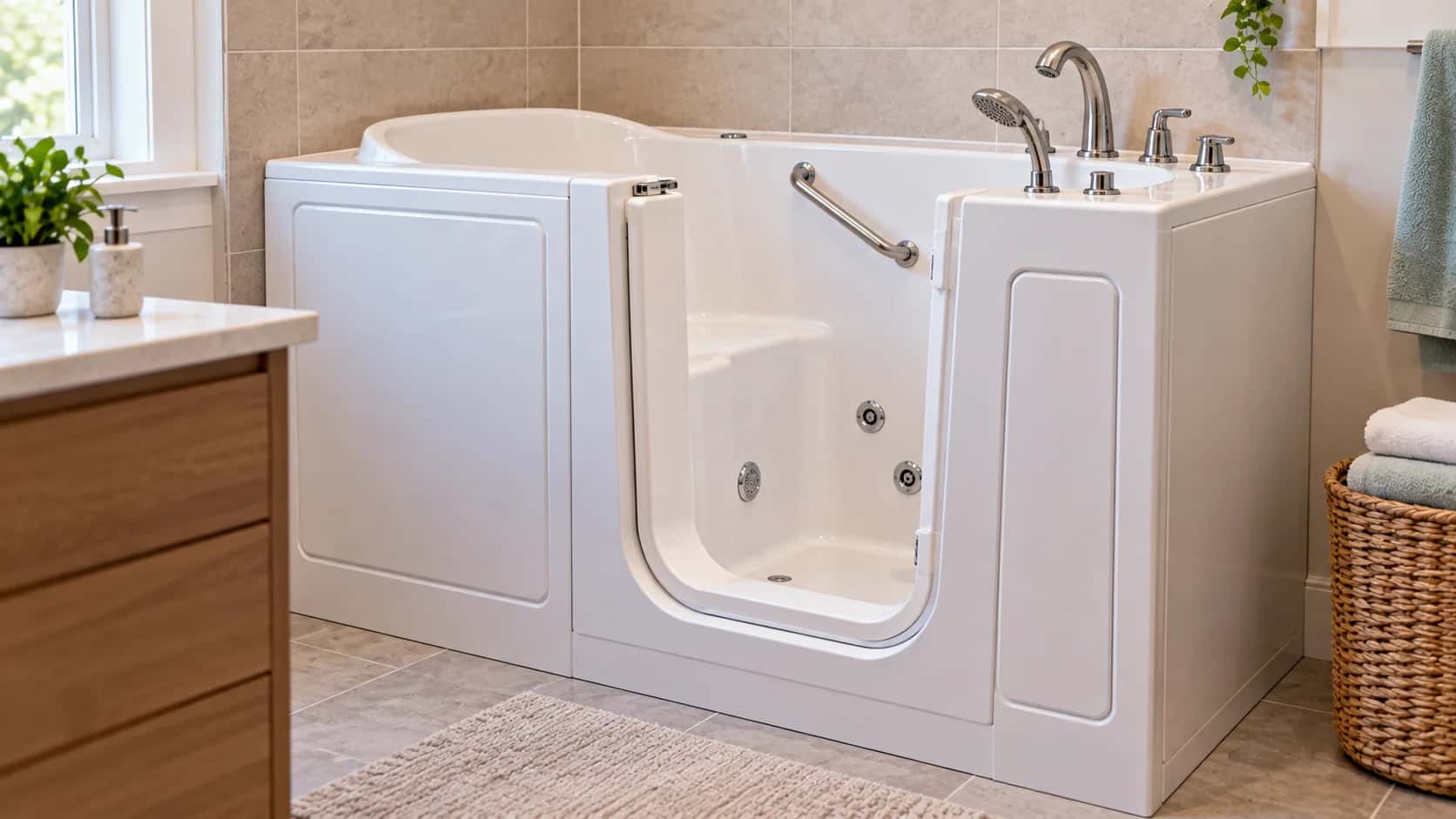
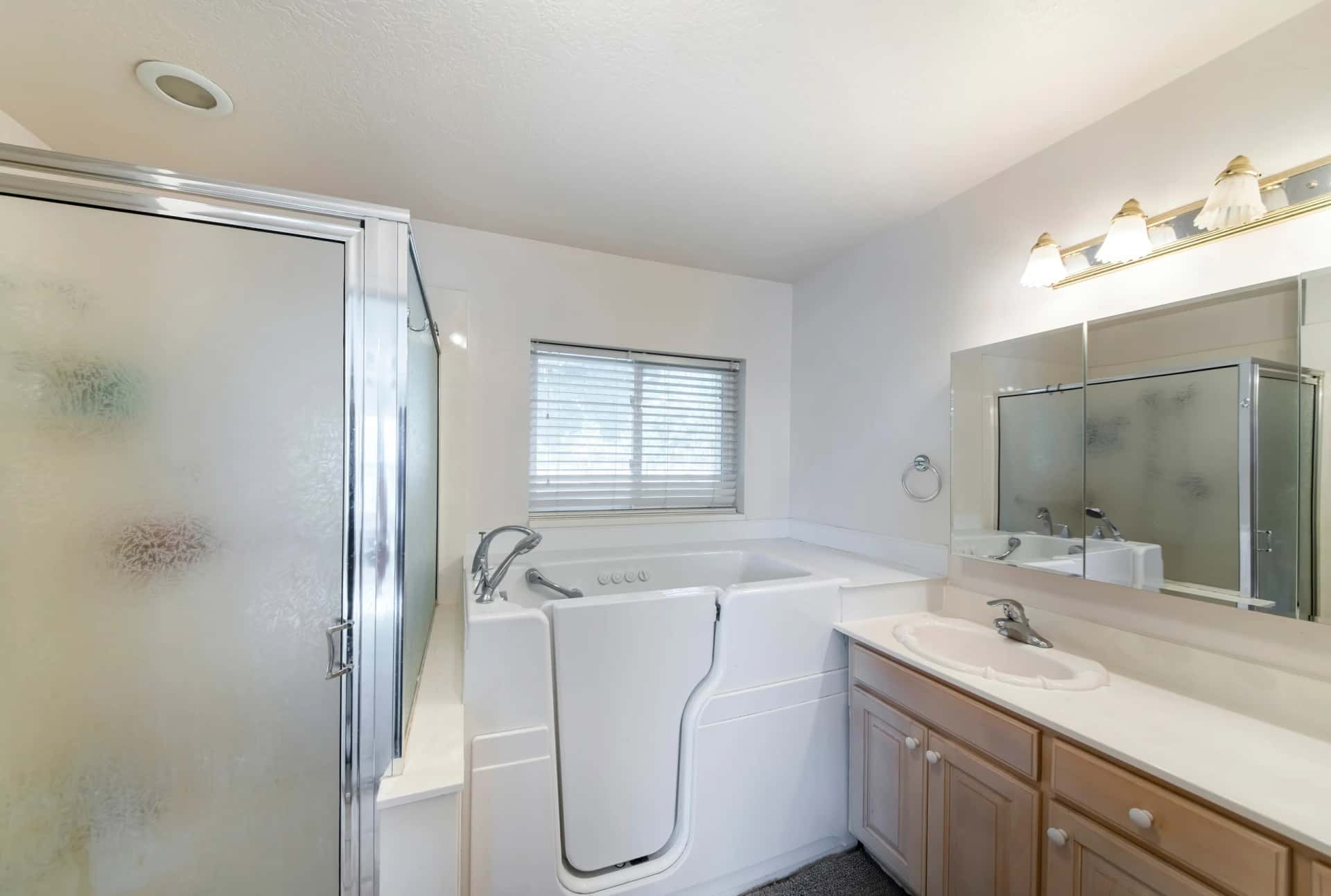
The work itself must be a qualifying renovation: something lasting and built into the home that helps the person get in, move around or function in it, or that reduces their risk of harm. Routine repairs and maintenance, household appliances, financing costs, and services such as housekeeping or gardening do not qualify. A $1,000 flat claim doesn't turn any home spending into an accessibility expense. There still has to be a real qualifying renovation behind it.
For a closer look at which upgrades pass the test, see our renovation-by-renovation guide.
What the HATC Covers and What It Doesn't: A Renovation-by-Renovation CRA Checklist