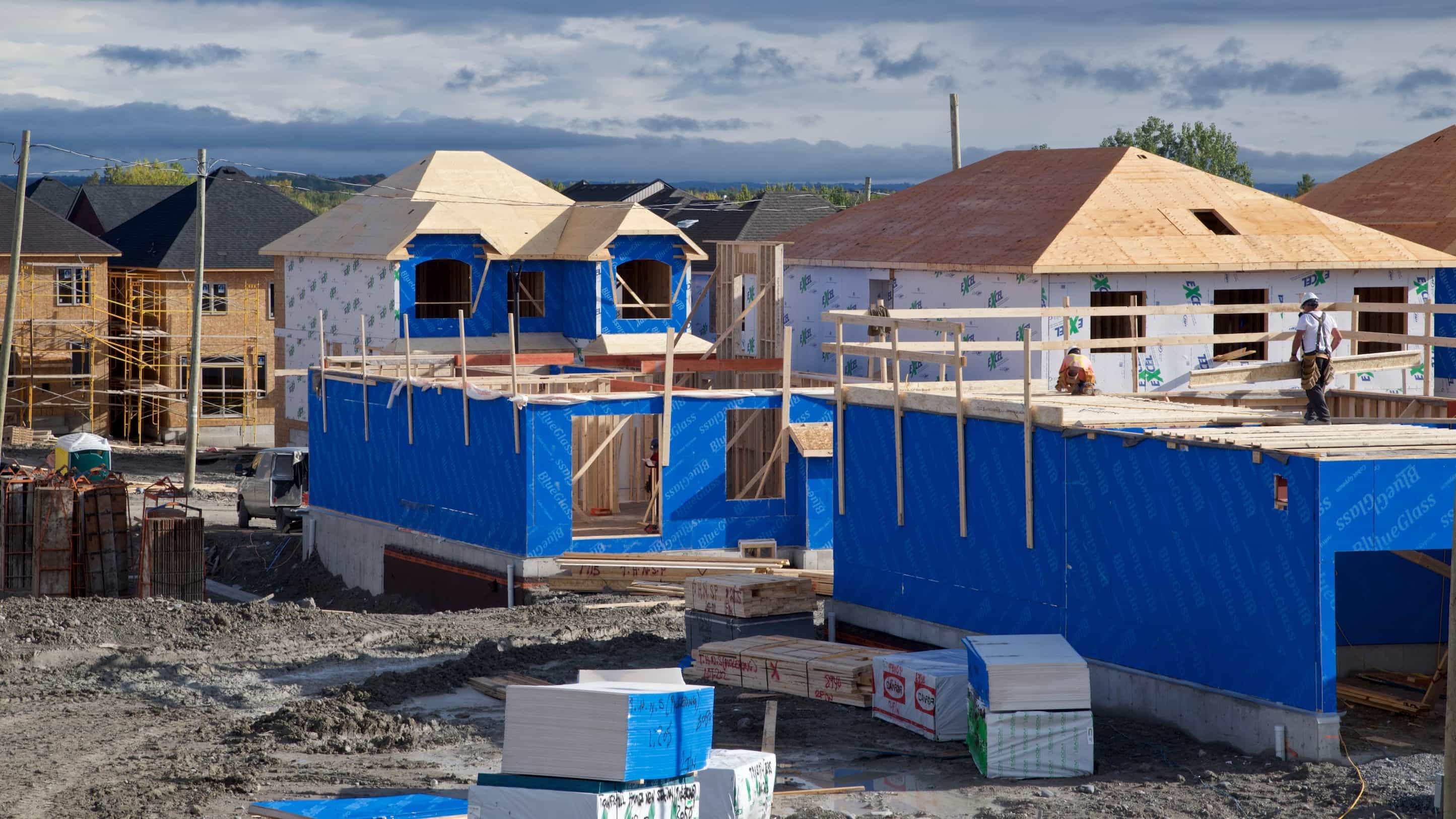
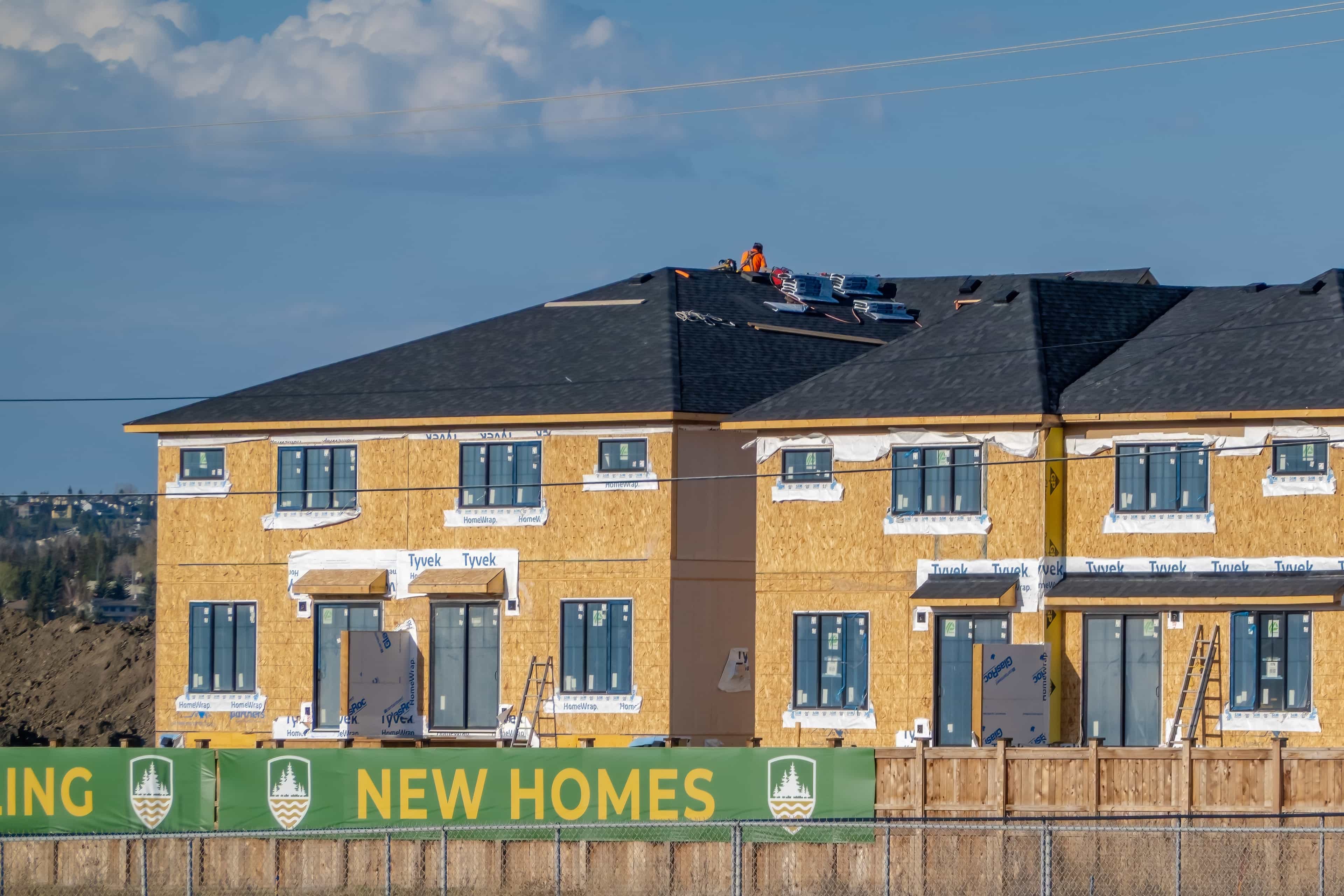
Here is the part that trips up most buyers: development charges are technically assessed on the developer or builder, not the homebuyer. They are payable to the municipality, most commonly when a building permit is issued. But in practice, builders treat DCs as a project cost and pass them through to buyers — either baked into the listed purchase price or itemized as a separate closing adjustment.
The Timing Mismatch
The challenge for pre-construction buyers is timing. You sign a purchase agreement in year one. The builder applies for a building permit — and pays the DC — in year two or three. If DC rates have been indexed upward in the interim, the increase shows up on your Statement of Adjustments at closing.
Industry guides for Ontario pre-construction purchases estimate that total closing costs (including DCs, land transfer tax, HST adjustments, and legal fees) typically range from 1.5% to 4% of the purchase price. In municipalities with six-figure DCs, development charges alone can be the single largest closing adjustment — larger than land transfer tax, larger than the HST rebate clawback.
The Bellisario Warning: When Closing Costs Cross the Line
How far can a builder go in passing costs to buyers at closing? A 2025 Ontario Superior Court decision drew a sharp line.
In Bellisario v 2200 Bromsgrove Development Inc, forty buyers of a Mississauga townhouse project received Statements of Adjustments that included surprise charges ranging from roughly $62,000 to over $111,000 per unit — described as "site energization" and utility infrastructure costs. The court ruled that the developer could not use vague contract language to shift core construction costs onto buyers after the fact. Costs paid to the developer's own subcontractors are part of the cost of doing business, not a legitimate pass-through charge.
The ruling reinforced a key principle: if a fee is not clearly authorized by the contract, it cannot be enforced. Builders can pass through genuine third-party municipal charges (like DCs), but they cannot repackage their own costs under ambiguous labels.
If your Statement of Adjustments at closing includes charges you did not expect, do not assume they are valid. The Development Charges Act requires that subdivision approvals include a condition ensuring first purchasers are informed of all DCs related to the development at the time of transfer (s. 59(4)). You have a statutory right to know what you are being charged and why.