Best Portable Air Conditioners in Canada: BTU Ratings, Noise, and Real Cooling Power
Our guide compares the best portable air conditioners for Canadian summers, scored on SACC performance, noise, and value. See top picks for bedrooms, premium efficiency, and budget-friendly cooling.
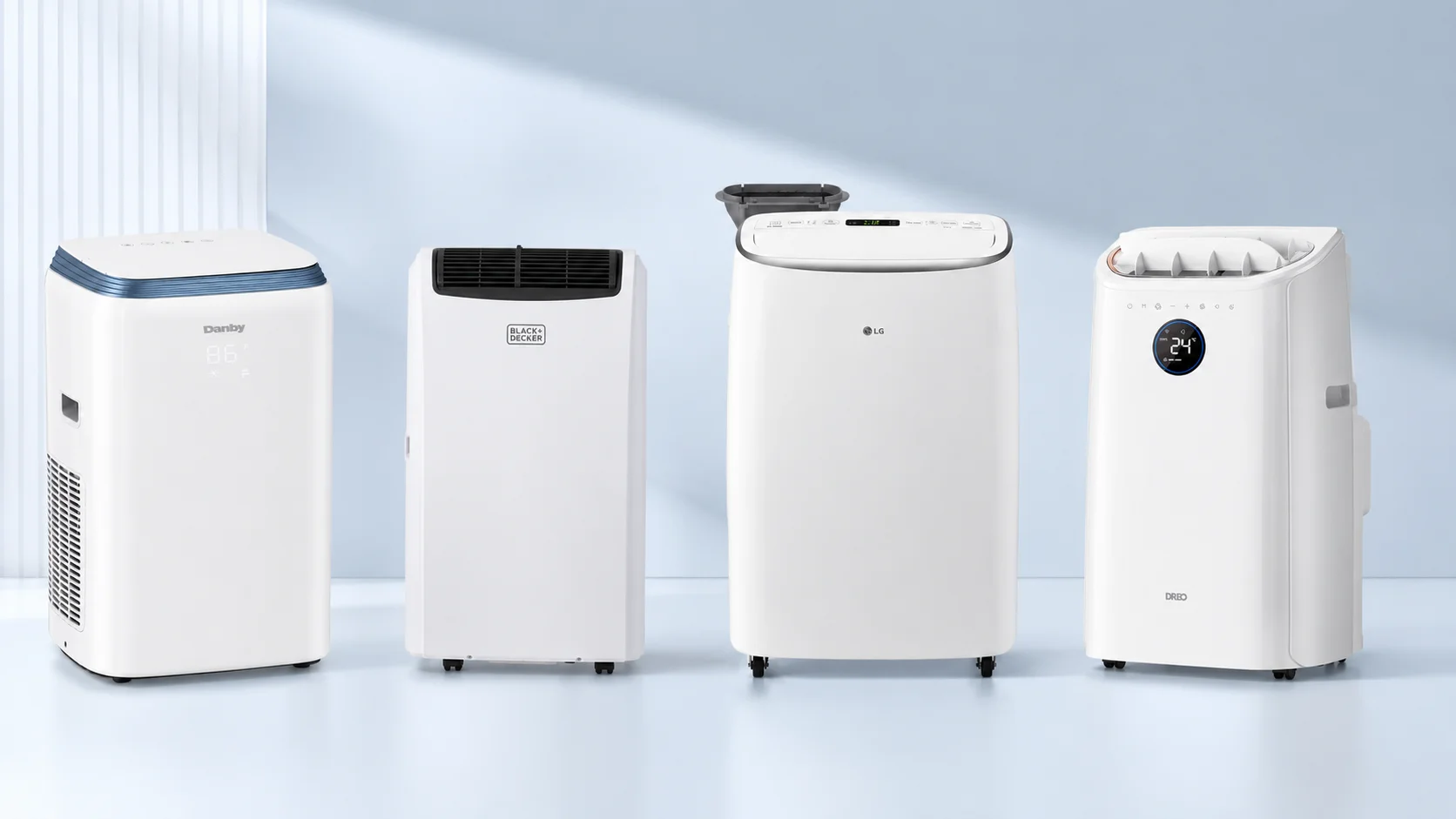
Credit: Homeowner.ca
Portable air conditioners solve a real problem for renters, condo owners, and anyone who cannot install a window unit or central air. The trouble is that this category is full of misleading shortcuts: oversized BTU claims, room-size promises that do not hold up in real homes, noise levels that are easy to underestimate, and window kits that do not fit every Canadian setup.
We evaluated 8 portable air conditioners available in Canada and scored them across Performance, Ease of Use, Durability, Features, and Value. We prioritized the specs that matter most in this category, including SACC cooling capacity, hose design, noise, drainage options, safety certification, efficiency, warranty coverage, and overall day-to-day livability.
Below, you will find our top picks for best overall, best value, best premium, and a standout specialty choice, along with a practical buying guide to help you choose the right portable AC for your room, window type, and budget.
Our Top Picks: Portable Air Conditioners
Best Overall Pick
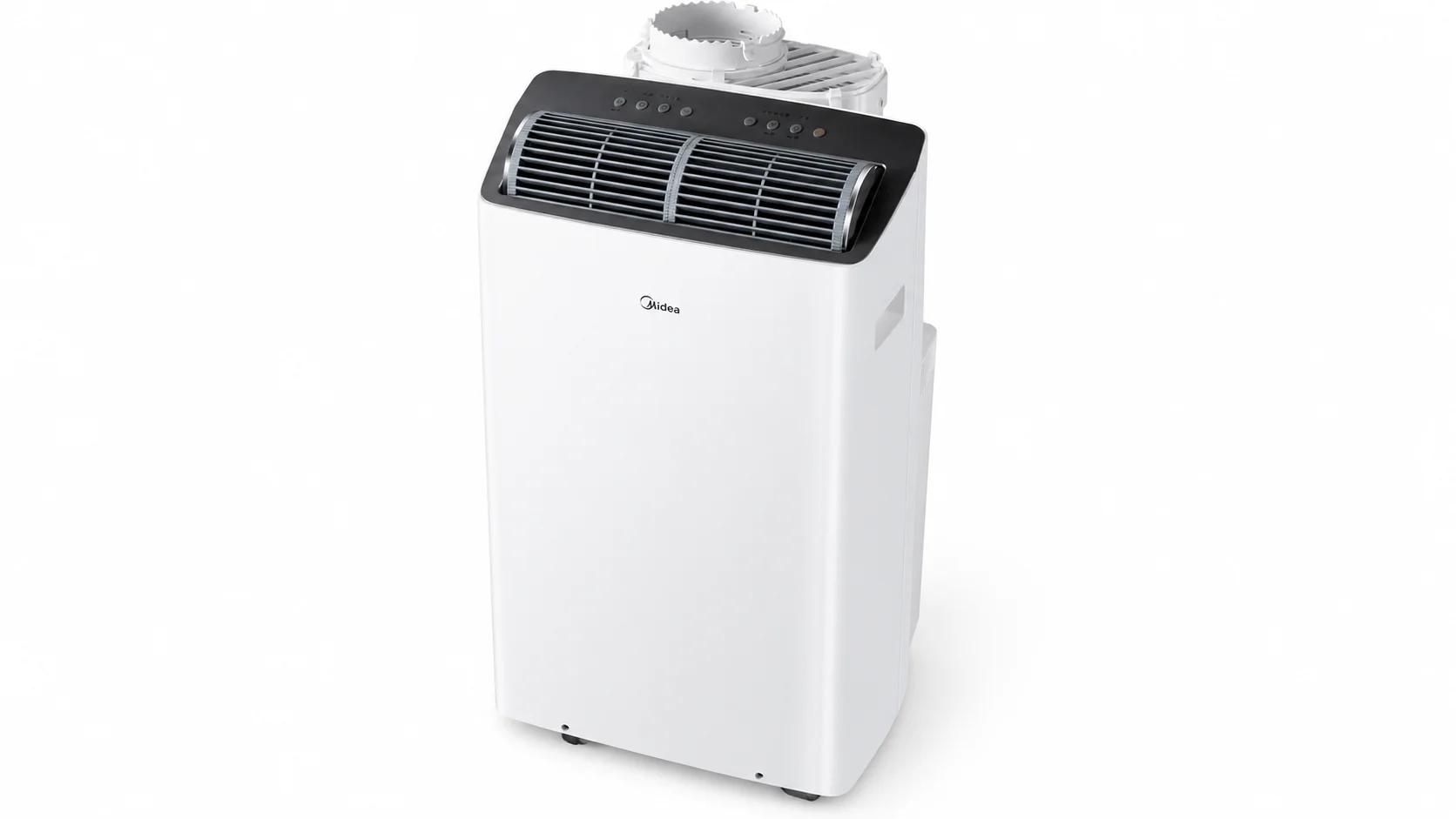
Midea Duo Portable Air Conditioner
The rare portable AC here that combines true dual-hose cooling with an inverter compressor, making it the most complete all-rounder in the group.
Best Value Pick
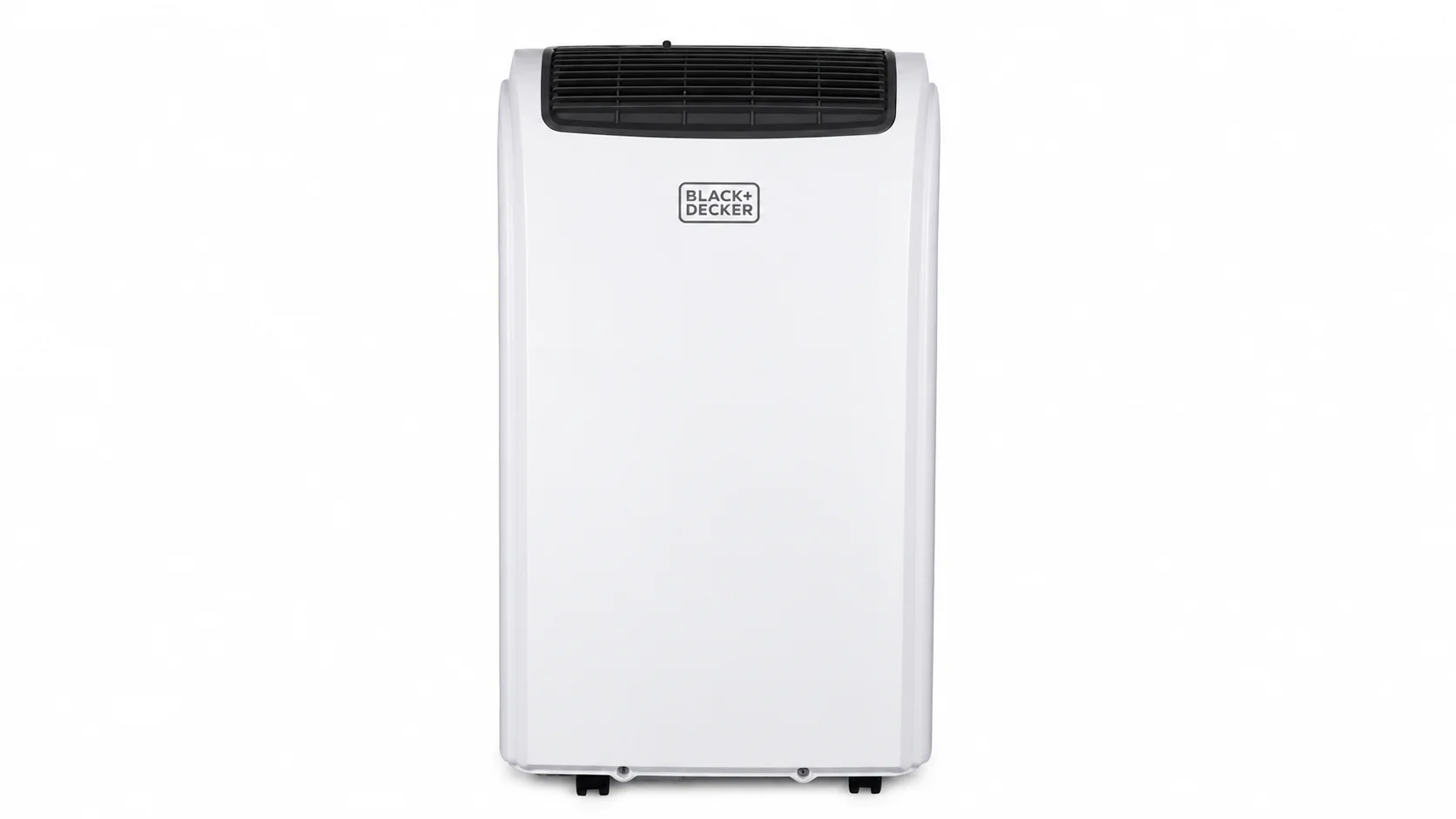
Black+Decker 14000 BTU Portable Air Conditioner
A recognizable mainstream pick that keeps upfront cost in check while still offering useful bedroom-sized cooling.
Best Premium Pick
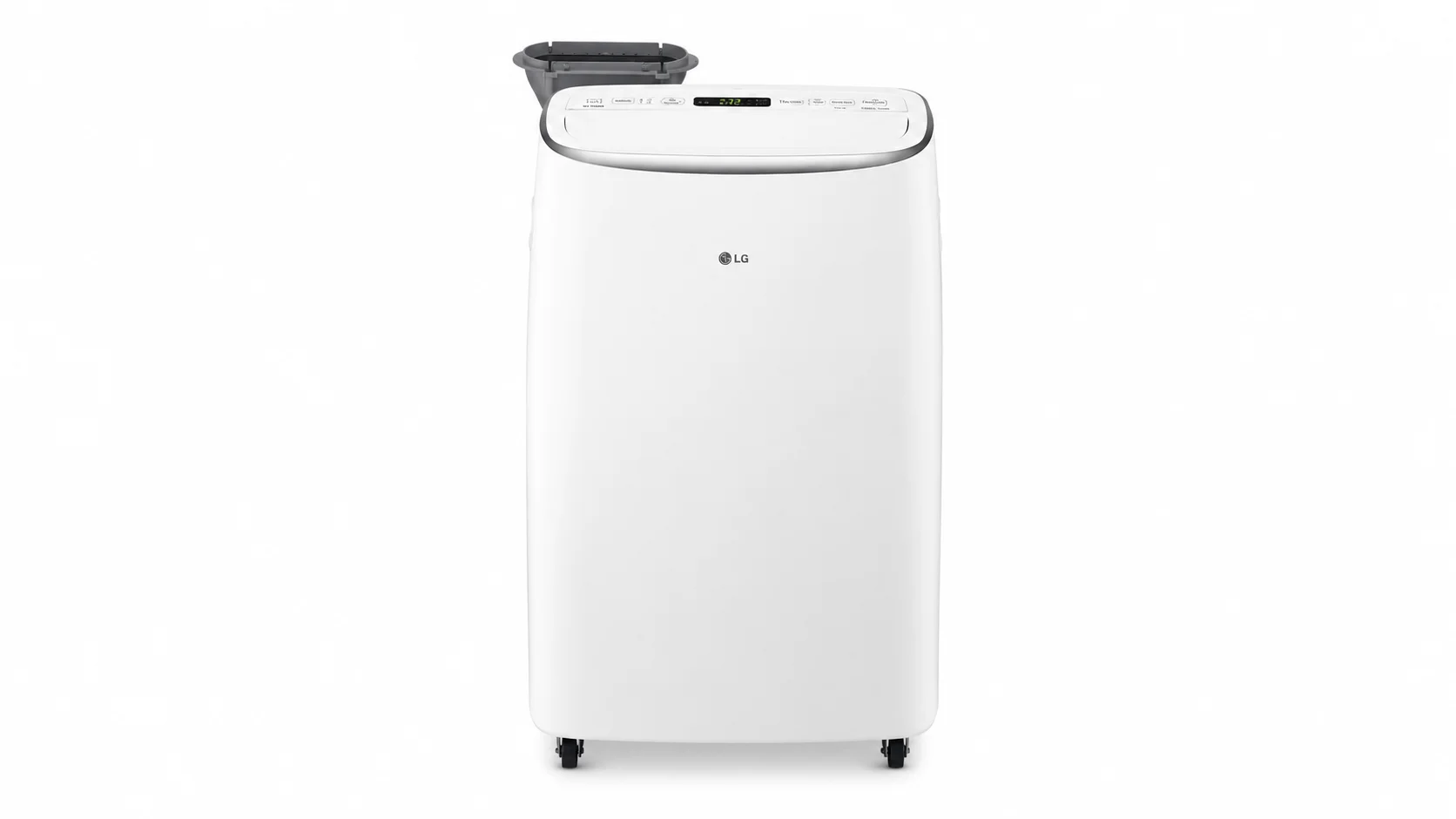
LG 10,000 BTU Portable Air Conditioner
A premium single-hose portable AC that pairs strong real cooling with inverter efficiency and major-brand polish.
Best for Quiet Bedrooms Pick
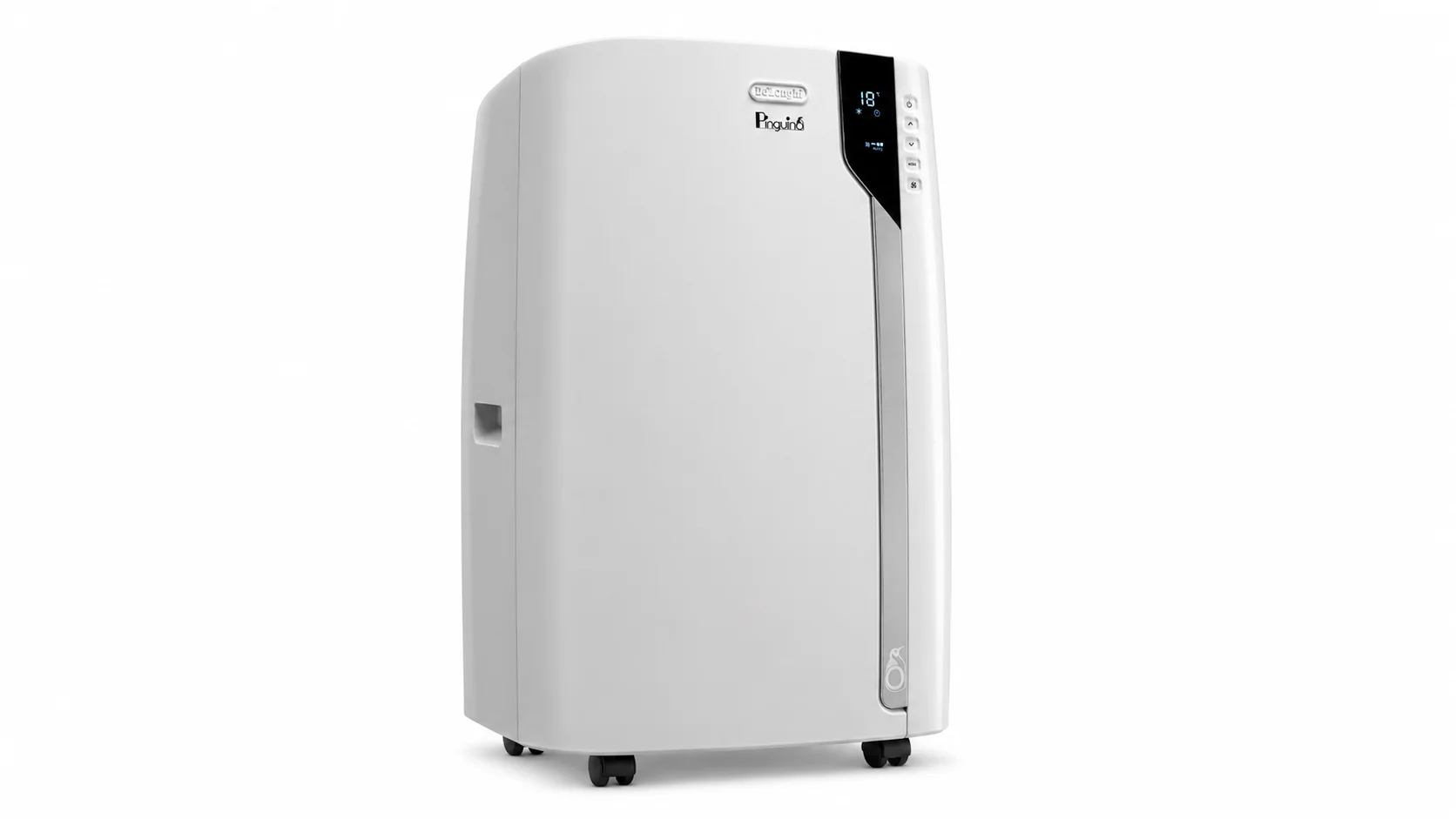
DeLonghi 14000 BTU Portable Air Conditioner
The quiet-bedroom specialist, with a very low 40 dB setting and a remote that helps cool where you actually sit.
How We Evaluated
We assessed each portable air conditioner as a real-world buying decision for Canadian homes, apartments, and condos. That meant focusing on the numbers that matter most in this category, especially real cooling capacity, hose design, noise, window fit, drainage convenience, safety certification, electrical load, efficiency, warranty coverage, and overall ownership value. We also used consumer research to help calibrate how the specs tend to play out in everyday use.
Scoring Factors Explained
Compare Products
See how all 8 products stack up across 20 key specs — from Price to SACC Cooling Capacity.
| Product | Midea Duo Portable Air Conditioner Best Overall | LG 10,000 BTU Portable Air Conditioner Best Premium | 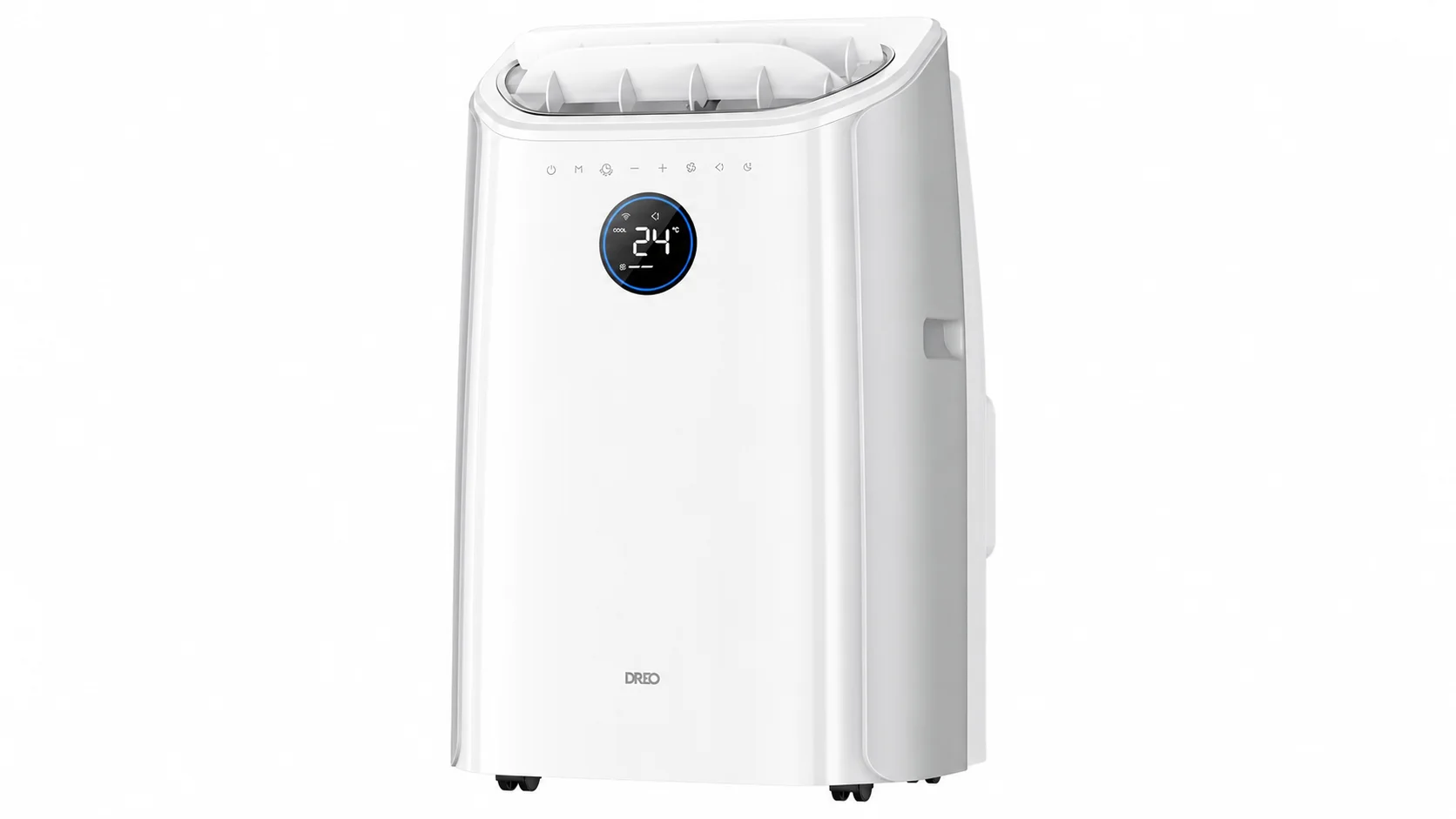 DREO 515S Smart Air Conditioner | Black+Decker 14000 BTU Portable Air Conditioner Best Value | 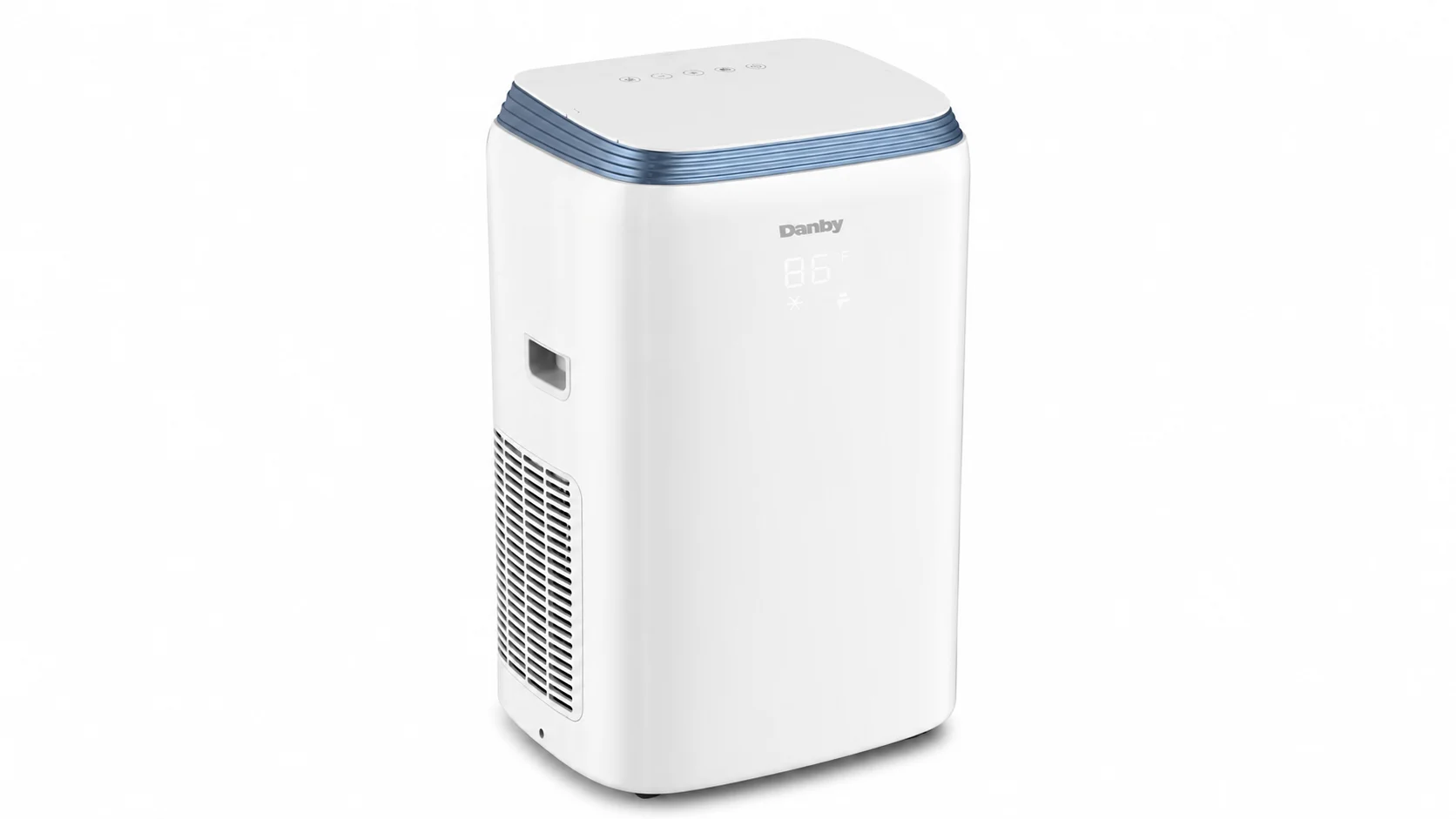 Danby 13000 BTU Portable Air Conditioner | DeLonghi 14000 BTU Portable Air Conditioner Best for Quiet Bedrooms | 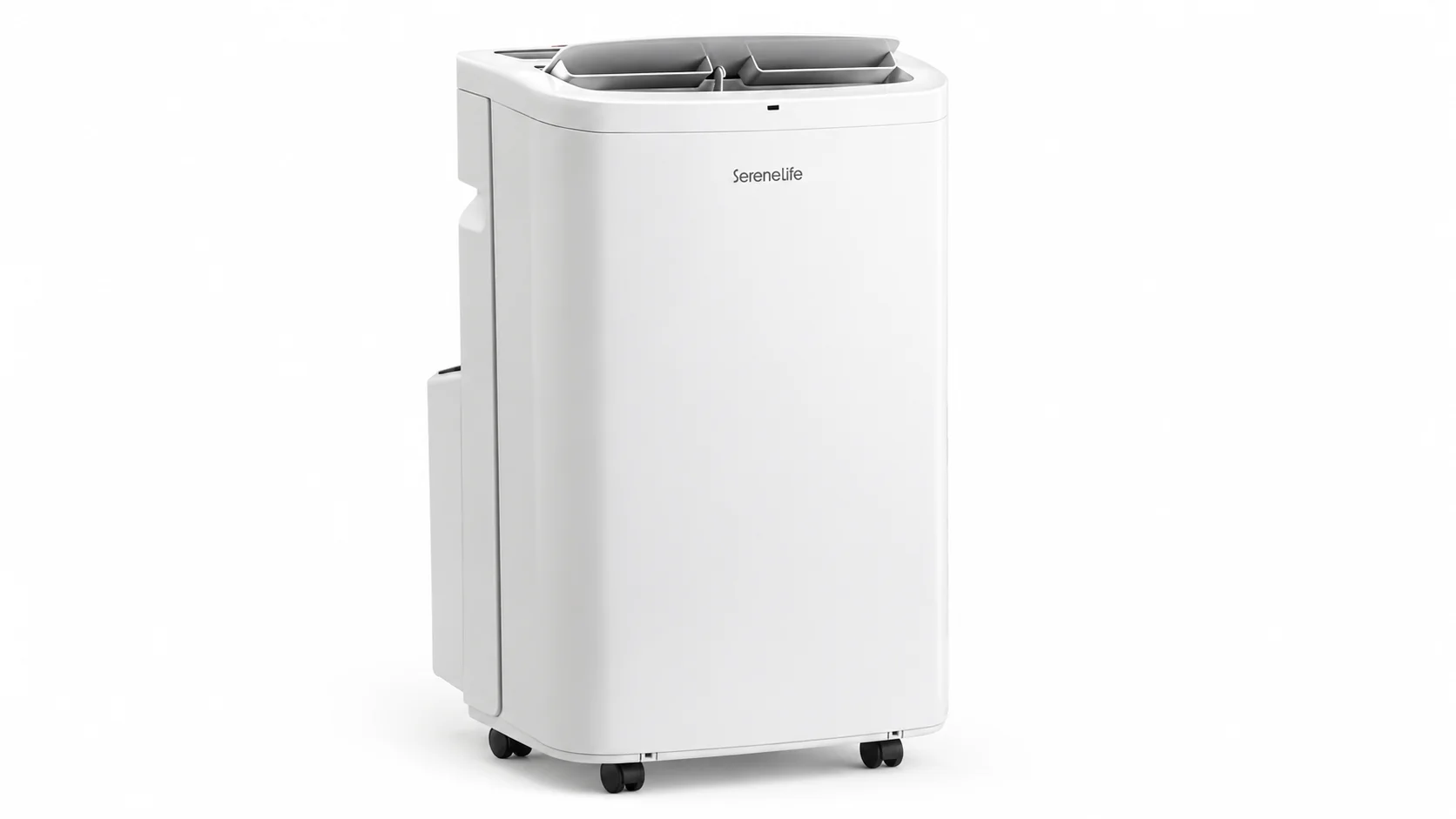 SereneLife 14000 BTU Portable Air Conditioner | 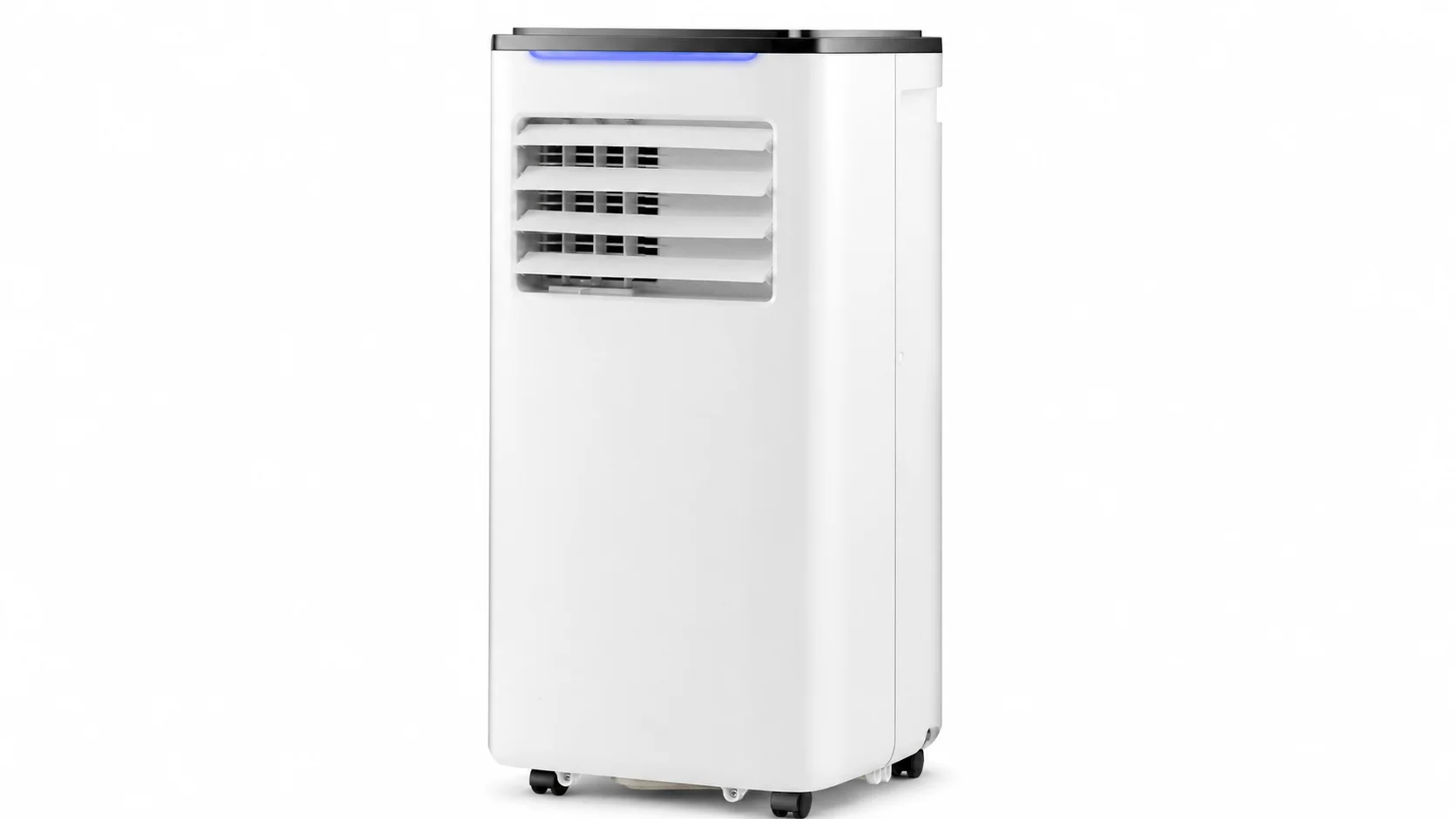 Dortala 10000 BTU Portable Air Conditioner |
|---|---|---|---|---|---|---|---|---|
| Where to Buy | ||||||||
| Score | 8.0 | 7.6 | 7.4 | 6.7 | 6.7 | 6.5 | 6.5 | 6.2 |
| Price | $679.99 | $759.00 | $599.99 | $502.09 | $779.99 | $699.99 | $597.36 | $279.99 |
| Manufacturer Warranty | 1 Year Limited Warranty | 1 Year Parts and Labour Limited Warranty | 1 Year Limited Warranty | 1 Year Limited (Parts and Labour); 5 Years on Compressor | 24 Months Parts and Labour with In-Home Service | 2 Year Limited Warranty | 1 Year Limited Warranty | 1 Year Limited Warranty |
| SACC Cooling Capacity | 10000 BTU | 10000 BTU | 8000 BTU | 8400 BTU | 8000 BTU | 8000 BTU | 10000 BTU | 6000 BTU |
| Hose Type | Dual hose | Single hose | Single hose | Single hose | Single hose | Single hose | Single hose | Single hose |
| Advertised Room Size | 450 sq ft | 500 sq ft | 350 sq ft | 700 sq ft | 350 sq ft | 700 sq ft | 400 sq ft | 280 sq ft |
| Noise Level High Fan | 52 dB | 53 dB | 46 dB | 52 dB | 53 dB | 53 dB | 57 dB | 52 dB |
| Window Kit Compatibility | Horizontal sliding window, Vertical sliding window | Horizontal sliding window, Vertical sliding window | Horizontal sliding window, Vertical sliding window | Horizontal sliding window, Vertical sliding window | Horizontal sliding window, Vertical sliding window | Horizontal sliding window, Vertical sliding window | Horizontal sliding window, Vertical sliding window | Horizontal sliding window, Vertical sliding window |
| Condensate Management | Self-evaporating, Continuous drain outlet | Self-evaporating, Continuous drain outlet | Self-evaporating | Self-evaporating | Self-evaporating, Continuous drain outlet | Self-evaporating, Continuous drain outlet | Self-evaporating, Continuous drain outlet | Self-evaporating |
| WiFi Enabled | ||||||||
| Operating Modes | Cool, Dry, Fan | Cool, Dry, Fan | Cool, Dry, Fan | Cool, Dry, Fan | Cool, Dry, Fan | Cool, Dry, Fan | Cool, Dry, Fan | Cool, Dry, Fan |
| Safety Certifications | ETL | UL, cETL | CSA | ETL | CSA | UL, CSA | ETL | ETL |
| CEER Efficiency | 12 Btu/W | 12.1 Btu/W | 7.3 Btu/W | 6.2 Btu/W | 7.2 Btu/W | 7.6 Btu/W | 7.77 Btu/W | — |
| ASHRAE Cooling Capacity | 12000 BTU | 14000 BTU | 12000 BTU | 14000 BTU | 13000 BTU | 14000 BTU | 14000 BTU | 10000 BTU |
| Dehumidifying Capacity | — | 6 pints day | 50 pints day | 8 pints day | 39.36 pints day | — | 50 pints day | — |
| Noise Level Low Fan | 42 dB | 44 dB | 46 dB | — | — | 40 dB | 48 dB | 50 dB |
| Product Weight | 72.75 lb | 71 lb | 62.92 lb | 59.8 lb | 66.73 lb | 83.33 lb | 69.4 lb | 44 lb |
| Rated Current | 10 A | 9.8 A | 13 A | 12 A | 10 A | 12 A | 11 A | 7.5 A |
| Official Recall Found | ||||||||
| Sleep Mode | ||||||||
| Remote Control Included |
Product Reviews
Midea Duo Portable Air Conditioner
"The rare portable AC here that combines true dual-hose cooling with an inverter compressor, making it the most complete all-rounder in the group."
The Midea Duo is the standout for buyers who want a portable AC to act as close as possible to a serious room-cooling appliance, not just a temporary fix. It cools more convincingly than most single-hose rivals, runs efficiently, and adds smart control, though you pay for that with a larger, heavier body.
Best For
Buyers cooling larger bedrooms, living rooms, or open-concept spaces who care more about real performance and efficiency than portability.
The Pros
- 10,000 BTU SACC output and dual-hose design deliver the strongest real-world cooling in this set
- Inverter compressor and 12.0 CEER make it one of the most efficient portable ACs here
- Very quiet 42 dB low setting for a high-capacity model
- Wi-Fi and voice control are built in
- Continuous drain option adds flexibility for humid conditions
The Cons
- Heavy and bulky compared with simpler portable units
- 1-year warranty is ordinary for a model at this price
- High-setting sound can still be noticeable, especially as a low-frequency hum
- Dry-mode performance is not as impressive as the cooling spec sheet suggests
Watchouts
- Measure both floor space and window area before buying, because the Duo's body and hose assembly are larger than average.
- The included window setup is for horizontal and vertical sliding windows, not casement windows.
- This is a better choice as a semi-permanent room cooler than a unit you plan to move around every day.
LG 10,000 BTU Portable Air Conditioner
"A premium single-hose portable AC that pairs strong real cooling with inverter efficiency and major-brand polish."
LG's model is one of the few portable ACs here that feels convincingly premium, not just expensive. It delivers strong real cooling, excellent efficiency, and useful smart features, but the price is high and it still doesn't escape the basic limitations of a single-hose design.
Best For
Shoppers willing to pay more for a premium-brand portable AC with strong efficiency, smart control, and better-than-average real cooling.
The Pros
- 10,000 BTU SACC output gives it serious real-world cooling for a portable AC
- Dual inverter compressor and 12.1 CEER make it the efficiency leader in this comparison
- Wi-Fi and LG ThinQ support add polished smart control from a major brand
- 44 dB low setting is good for overnight use
- Build quality and appliance-brand credibility are stronger than most lesser-known marketplace options
The Cons
- Premium pricing pushes it well above many mainstream alternatives
- Still a single-hose unit despite the high-end positioning
- 1-year warranty is ordinary for the price
- Consumer research points to some out-of-box defects and quality-control inconsistency
Watchouts
- Inspect cooling performance early in the return window, because most complaints focus on units that were problematic from the start.
- Size it by the 10,000 BTU SACC rating rather than the larger 14,000 BTU marketing figure.
- Its larger body and 71 lb weight make it better as a dedicated room unit than a highly mobile one.
DREO 515S Smart Air Conditioner
"A quiet, app-connected portable AC that feels more polished than most single-hose rivals at this price."
This Dreo lands in a sweet spot for apartment and condo living: enough real cooling for a typical bedroom or small living room, genuinely low noise, and smart controls that are more useful than gimmicky. It is still an 8,000 BTU SACC single-hose unit, so the appeal is convenience and everyday comfort rather than brute-force cooling.
Best For
Apartment, condo, and bedroom buyers who want a quieter portable AC with genuinely useful smart controls for spaces around 350 sq ft.
The Pros
- Very quiet published 46 dB operation, making it one of the easier models here to use overnight
- Wi-Fi, app control, and voice assistant support add more convenience than most similarly priced competitors
- Self-evaporating design reduces the usual portable-AC draining hassle
- Strong dehumidification performance for humid summer conditions
- 350 sq ft room-size claim is more realistic than many oversized marketing claims in this category
The Cons
- Single-hose design is less efficient in real rooms than a dual-hose competitor
- 1-year warranty is short for a model positioned as a more premium smart option
- 8,000 BTU SACC output is best suited to smaller spaces, not larger open areas
Watchouts
- Size it by the 8,000 BTU SACC rating, not the larger 12,000 BTU marketing number.
- The included window kit is for horizontal and vertical sliding windows, not crank or casement windows.
- At 13A, it draws more current than several rivals here, so it deserves a proper wall outlet and careful circuit planning.
Black+Decker 14000 BTU Portable Air Conditioner
"A recognizable mainstream pick that keeps upfront cost in check while still offering useful bedroom-sized cooling."
Black+Decker's appeal is simple: it is widely available, easy to understand, and priced low enough to make sense for buyers who want mainstream-brand reassurance without stepping into premium territory. The tradeoff is that it is noisier and less efficient than the best units here, and its large-room marketing stretches credibility.
Best For
Budget-conscious buyers who want a familiar brand and workable cooling for a bedroom, office, or small living room.
The Pros
- Lower upfront price than most mainstream competitors in this comparison
- Relatively light at under 60 lb, making setup and movement easier
- Straightforward installation and controls suit first-time portable-AC buyers
- 5-year compressor coverage adds a useful long-term ownership backstop
- Real cooling is adequate for a typical bedroom or small living area
The Cons
- 700 sq ft marketing claim is far more optimistic than its real cooling suggests
- Noise is a frequent complaint in regular cooling use
- CEER efficiency is weak compared with better modern alternatives
- Dry-mode performance is limited by its low dehumidification capacity
Watchouts
- Treat this as a portable AC for roughly bedroom-sized spaces, not for the full 700 sq ft printed in marketing.
- The longer warranty protection is mainly on the compressor, not the whole unit.
- If humidity control matters as much as cooling, this model's dry-mode numbers are not especially strong.
Danby 13000 BTU Portable Air Conditioner
"A straightforward choice for buyers who value Canadian brand support and one of the better warranty packages in the category."
Danby's portable AC is a practical, no-frills model aimed at shoppers who care about service coverage more than smart extras. It cools a typical bedroom or small living space well enough, but it is expensive for an 8,000 BTU SACC single-hose machine and it is not especially quiet.
Best For
Canadian shoppers who want mainstream brand support and better warranty coverage for cooling a smaller room.
The Pros
- 24-month parts-and-labour warranty with in-home service is better than most rivals
- CSA certification is reassuring for Canadian buyers
- Dry mode and continuous drain option make it useful in humid weather
- 350 sq ft room claim is more realistic than the oversized claims on some competitors
- Auto-restart adds a little extra convenience during power interruptions
The Cons
- Price is high for a single-hose unit with 8,000 BTU SACC output
- Noise is a recurring complaint, especially during active cooling
- No Wi-Fi or app control
- Consumer research points to recurring shutdown complaints on some units
Watchouts
- Ignore the large 13,000 BTU marketing number and size it by the 8,000 BTU SACC rating instead.
- The included window kit is meant for horizontal and vertical sliding windows, not casement windows.
- If you are buying this model, the stronger warranty is part of the appeal, so it makes the most sense for buyers who care about service support.
DeLonghi 14000 BTU Portable Air Conditioner
"The quiet-bedroom specialist, with a very low 40 dB setting and a remote that helps cool where you actually sit."
DeLonghi's appeal is comfort and refinement rather than raw numbers. It is one of the better options here for overnight use and fixed-room comfort, but it is very heavy, fairly expensive, and still limited by an 8,000 BTU SACC single-hose platform under the hood.
Best For
Buyers who prioritize quieter overnight use and comfort-focused features for a bedroom or another fixed room.
The Pros
- Excellent published 40 dB low setting for bedroom use
- Cool Surround remote helps target comfort at the user's location instead of only near the unit
- 2-year warranty is better than the common 1-year term
- UL and CSA certifications are reassuring
- Continuous drain option adds flexibility in humid conditions
The Cons
- 83 lb weight makes it one of the least portable units here
- Price is high for a single-hose unit with 8,000 BTU SACC output
- No Wi-Fi or app control
- Consumer research points to recurring long-term reliability concerns
Watchouts
- The big 14,000 BTU marketing number does not change the fact that real sizing should be based on its 8,000 BTU SACC output.
- This is best treated as a stay-in-one-room unit because of its weight.
- The included window setup is designed for sliding windows, not casement windows.
SereneLife 14000 BTU Portable Air Conditioner
"A high-capacity-on-paper single-hose model that cools well at first, but asks buyers to accept more long-term risk."
SereneLife looks tempting because the headline specs are strong for the money: 10,000 BTU SACC, a 400 sq ft rating, and a continuous drain option. The issue is confidence over time. This is one of the more cautionary buys in the set because durability complaints show up too often to ignore.
Best For
Buyers who want decent single-room cooling on paper and are comfortable prioritizing upfront capability over long-term confidence.
The Pros
- 10,000 BTU SACC gives it stronger paper cooling capacity than many mid-priced rivals
- 50-point dehumidification rating is strong on the spec sheet
- Continuous drain option adds flexibility for humid environments
- Simple controls and remote make it approachable for less technical buyers
- Single-room cooling performance is generally good when the unit is new
The Cons
- 57 dB high-setting noise is among the loudest here
- Consumer research points to repeated compressor or cooling failures within a relatively short ownership window
- 1-year warranty is not much protection for a model with long-term confidence concerns
- No Wi-Fi or premium convenience features
Watchouts
- Treat this as a value-oriented short-term or occasional-use purchase, not a model with the strongest long-haul ownership case.
- Its single-hose design still limits how well that 10,000 BTU SACC number translates in larger or leakier rooms.
- If quiet operation matters, this is not the best fit for a bedroom.
Dortala 10000 BTU Portable Air Conditioner
"A very low-cost portable AC for very small rooms, with light weight and entry price as the main reasons to consider it."
This Dortala is a bargain-bin portable AC in the truest sense: cheap, compact, and only really believable for a small bedroom or office. It is easy to move and simple to use, but it does not have the cooling headroom, brand support, or overall confidence of the mainstream models in this guide.
Best For
Very budget-conscious shoppers cooling a tiny room who care more about low upfront cost and easy mobility than long-term confidence.
The Pros
- Very low purchase price compared with the rest of the field
- Only 44 lb, making it the easiest unit here to move and store
- Simple controls and included remote keep it approachable
- 280 sq ft positioning is more believable than the inflated room-size claims on many competitors
The Cons
- 6,000 BTU SACC output is the weakest real cooling performance in this comparison
- Generic brand positioning brings less confidence on support and parts availability
- No standout comfort or smart features
- Only suitable for very small spaces
Watchouts
- Treat this as a small-room solution first and foremost; it is not a budget shortcut to mainstream 10,000 BTU-class performance.
- The included window setup follows the usual sliding-window pattern and does not solve casement-window installations.
- This is best approached as a low-cost, short-horizon purchase rather than a model with the strongest long-term ownership case.
How to Choose the Right Portable Air Conditioner
Start with SACC, Not the Biggest BTU Number on the Box
For portable air conditioners, SACC is the cooling figure that matters most because it reflects real-world losses from hose heat and venting. The larger ASHRAE BTU number is still widely advertised, but it often overstates what the unit can actually deliver in your room. If you size by SACC instead of marketing BTUs, you are much less likely to end up disappointed.
Dual-Hose Models Usually Cool Better Than Single-Hose Models
A single-hose portable AC uses indoor air to help reject heat outside, which can create negative pressure and pull warm air back into the room. Dual-hose designs reduce that penalty and usually cool more consistently, especially in larger rooms or hotter weather. They are often bulkier and pricier, but the performance difference can be worth it.
Noise Matters More Than Most Buyers Expect
Portable air conditioners sit inside the room with you, so even a strong model can become annoying if it is too loud. Pay attention to both low and high dB ratings. A unit that sounds acceptable in a living room during the day may still feel too loud for a bedroom, office, or nursery at night.
Check Your Window Type and Drainage Needs Before You Buy
Most portable AC kits are designed for horizontal or vertical sliding windows. If you have a crank or casement window, you may need a different solution. Also remember that self-evaporating models reduce draining, but they do not always eliminate it in humid conditions, so a continuous drain option can be useful.
Think About Ownership Cost, Not Just Purchase Price
A cheap portable AC is not automatically a good value if it is noisy, inefficient, or lightly supported. Look at CEER for likely operating cost, warranty coverage for peace of mind, and whether the unit's room-size claim matches its real cooling class. Established brands often cost more, but they can make more sense if you plan to keep the unit for several summers.
Frequently Asked Questions
Start with the room size you actually want to cool, then size the unit by SACC rather than the larger marketing BTU number. For most buyers, it is smarter to choose a model that is honest about bedroom or small living-room use than one that makes oversized claims it cannot really support.
SACC stands for Seasonally Adjusted Cooling Capacity. It is the best quick measure of real-world portable AC performance because it accounts for losses that older ASHRAE BTU ratings do not. If you ignore SACC, you can easily overestimate how much cooling a portable unit will provide.
Often, yes. Dual-hose models usually cool more effectively because they avoid pulling as much warm replacement air back into the room. They tend to cost more and take up more space, but the performance benefit can be noticeable.
They can be, but noise is the key issue. Look for a lower published dB rating on low fan or sleep mode, and remember that even quieter portable ACs still make more in-room noise than many other cooling options because the compressor is indoors with you.
Sometimes. Self-evaporating designs reduce how often you have to deal with water, but they do not always eliminate draining in hot and humid conditions. If you live in a very humid area, a unit with a continuous drain option can be easier to manage.
Not always. Most included window kits are designed for horizontal or vertical sliding windows, which is why this is one of the most common buyer mistakes. If you have a crank or casement window, confirm compatibility before buying.
It is best to avoid it unless the manufacturer explicitly says otherwise. Portable ACs can draw substantial current for long periods, and a proper wall outlet is the safer choice.