The Best Dehumidifiers for Canadian Homes: Our Top Picks After Comparing Popular Models
We compared 6 popular dehumidifiers to find the best picks for Canadian basements and living spaces. See top overall, value, and pump options plus sizing tips to hit 30–50% humidity.
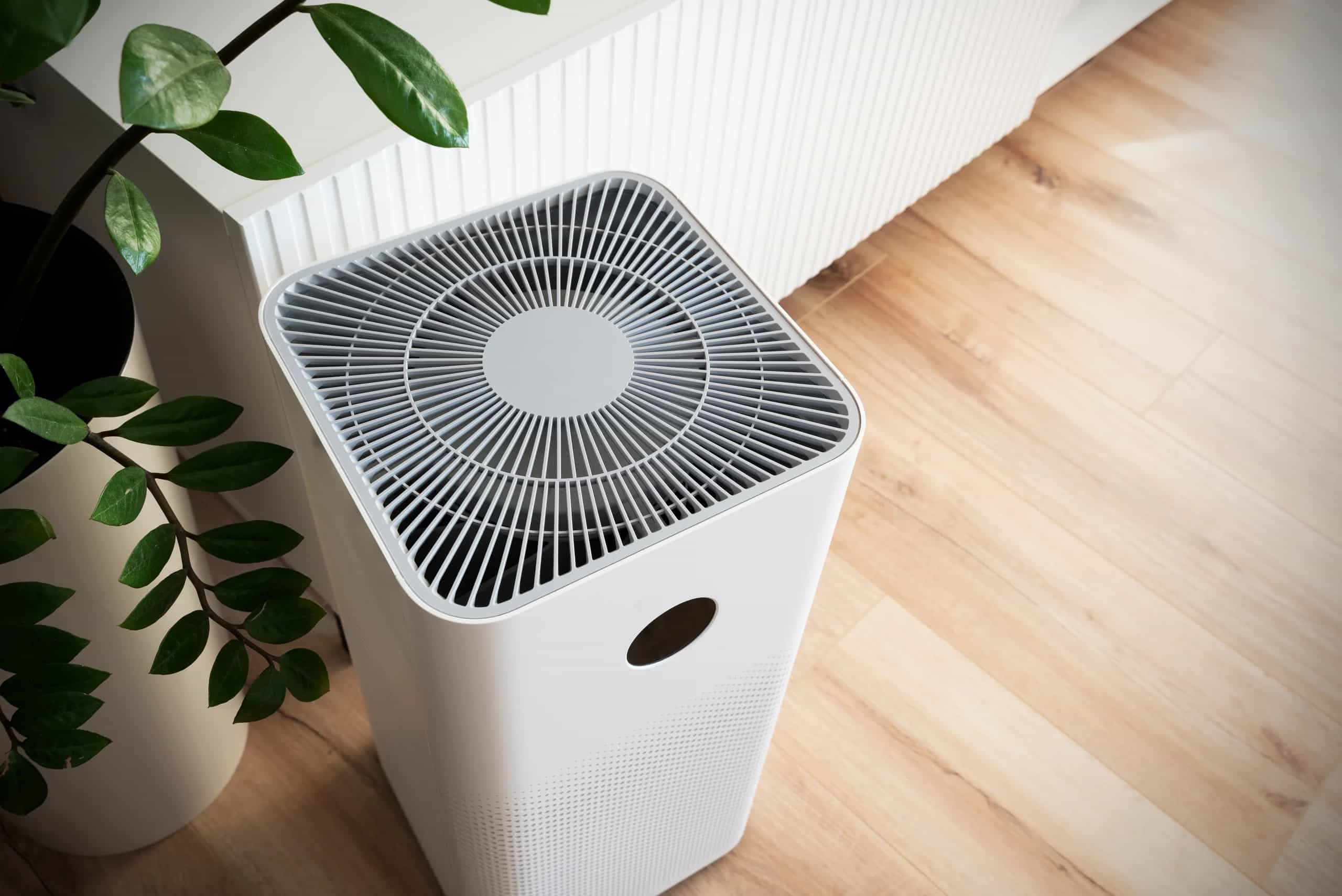
Credit: Shutterstock
A dehumidifier can solve real problems fast: musty smells, damp basements, condensation, and the kind of lingering moisture that leads to mould and uncomfortable rooms. But this is also a category where buyers get tripped up easily, often confusing bucket size with drying capacity, assuming every ENERGY STAR model performs the same, or overlooking how much drainage setup and noise will matter once the unit is actually running in the home.
We evaluated 6 dehumidifiers available in Canada, scoring each across performance, ease of use, durability, features, and value. We looked closely at moisture-removal capacity, sound levels, low-temperature operation, tank size, drainage flexibility, ENERGY STAR efficiency, warranty coverage, and official recall context, then calibrated that picture against ownership feedback.
The result is a guide built to help you choose the right fit for your space, whether you need a quiet all-rounder, the best value for a damp basement, or a model with specific drainage advantages.
Our Top Picks: Dehumidifiers
Best Overall Pick
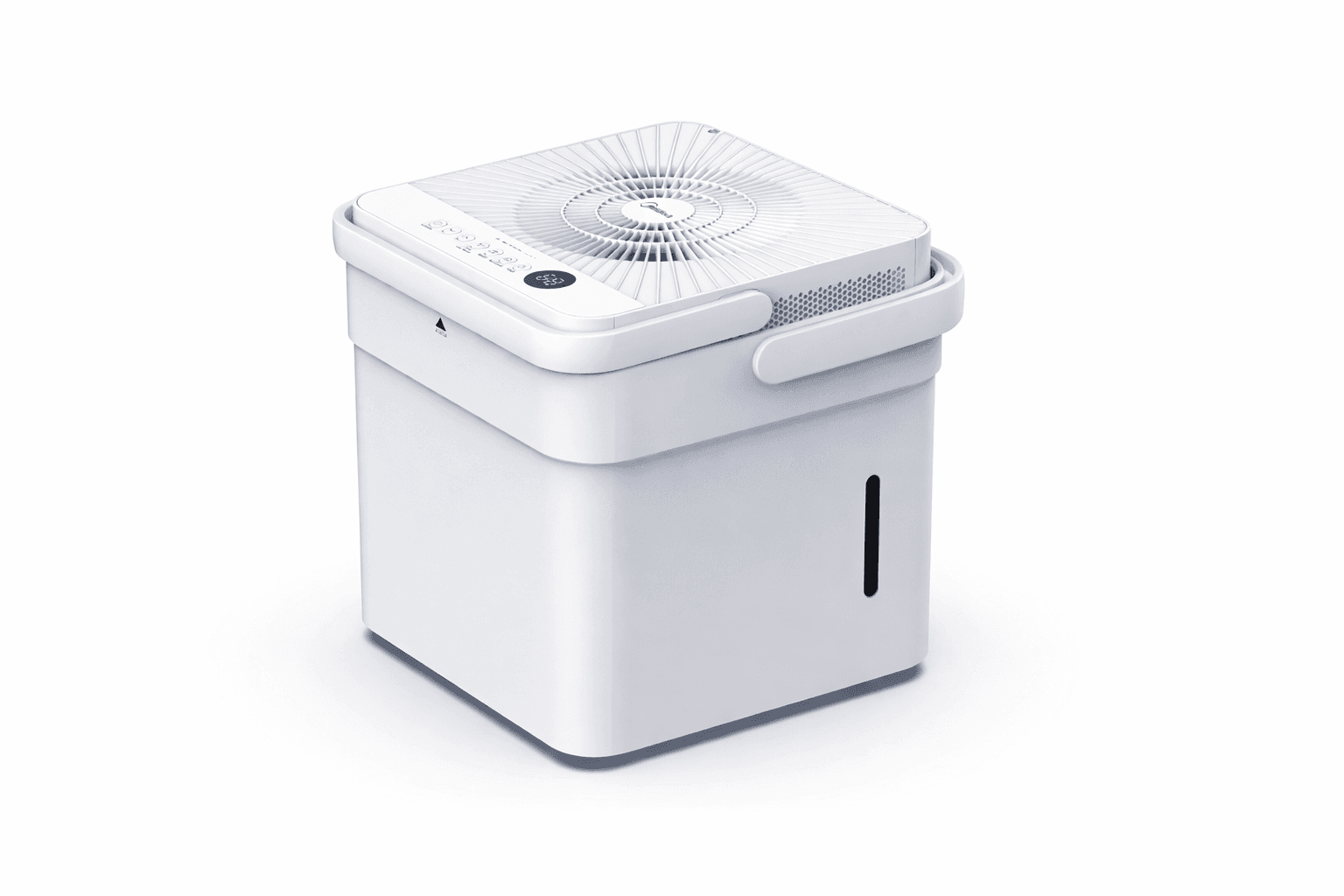
Midea Cube 50-Pint Smart Dehumidifier
A rare combination of quiet operation, strong efficiency, smart control, and a genuinely large bucket makes this the most well-rounded dehumidifier in the group.
Best Value Pick
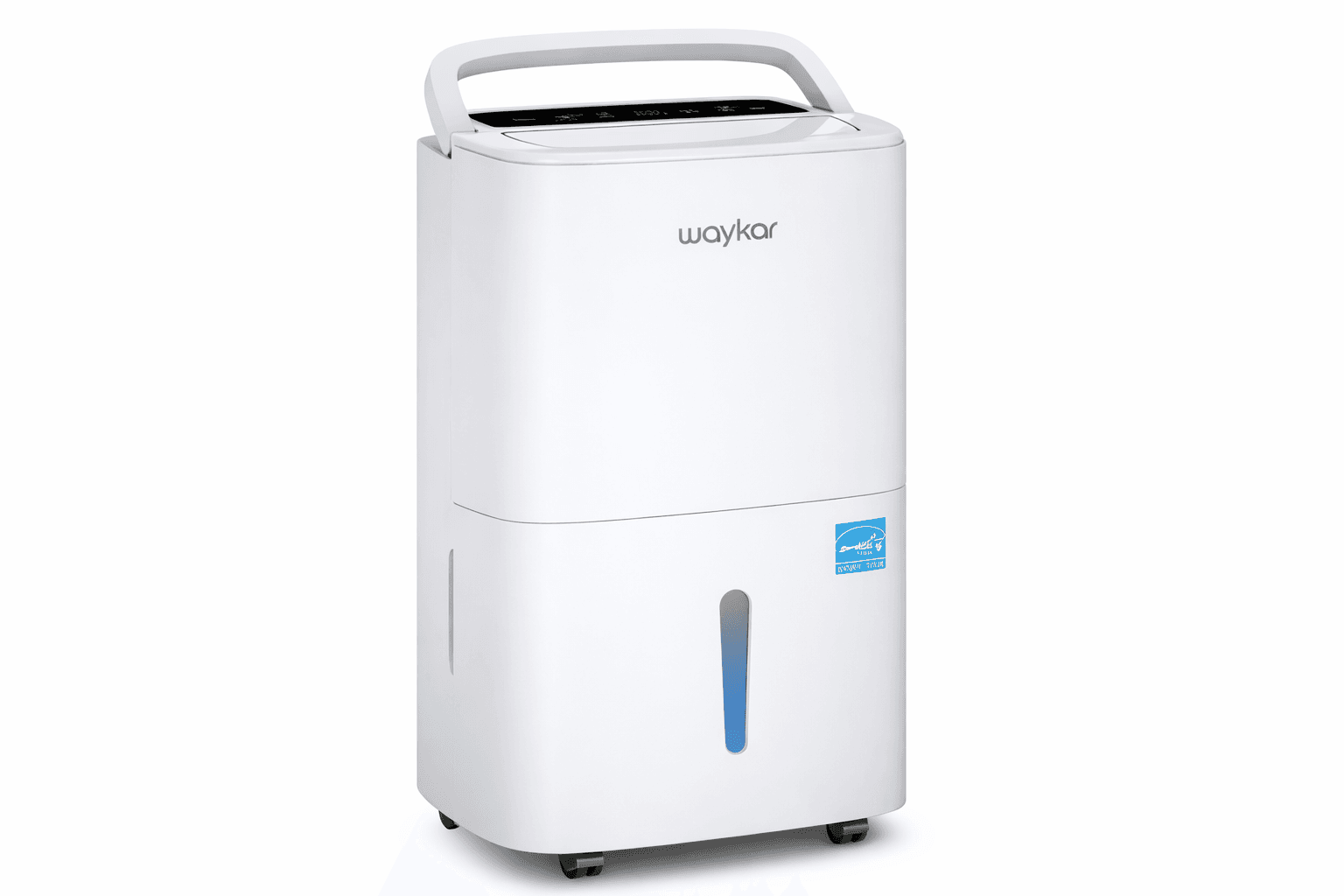
Waykar 80-Pint Energy Star Dehumidifier
If your priority is maximum drying power and excellent efficiency for the money, this is the strongest bargain in the lineup.
Best Premium Pick
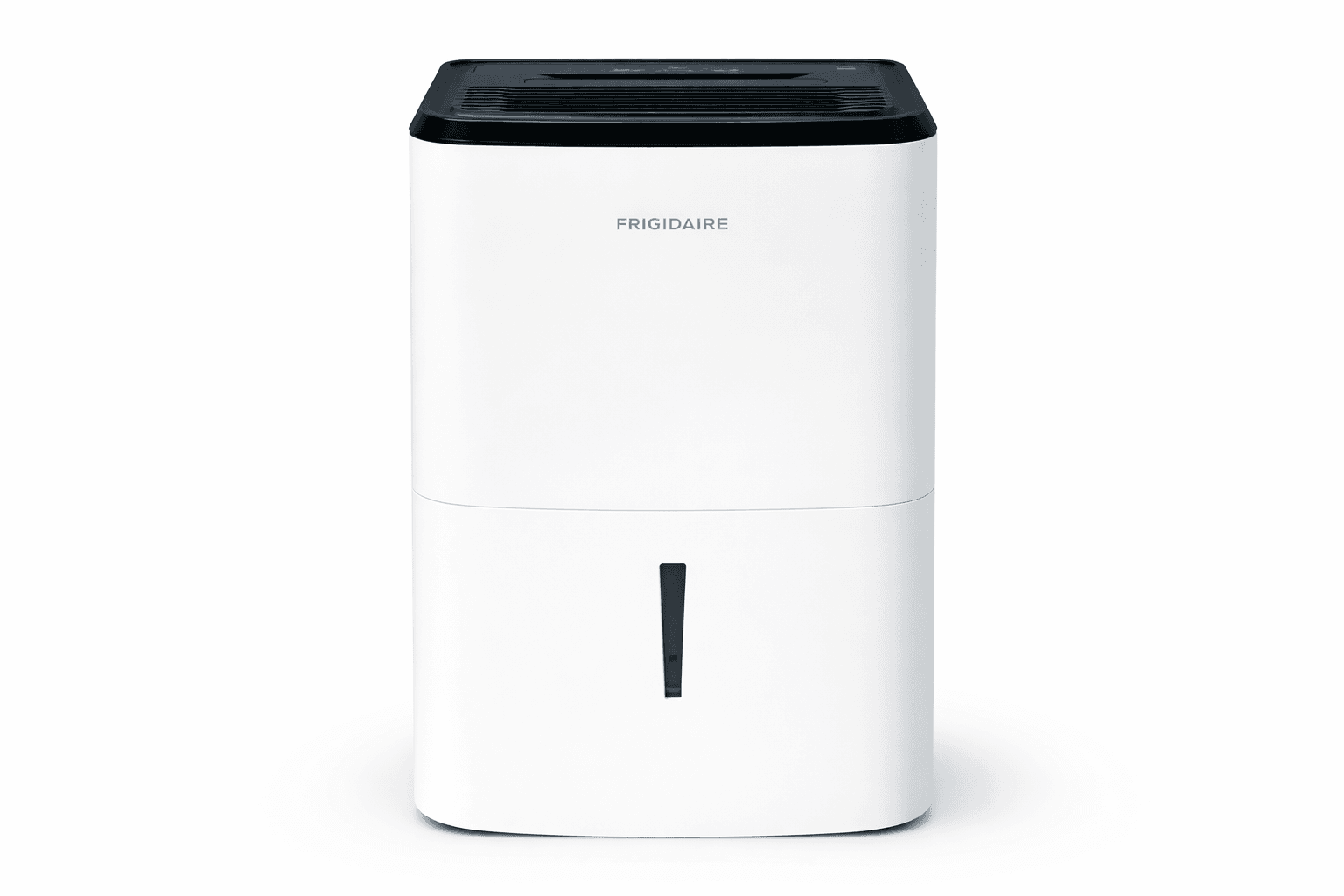
Frigidaire 50-Pint Dehumidifier
The case for this model is traditional appliance-brand familiarity paired with full pump-equipped drainage flexibility.
Best for Fewer Emptying Trips Pick
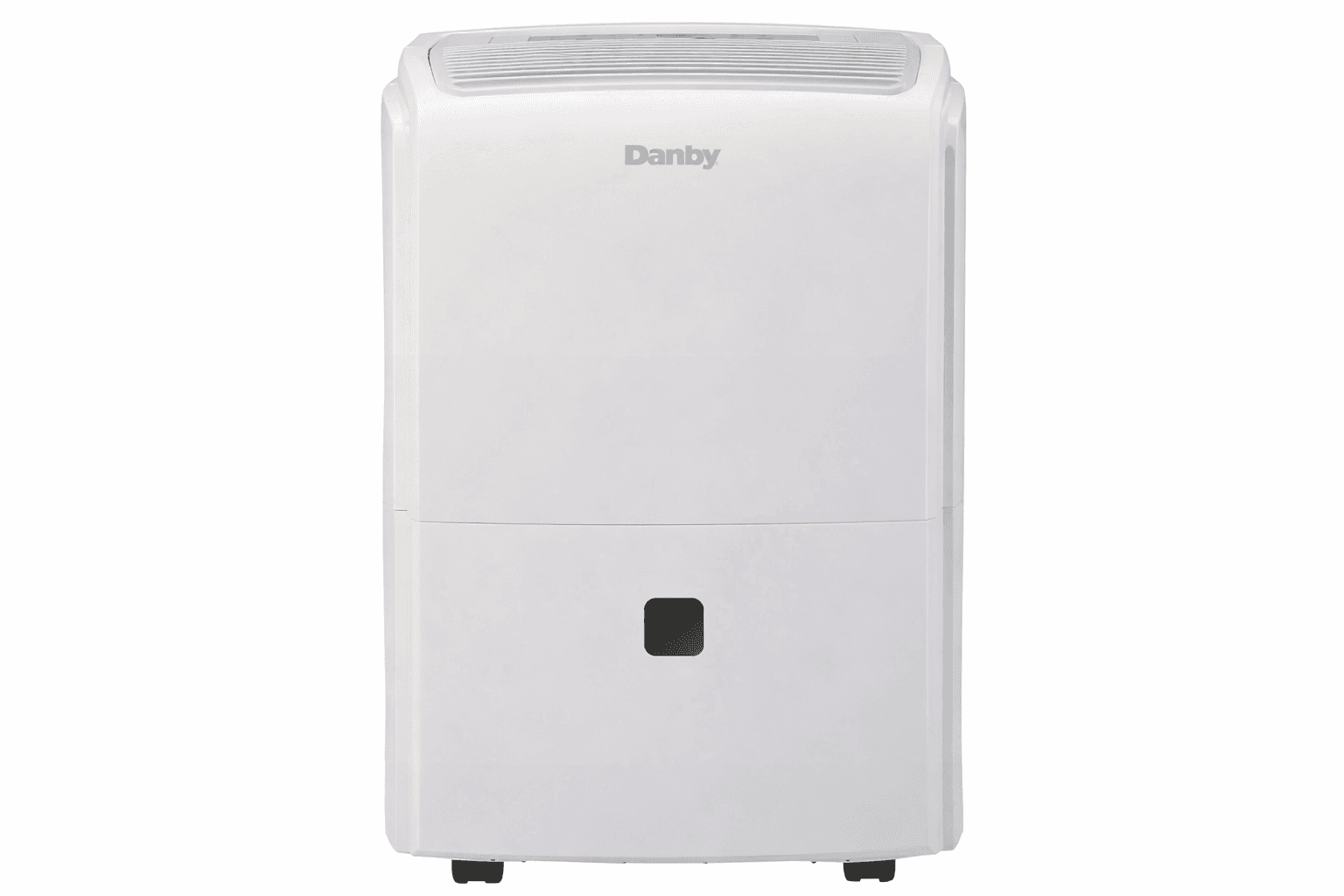
Danby 50-Pint Dehumidifier with Pump
The giant bucket is the reason to buy this one: it is the clear choice for people who are tired of frequent emptying trips.
How We Evaluated
We assessed each dehumidifier as a Canadian home appliance purchase, focusing on the things that matter most once the unit is installed: how much moisture it can remove, how easy it is to drain and maintain, how efficient it is to run, whether there are meaningful safety concerns, and whether the price makes sense for what you get. Our comparisons combine manufacturer specifications, published efficiency information, warranty terms, and official recall context, with ownership feedback used to calibrate the picture where it reinforced or complicated the specs.
Scoring Factors Explained
Compare Products
See how all 6 products stack up across 8 key specs — from Price to Integrated Energy Factor IEF.
| Product | 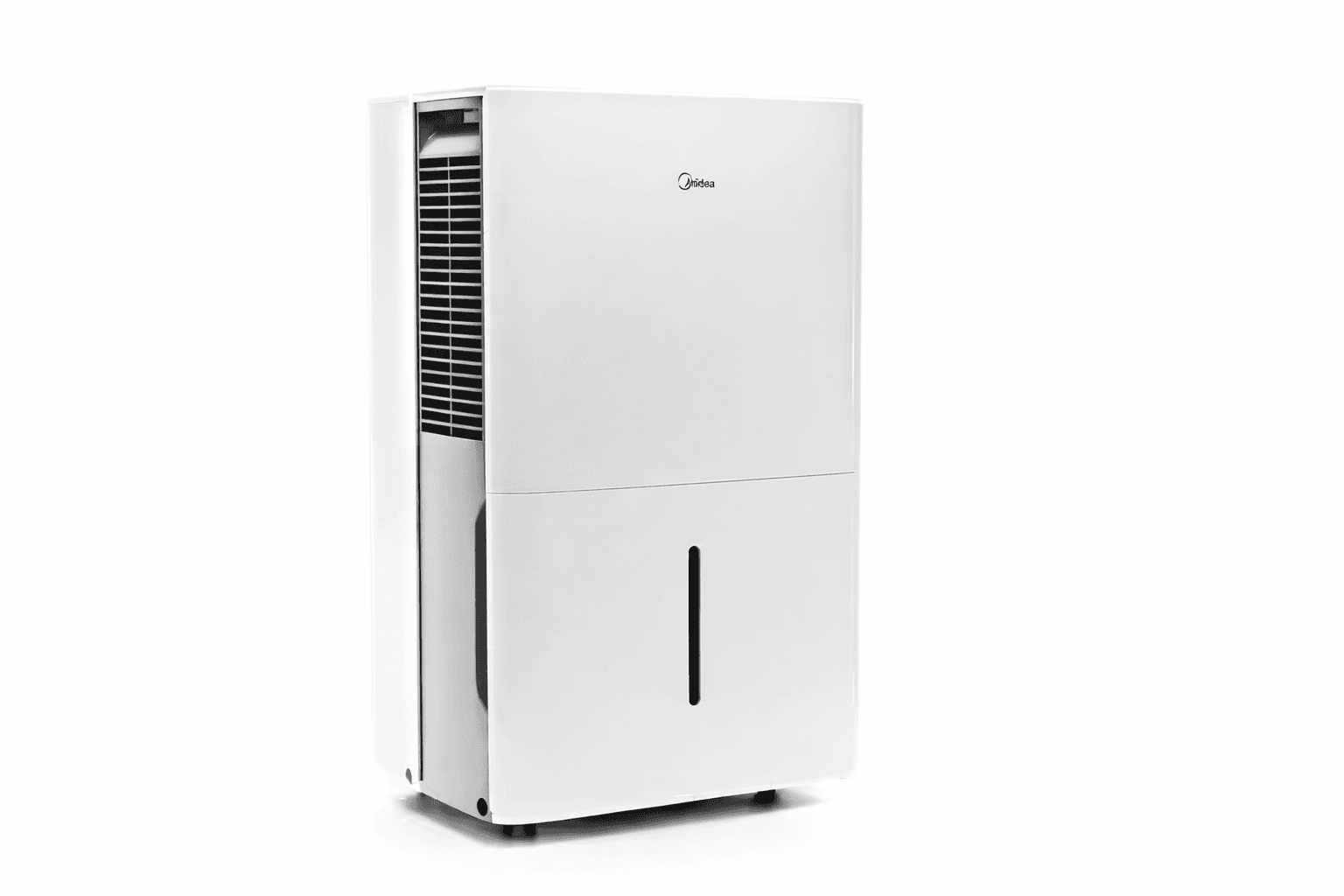 Midea Cube 50-Pint Smart Dehumidifier Best Overall | Waykar 80-Pint Energy Star Dehumidifier Best Value | 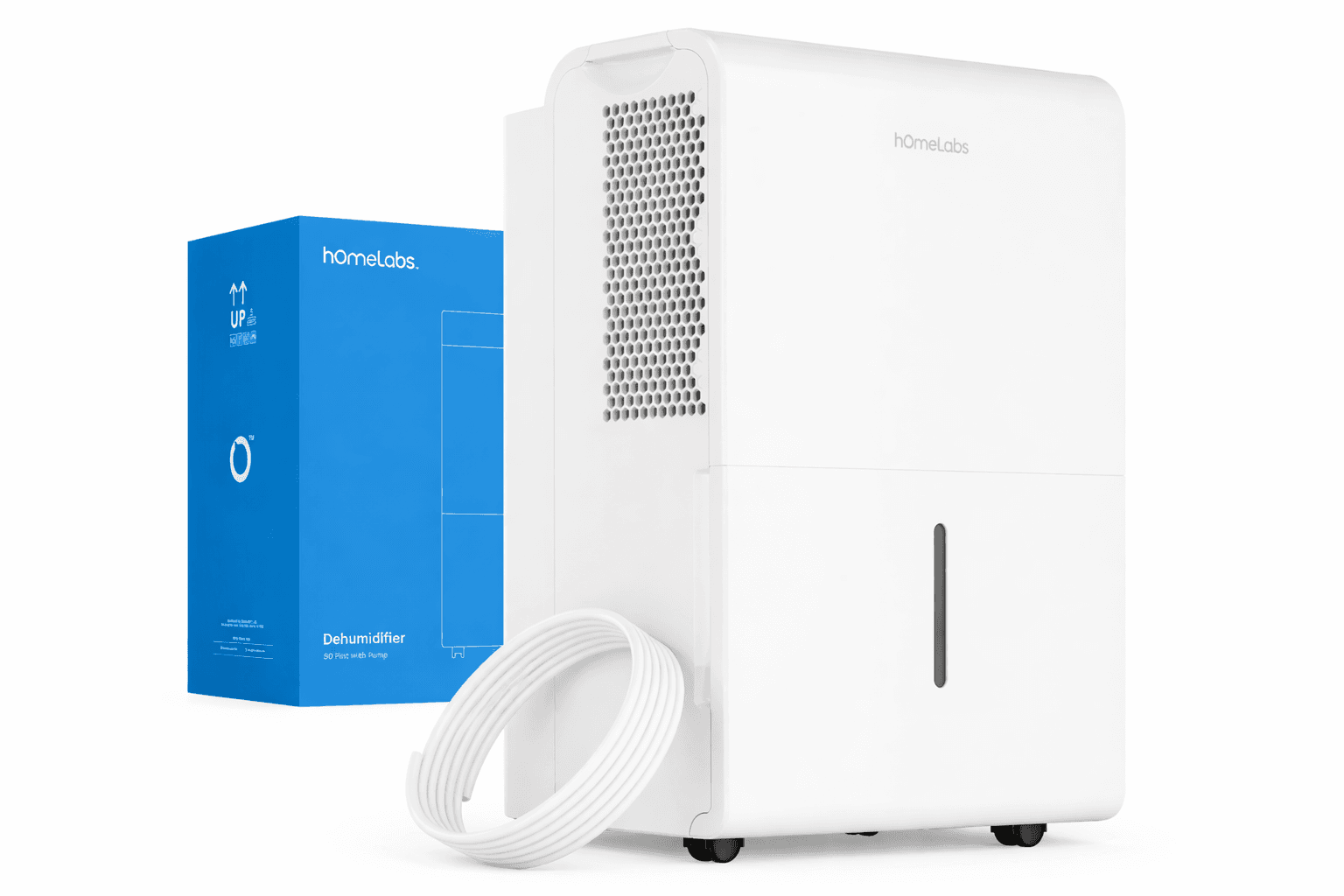 hOmeLabs 50-Pint WiFi Dehumidifier with Pump | Danby 50-Pint Dehumidifier with Pump Best for Fewer Emptying Trips | 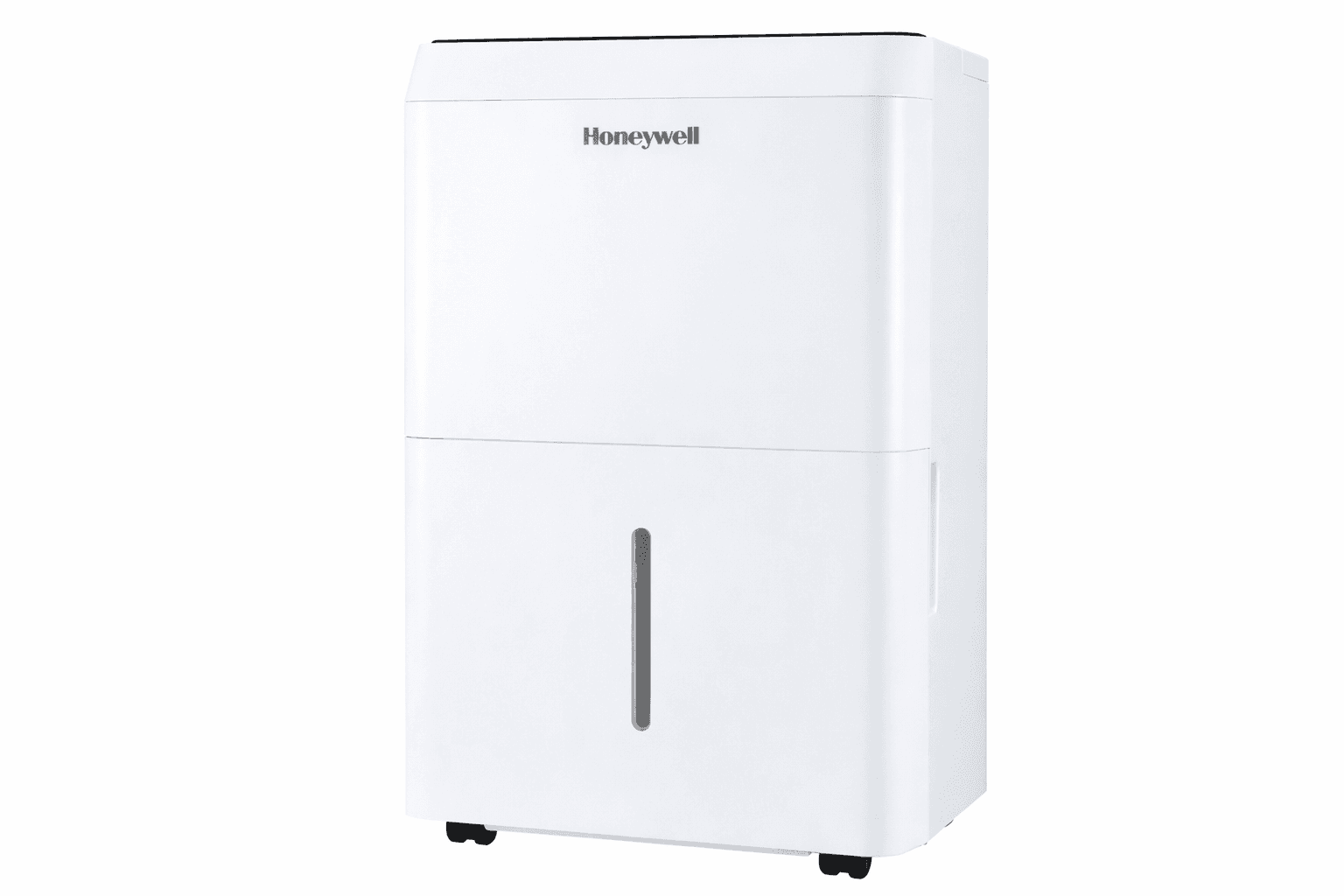 Honeywell 50-Pint Dehumidifier | Frigidaire 50-Pint Dehumidifier Best Premium |
|---|---|---|---|---|---|---|
| Where to Buy | ||||||
| Score | 8.1 | 7.5 | 7.2 | 7.1 | 6.8 | 6.6 |
| Price | $329.99 | $299.99 | $801.99 | $505.63 | $499.99 | $692.04 |
| Moisture Removal Capacity | 50 pints/day | 80 pints/day | 50 pints/day | 50 pints/day | 50 pints/day | 50 pints/day |
| Integrated Energy Factor IEF | 2.8 L/kWh | — | 1.9 L/kWh | 1.5 L/kWh | — | 1.8 L/kWh |
| Water Tank Volume | 16.1 L | 4.3 L | 6.1 L | 23.6 L | 6.63 L | 7.57 L |
| Drainage Options | bucket, hose | bucket, hose | bucket, hose, pump | bucket, hose, pump | bucket, hose, pump | bucket, hose, pump |
| Maximum Sound Level | 45 dB | 42 dB | 50 dB | 56 dB | 51 dB | 51 dB |
| Smart Connectivity Enabled | ||||||
| Manufacturer Warranty | 1 Year Parts & Labor Warranty | 1 Year Warranty with 2nd Year Extension Upon Registration, Lifetime Tech Support | 1 Year Manufacturer Warranty | 2 Year Limited Carry-In Warranty | 1 Year Limited Warranty, 4 Years on Sealed System Components | 1 Year Parts & Labor Warranty |
Product Reviews
Midea Cube 50-Pint Smart Dehumidifier
"A rare combination of quiet operation, strong efficiency, smart control, and a genuinely large bucket makes this the most well-rounded dehumidifier in the group."
This is the standout all-rounder for most Canadian buyers who want a full-size dehumidifier without giving up comfort or efficiency. Its cube design is not just cosmetic: it allows for one of the biggest tanks here, while the low noise rating and Wi-Fi control make it easier to live with day to day.
Best For
Homeowners who want the best balance of quiet operation, efficiency, smart control, and everyday convenience in a full-size 50-pint unit.
The Pros
- Very efficient 2.7-2.8 L/kWh performance keeps operating costs lower than most 50-pint rivals
- Quiet 45 dB maximum sound level is easier to place near living spaces
- Huge 16.1 L bucket reduces emptying frequency compared with typical portable models
- Useful Wi-Fi app control adds real convenience rather than feeling like a throwaway feature
The Cons
- No confirmed built-in pump limits placement if you need to drain upward
- Only a 1-year warranty
- Longer-term ownership feedback points to some sensor drift and seasonal restart issues
Watchouts
- If you need to drain to a sink or laundry tub above the unit, this is not the easiest fit because a built-in pump is not confirmed.
- The cube format becomes taller when fully deployed, so make sure you have the vertical clearance where you plan to use it.
- This model is strongest in spaces that stay above 5 C; it is not the cold-basement specialist in this lineup.
Waykar 80-Pint Energy Star Dehumidifier
"If your priority is maximum drying power and excellent efficiency for the money, this is the strongest bargain in the lineup."
Waykar takes a different approach from the feature-heavy 50-pint models: it gives you more capacity, better low-temperature operation, and class-leading efficiency at the lowest price in the group. That makes it especially appealing for big, damp basements where raw moisture removal matters more than smart controls.
Best For
Buyers dealing with a large, damp basement who want the most moisture removal per dollar and can take advantage of hose drainage.
The Pros
- Highest capacity here at 80 pints/day
- Excellent 3.14 L/kWh efficiency helps keep hydro costs down
- Very competitive $299.99 price for this level of output
- Low 2 C operating temperature is better suited to cooler basement conditions
- Quiet 42 dB rating is impressive for a higher-capacity machine
The Cons
- Small 4.3 L bucket fills quickly in damp conditions
- No built-in pump
- No app control or other smart-home features
Watchouts
- With only a 4.3 L tank, this model makes the most sense if you can run a hose to a floor drain or sump area.
- The second year of warranty support depends on registration, so do not skip that step after purchase.
- Its 80-pint output is aimed at larger or wetter spaces; it is more machine than many small rooms actually need.
hOmeLabs 50-Pint WiFi Dehumidifier with Pump
"This is the feature-rich pick for buyers who want both app control and a built-in pump without paying premium-brand pricing."
hOmeLabs packs in the convenience features many buyers actually want: Wi-Fi control, multiple drainage options, and a built-in pump for tricky basement setups. It offers a lot on paper for the money, but it is harder to recommend without reservation because long-term reliability looks less convincing than its first impression.
Best For
Buyers who want smart control and pump drainage at a reasonable upfront price and are comfortable prioritizing convenience over long-term peace of mind.
The Pros
- Built-in pump, hose drain, and bucket operation give it excellent installation flexibility
- Wi-Fi control adds genuine convenience for remote monitoring
- Competitive price for a pump-equipped smart model
- Generally quiet day-to-day reputation compared with many full-size dehumidifiers
The Cons
- Only average energy efficiency for the class
- 1-year warranty is basic
- Ownership feedback points to recurring E3 errors, compressor issues, and durability concerns over time
Watchouts
- If you plan to empty it manually, the 6.1 L tank is only average for a 50-pint machine.
- Repeated alarm sounds are a real annoyance in ownership feedback and worth knowing about before buying.
- This is a good candidate for extra coverage because the pump-and-compressor convenience comes with more reliability risk than the leaders.
Danby 50-Pint Dehumidifier with Pump
"The giant bucket is the reason to buy this one: it is the clear choice for people who are tired of frequent emptying trips."
Danby leans hard into practical basement convenience with a massive water tank, full drainage flexibility, and a longer-than-average 2-year warranty. It also brings some Canadian-brand appeal, but it gives back ground on noise and long-term consistency.
Best For
Buyers who want a Canadian brand and place the highest value on a giant bucket and flexible drainage in a utility-space installation.
The Pros
- Huge 23.6 L bucket is unmatched in this comparison
- Bucket, hose, and pump drainage cover almost any basement layout
- 2-year warranty is better than the category norm
- Solid 2.24 L/kWh efficiency is better than several direct rivals
The Cons
- 56 dB maximum sound level is the loudest in the group
- No confirmed smart connectivity in the structured feature set
- Ownership feedback still points to mixed reliability, especially around pump and fan issues
Watchouts
- That oversized bucket is convenient until it is full; expect a heavy lift if you plan to empty by hand.
- This is a basement-first machine, not the one to choose for a quiet finished room.
- The 2-year warranty is genuinely helpful, but it should be seen as a safety net rather than proof that failures are unlikely.
Honeywell 50-Pint Dehumidifier
"Honeywell's appeal is simple: it offers a familiar HVAC brand name, pump drainage, and smart control in one package."
This model checks a lot of boxes on paper, including Wi-Fi, a pump, and sealed-system coverage beyond the usual 1-year term. The problem is that it asks a fairly high price without clearly separating itself from better-balanced alternatives, and ownership confidence looks shakier than the specs suggest.
Best For
Brand-loyal buyers who want pump drainage and app control from a familiar HVAC name and are comfortable paying more for it.
The Pros
- Built-in pump, hose drain, and bucket options make installation flexible
- Smart connectivity is included
- Sealed-system warranty coverage extends beyond the standard 1-year whole-unit term
- ENERGY STAR certification keeps it from being an outright power hog
The Cons
- Middling 1.8 L/kWh efficiency
- 51 dB sound rating is not especially quiet
- Price is hard to justify given recurring reports of sensor and compressor issues
Watchouts
- The longer sealed-system coverage does not replace broader full-unit coverage on the rest of the machine.
- If very stable humidity readings matter to you, this model inspires less confidence than the leaders.
- At this price, it really needs to be bought for the brand and drainage flexibility rather than for outright value.
Frigidaire 50-Pint Dehumidifier
"The case for this model is traditional appliance-brand familiarity paired with full pump-equipped drainage flexibility."
Frigidaire goes after buyers who want a straightforward, recognizable appliance rather than a design-forward smart model. It dries competently and offers every major drainage option, but its very high price and only average efficiency make it a tough value sell against stronger modern rivals.
Best For
Buyers who strongly prefer an established appliance brand and want a traditional, pump-equipped dehumidifier without caring much about price.
The Pros
- Bucket, hose, and built-in pump drainage make placement easy
- 7.57 L bucket is larger than many competitors
- Established appliance brand with a familiar no-fuss layout
- Strong 50-pint class drying performance on paper
The Cons
- By far the highest price in the lineup
- Only average 1.8 L/kWh efficiency
- No confirmed smart connectivity
- 51 dB sound level is not ideal for quieter rooms
Watchouts
- You are paying a steep premium here for brand familiarity and pump drainage rather than standout efficiency.
- This is best kept to basement or utility duty, not a bedroom-adjacent placement.
- If app control matters to you, this traditional control-panel design will feel dated.
How to Choose the Right Dehumidifier
Start With Capacity, Not the Bucket
The most important spec is how much moisture a unit can remove in 24 hours, not how much water the bucket holds. A lightly damp room may be fine with a standard full-size model, while a very wet basement often benefits from a higher-capacity machine. Many buyers accidentally undersize their dehumidifier and then wonder why the humidity never quite comes down.
Do Not Confuse Convenience With Performance
A big tank means fewer trips to empty the bucket, but it does not mean the unit dries faster. Drying performance comes from the pints-per-day rating and how well the machine handles your room conditions. Convenience comes from tank size, hose drainage, and whether the unit has a pump for upward draining.
Drainage Setup Matters More Than Most People Expect
If you have a floor drain nearby, a simple hose connection can make ownership much easier. If you need to send water up to a sink or laundry tub, a built-in pump becomes a major advantage. Buyers who rely only on the bucket often discover that emptying frequency becomes the biggest annoyance of all.
Pay Attention to Efficiency and Basement Temperature
A dehumidifier can run for long stretches, so efficiency affects your hydro bill over time. Integrated Energy Factor is the key metric to compare operating efficiency, and ENERGY STAR certification is a strong starting point. Also check the minimum operating temperature if you are using the unit in a cool basement, crawl space, or shoulder-season environment.
Noise, Controls, and Warranty Can Make or Break the Experience
Two units with similar drying specs can feel very different in daily use. A quieter model is easier to live with near finished spaces, and a built-in humidistat or app can make humidity management more hands-off. In a category where breakdown concerns are common, warranty coverage and clean safety history are worth real attention.
Frequently Asked Questions
That depends on both the square footage and how damp the space actually is. A mildly damp basement may be fine with a standard full-size unit, while a very wet basement often benefits from a higher-capacity model. If your current unit runs constantly and still cannot hold the humidity where you want it, it is often undersized.
No. Pints per day tells you how much moisture the machine can remove, while bucket size only tells you how much water it can hold before you have to empty it. This is one of the most common mistakes shoppers make.
For most Canadian homes, a target around 30% to 50% relative humidity is a good range. In colder winter weather, many households aim closer to 30% to 40% to reduce condensation on windows and exterior walls.
Only if gravity drainage will not work for your space. If you can run a hose downhill to a floor drain or sump, a pump is optional. If the water needs to go upward to a sink or laundry tub, a pump can be a major convenience.
Not necessarily. ENERGY STAR mainly tells you the unit is more efficient at removing moisture per unit of electricity used. Drying speed still depends on overall capacity, room conditions, and how well the unit matches the space.
Some do better than others. If your basement stays quite cool, check the minimum operating temperature carefully because certain units are better at handling low-temperature conditions without frosting up or losing effectiveness.
It varies more than many buyers expect. Quieter models can be more comfortable near finished rooms, while louder units are usually better kept to utility spaces or basements where sound is less noticeable. If placement is close to a bedroom or living area, noise should be a priority spec.