CREA's release flagged Ontario as a disproportionate driver of the national sales increase. CREA Senior Economist Shaun Cathcart connected the provincial skew to a specific policy lever: an enhanced HST rebate on new builds that, by his read, briefly pulled buyer attention away from the resale market earlier in the year. That distortion now appears to be fading, and resale activity is reasserting itself.
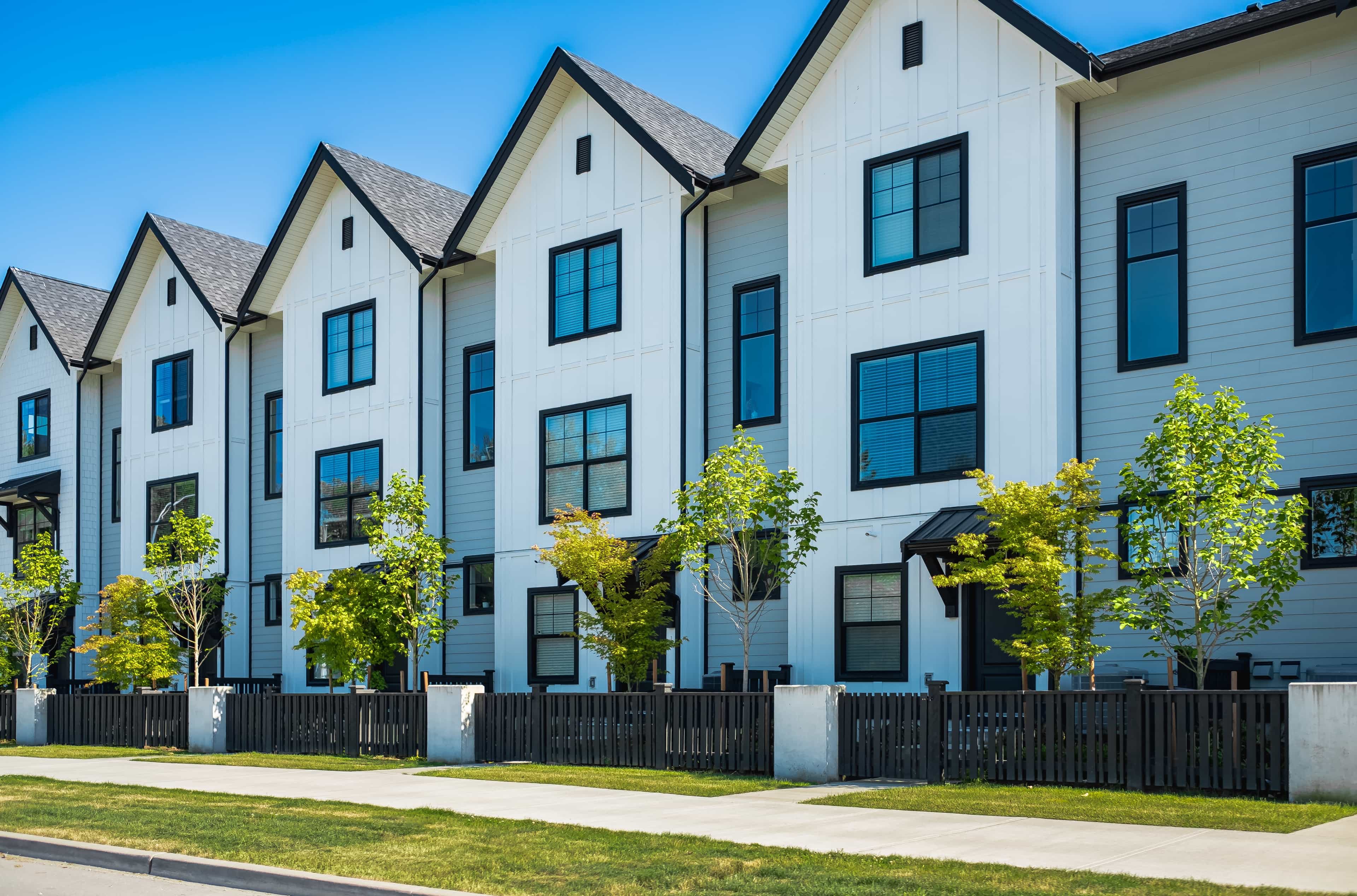
The structural background helps explain why the effect was material. Under longstanding Canada Revenue Agency rules, buyers of qualifying new or substantially renovated homes in Ontario can claim a provincial new housing rebate that returns part of the HST paid. The rebate is meaningful but routine.
What changed in 2026 was the scale. Ontario's 2026 budget proposes, for one year, to enhance the provincial HST New Housing Rebate by temporarily removing the full 8% provincial portion of HST on eligible new homes valued up to $1 million, providing up to $80,000 in savings per home, with the maximum rebate maintained for homes priced between $1 million and $1.5 million. Paired with federal measures, the combined relief on a $1 million-to-$1.5 million new build could reach roughly $130,000.
For a buyer indifferent between a new build and a comparable resale, an after-tax discount of that magnitude is not a marginal tilt — it is a redirect. Earlier in 2026, that redirect appears to have shown up in resale activity as a temporary softening. As the program's window matures and the differential becomes a known quantity in buyer calculations, the dynamic appears to be reverting. The slower price trend in new homes over recent months sits alongside this story rather than against it.
The takeaway is narrow but useful: at least part of the May resale strength in Ontario reflects an unwinding of a specific temporary distortion, not a fresh surge in underlying demand.