Most homes have several retired batteries stored the same way
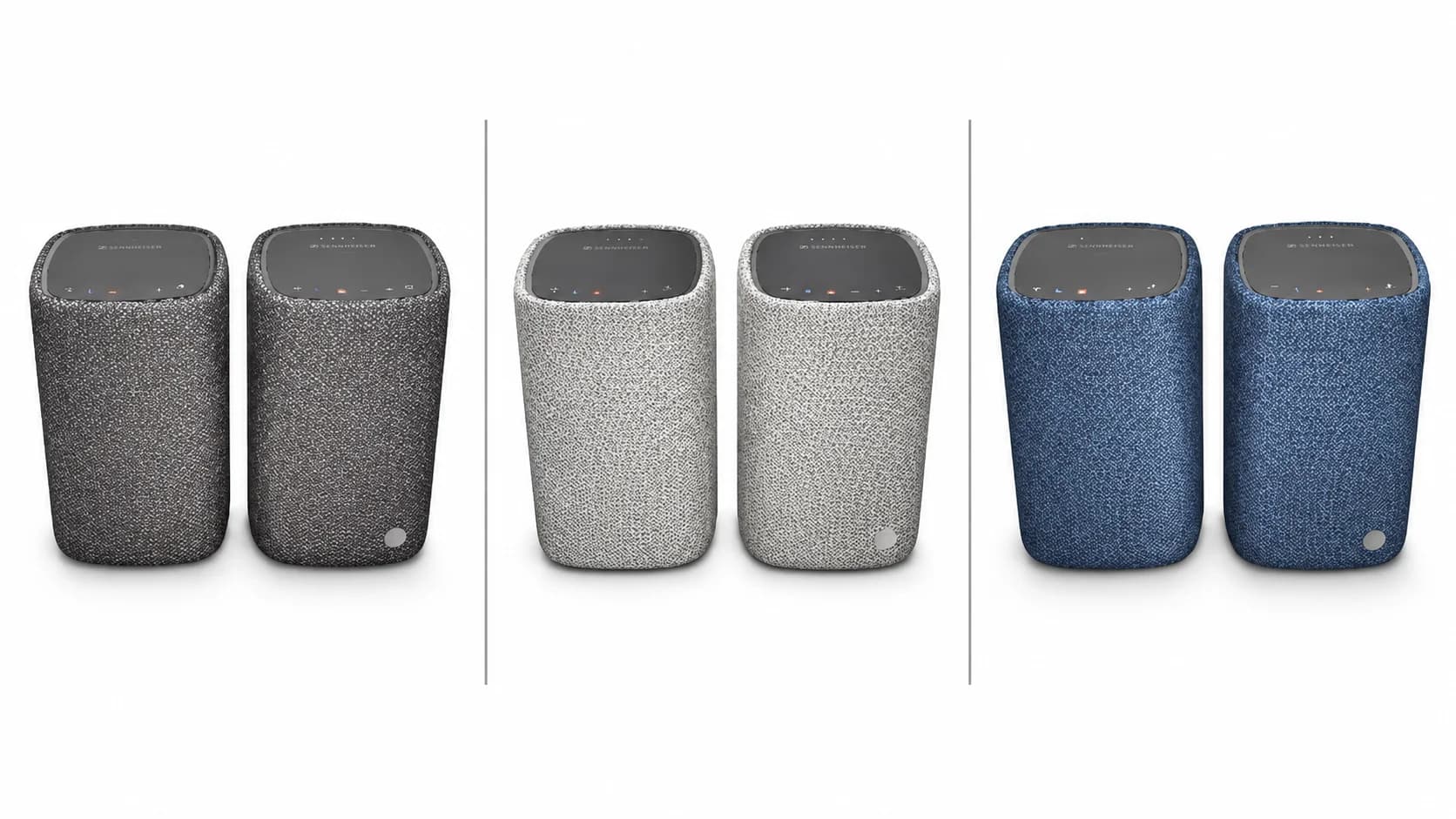
Very few Canadians own a Yoyo (M). Most homes, though, have a drawer or bin of retired rechargeable devices: an old Bluetooth speaker, a cordless drill battery for a tool that's gone, a laptop brick, a vape pen, a spare e-bike or scooter pack. Toronto's safety page lists e-bikes, mobility scooters, e-cigarettes, vacuums, lawn equipment, smoke alarms and toys as common lithium-ion devices. It notes that certified batteries used properly are generally safe, while overcharged, modified or damaged ones can cause a fire or explosion.
Health Canada's recall instructions only apply to the Yoyo (M). The Toronto page doesn't say a battery becomes dangerous just because it's old. Still, the same approach works for any device you've stopped using. Leave it off and unplugged. Keep it away from paper, cardboard, solvents and heat. Once you've decided you're done with it, take it to your municipal program instead of leaving it in storage. Loose batteries waiting for drop-off can go in a clear plastic bag, or have their terminals covered with clear packing, duct or electrical tape, which is what Toronto recommends.
Battery fires are becoming more common. The City of Vancouver reports that battery-caused fires rose an average of 20% a year over the preceding three years. A closet of forgotten devices is a small version of that risk.
For another battery recall of this kind, see our coverage of Wyze solar security cameras recalled over lithium-battery fire risk.