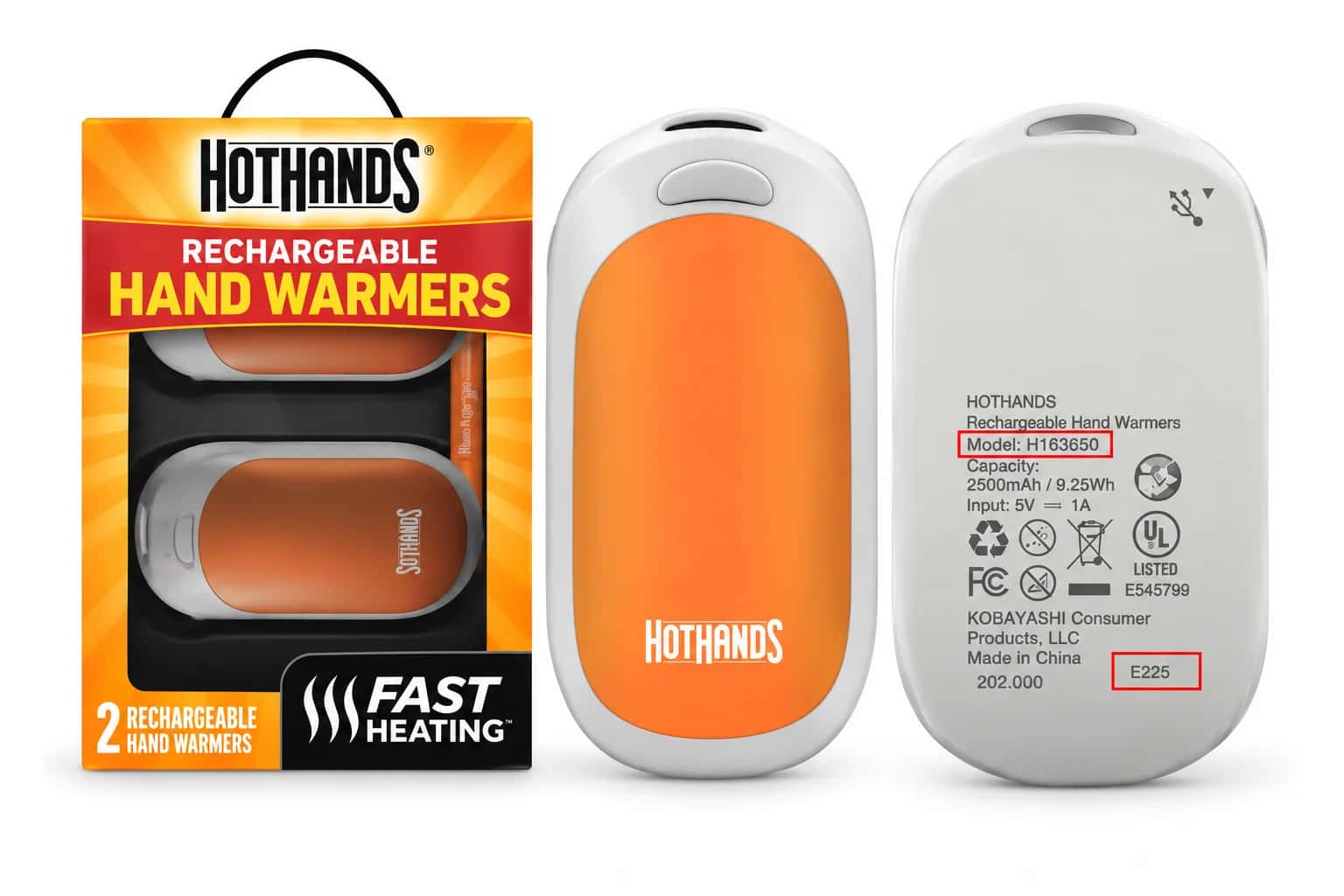
Lithium-ion cells pack a lot of energy into a small space, which is what makes them convenient and what makes a failure serious. Health Canada notes that lithium-ion batteries used in portable power banks can present overheating, fire and explosion risks under the wrong conditions, and its battery-safety guidance recommends charging at room temperature, somewhere you can see the device, away from soft surfaces such as couches or beds that trap heat, and away from exit doors.
That advice reads differently once you picture how power banks actually get charged: face-down on a duvet, wedged into a couch cushion, left plugged in overnight. Those habits are low-risk with a sound battery and a genuine problem with a defective one. The same guidance warns against charging longer than recommended, since overcharging can drive the overheating that leads to a fire.
Until you can return the recalled unit, store it somewhere dry and cool, away from anything flammable, and do not put it in your household garbage — lithium-ion batteries are hazardous waste. If you are unsure how to hold onto it safely, the TJX Canada line can help.
Battery fires are a recurring theme in Canadian recalls. We saw it again when Wyze recalled solar security cameras over a lithium-battery fire and burn hazard.