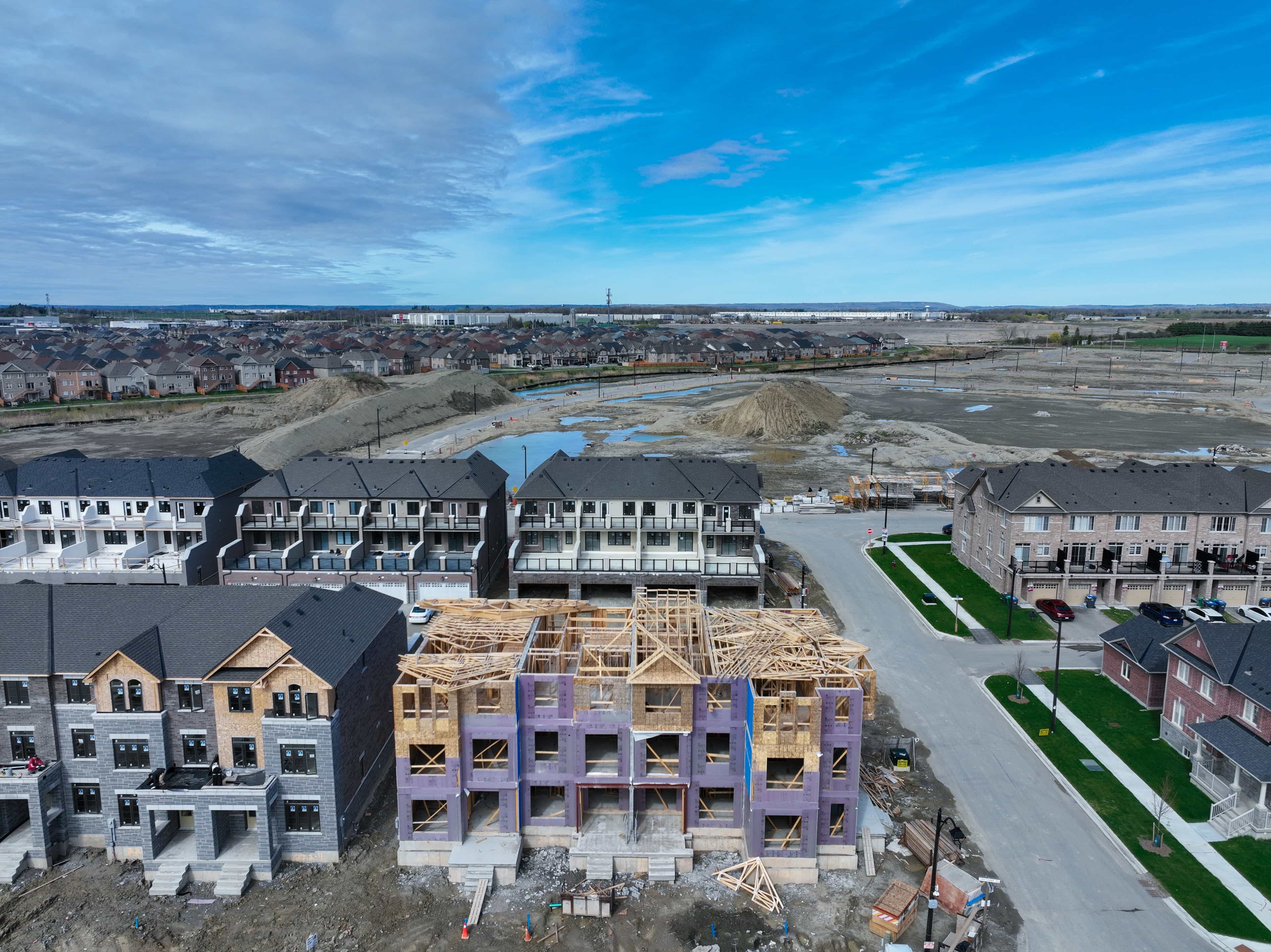
The April release is two stories layered on each other. The first is the 17% bounce, which will dominate coverage and which is real for the month it happened. The second is the new permit indicator, which says the pipeline feeding the next two years of construction got smaller, not bigger, in the same month. The first story is what is being built right now. The second is what will not be built later if the trend holds.
For existing homeowners, the practical read is interpretive, not predictive. Densification pressure and the supply-side dilution of property values are functions of future starts, not current ones. A shrinking permit pipeline implies fewer of those future starts. Whether that translates into measurable price effects, neighbourhood change, or affordability outcomes depends on demand conditions that are not in this dataset. CMHC's own Housing Market Outlook projects continued decline in new home construction through 2028 as builders face higher costs, weaker demand, and rising inventories of unsold homes, particularly in the condominium segment. April's permit data is consistent with that forecast, not against it.
It is also worth holding the bigger frame in view. CMHC's supply gap analysis estimates that returning to 2019-level housing affordability would require between 430,000 and 480,000 new units built annually for a decade — roughly double the current pace. The agency's earlier shortage research puts the cumulative gap at about 3.5 million additional units needed by 2030, on top of what is already projected to be built. Against that benchmark, even a sustained 279,317-unit annual pace would leave the affordability shortfall growing. A pipeline that is thinning makes the gap wider, not narrower.
The April 2026 data is one month. The trend is up. The pipeline is down. The signal that matters is not which way the headline ran in the past 30 days; it is what the permit data implies for the next 24 months. CMHC's new disclosure puts that question directly on the table. The answer it suggests is not the answer the headline number gave.