Most frozen-lock problems can be prevented, and the best fixes don't involve any liquid at all.
Prevent before the freeze. For padlocks and shed locks, Master Lock's care guidance recommends lubricating every three to six months and notes that regular lubrication helps minimize freezing in cold weather. Apply a light amount of dry, graphite or PTFE lock lubricant to the keyway and the shackle, then work the key several times to spread it. Do it on a dry day, before the moisture gets in.
Thaw with warmth, not force. A Manitoba dealer's winter lock guide gives the standard advice. Warm a plain metal key in your hand or pocket, slide it in, let the heat transfer, and repeat. Never force a stuck key, because a cold key under pressure can snap off in the cylinder. Never pour hot water on a lock or window either. It can crack the glass and refreezes worse than before. If your key has a chip or remote built in, don't apply heat to it.
Skip the flame and the alcohol hacks. Two common suggestions online are holding a lighter to the key and squirting hand sanitizer or rubbing alcohol into the lock. Both work against the point of this recall: one adds an open flame and the other adds more flammable alcohol. Toronto's own program lists rubbing alcohol among the flammable products that belong in household hazardous waste.
Try another way in. On a vehicle with remote entry, the frozen part is usually the door seal, not the lock cylinder. Try another door, start the vehicle, and let the cabin heat work from the inside.
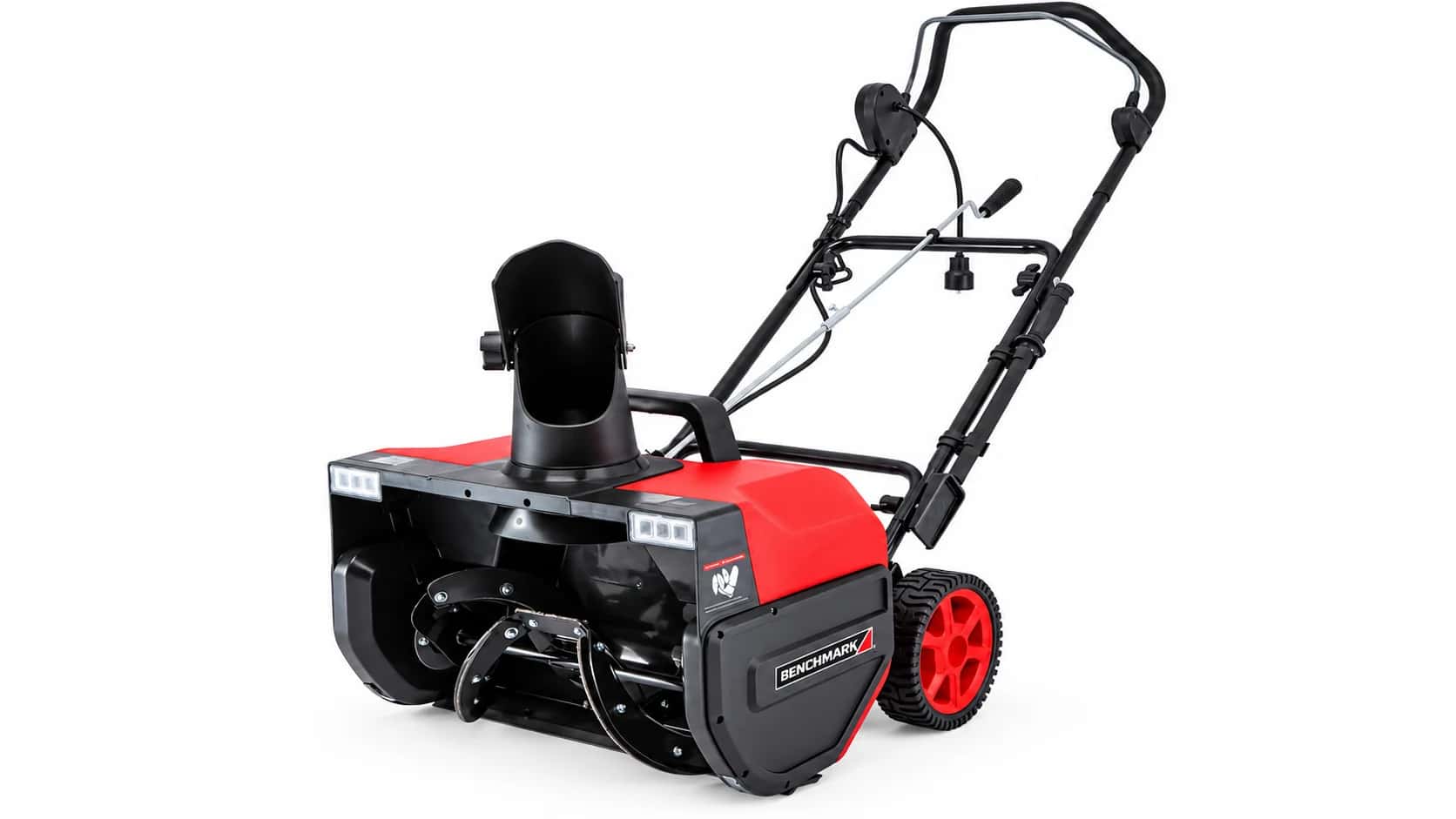
If cold-weather equipment is your concern this season, the Benchmark electric snow thrower recall is the other recent case of a product failing in exactly the conditions it was sold for.