The Claim Versus The Reality
The claim: If you make your home airtight with spray foam, it will become stale, mouldy, or “unable to breathe.”
What’s actually true: Homes need fresh air, not random air leakage. The goal is controlled ventilation (intentional outdoor air) instead of uncontrolled leakage (drafts through gaps).
One reason this myth sticks is that air sealing can reveal a ventilation gap you didn’t know you had. If your home used to “ventilate” through cracks, tightening it up can make humidity and odours feel more noticeable until ventilation catches up. A plain-language example comes from Global News’ explainer on home insulation where the point is made that airtight homes may need extra venting or an air exchanger to avoid condensation and moisture issues.
Why it depends: If you already have a well-functioning bathroom fan, kitchen exhaust, and a ventilation strategy, increasing airtightness usually feels like an upgrade. If you don’t, the home may feel stuffier—because you’ve removed your “accidental ventilation” without adding “intentional ventilation.”
What to expect: Comfort typically improves first as drafts drop and surfaces warm up. Indoor air quality can improve too, but only if you keep bringing in outdoor air in a controlled way (sometimes via an HRV/ERV, sometimes via improved exhaust and make-up air, depending on the home).
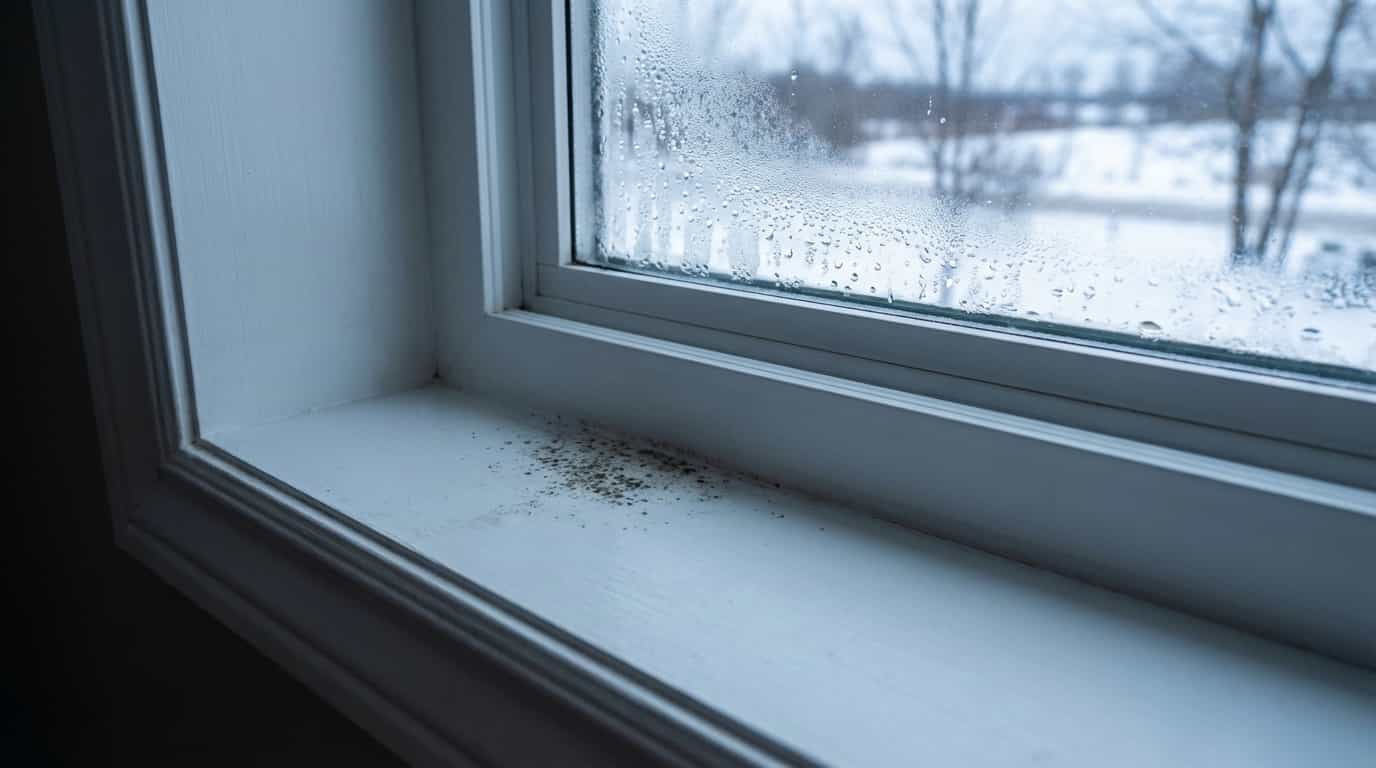
When to investigate further: If, after air sealing, you notice persistent condensation on windows, musty odours, or new mould growth, treat it as a ventilation-and-humidity problem to solve—not as proof that your home is “too tight.”