Projection, Drainage, Covers, and Ladders
Of all the parts of an egress window installation, the window well is the one most likely to be undervalued in cost estimates and under-specified in design drawings. It is also where most installations fail in practice, usually because of water rather than dimensions.
A window well is the excavated space outside a below-grade window, lined with a metal or composite shell and backfilled with drainage material. For it to work as an escape route, it has to be large enough to climb out of, structured so water cannot accumulate, and covered in a way that does not block escape. Permasol's egress guidance and other Canadian references describe wells projecting at least 760 to 915 millimetres (30 to 36 inches) from the foundation as a common standard — enough that the window can swing fully open and a person can stand inside and climb out.
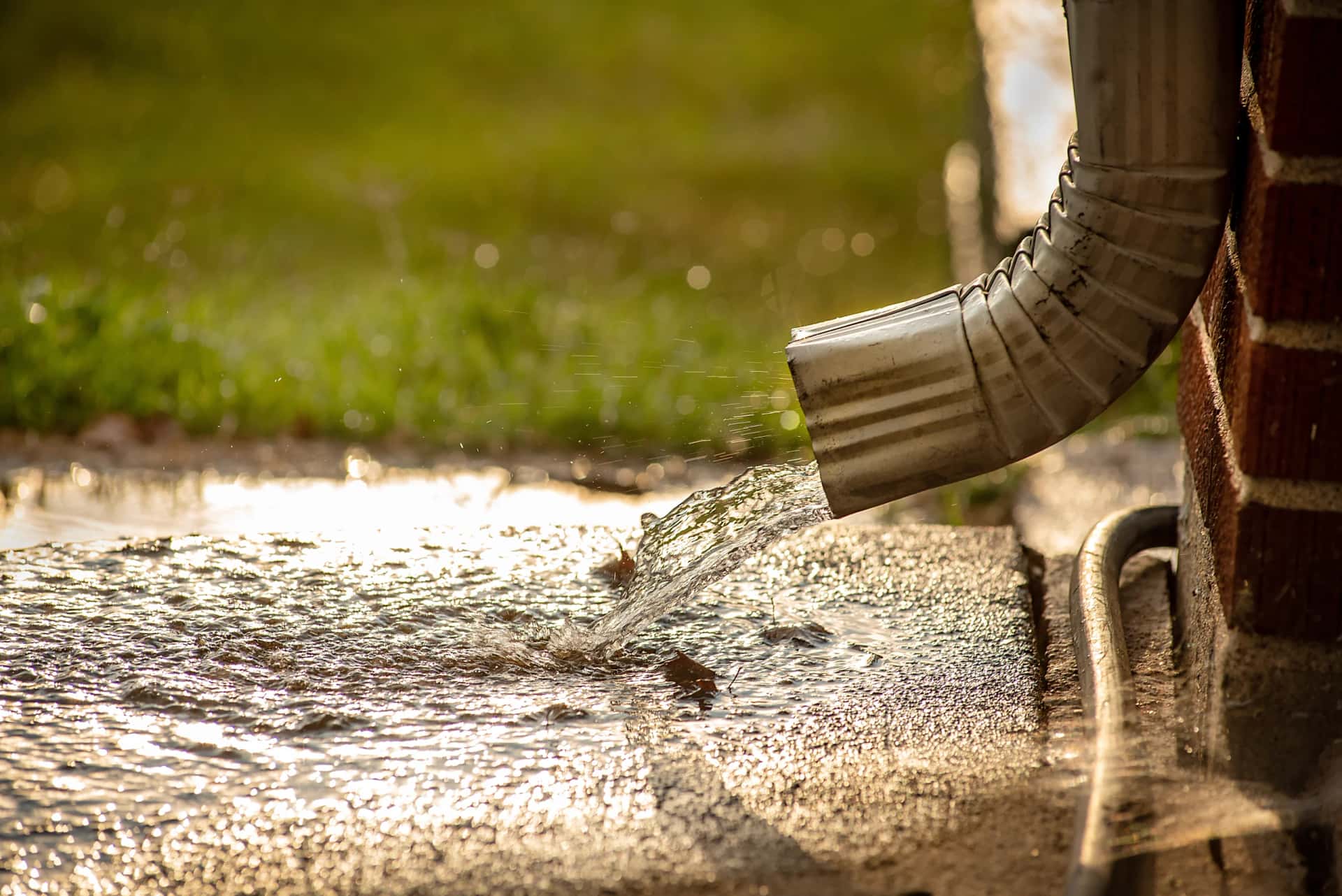
Drainage is the quieter, more important requirement. A well with no drainage fills up during heavy rain or spring melt, and the water pushes against the glass from outside. In the worst cases, the glass breaks and water enters the basement. More commonly, the well stays damp year-round, the bottom rots out, the seals fail, and the homeowner replaces everything a few years earlier than expected. A properly installed well has a gravel base, connects to the footing drain or weeping tile, and slopes water away from the foundation. This is worth getting right, and worth connecting to the broader topic of basement moisture management if your home has any history of water problems.
Covers and grates are useful — they keep leaves, snow, debris, and toys out of the well — but they must meet one critical rule: they have to be openable from inside, by a person trying to escape, without tools. Some meet this with a flip-up design; others have safety catches that release from below. If your contractor proposes a cover, ask to see how it opens from inside.
One more detail if your well ends up deep: Canadian municipal guidance generally requires a permanent ladder or climbing step when well depth exceeds 1.1 metres (about 44 inches). This is not optional, and it is not usually a contractor's first instinct to include. Make sure the ladder is in the quote.