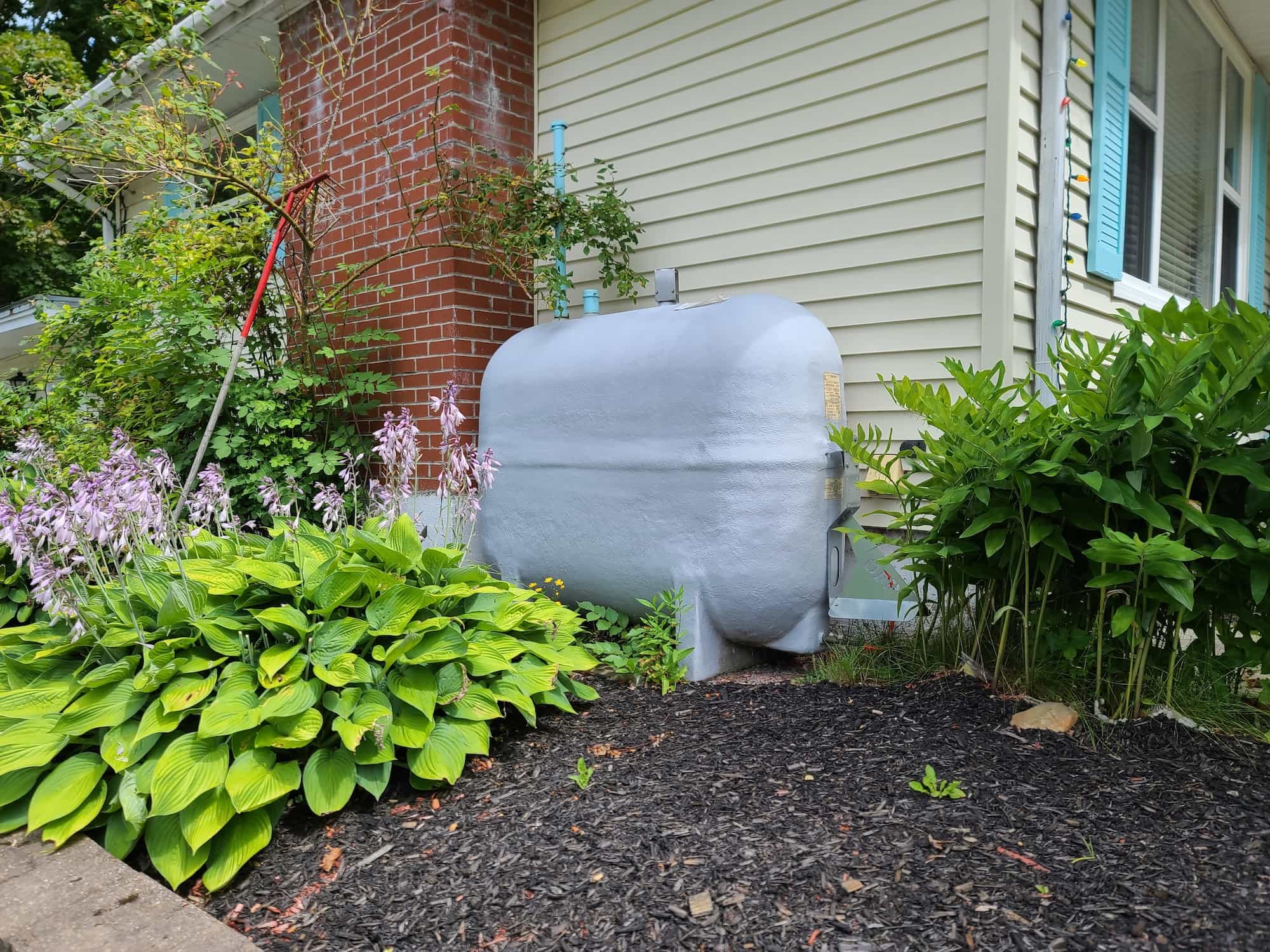
Oil costs moved, but so did the program landscape
Higher oil prices make the oil side of any heat pump comparison more expensive. If your delivered price is up roughly 44% from a year ago, the heating bill a heat pump would replace is also up by about that much for the same number of litres. That strengthens the operating-cost case. But it is only one input.
The bigger change for many readers is funding. The federal Oil to Heat Pump Affordability program offered up to $10,000 to households at or below median after-tax income, but July 31, 2026, was its last application day for residents of Alberta, Manitoba, the Northwest Territories, Quebec and Saskatchewan. Residents of British Columbia, New Brunswick, Newfoundland and Labrador, Nova Scotia, Ontario, Prince Edward Island and Yukon apply through provincial or territorial partners, where details vary. Check your provincial program's current status before building a grant into your numbers. Natural Resources Canada (NRCan) also warns that it has not authorized any third party to make unsolicited contact about the program.
What the savings evidence says, and what it doesn't
The best-known Canadian savings range predates this price spike. Efficiency Canada's heat pump myth buster cites a 2022 NRCan report that found households switching from an oil furnace to a cold-climate air-source heat pump could expect to save $1,000 to $3,500 a year in utility costs. Those figures reflect 2022 prices for oil and electricity, so treat them as context, not a current estimate.
NRCan's own guidance explains why no single number applies. Air-source heat pump efficiency falls as it gets colder: the coefficient of performance typically ranges from 2.0 to 5.4 at 8°C but from 1.1 to 3.7 at –8°C. Savings depend on your climate, your current system's efficiency, the heat pump's size and type, and the relative cost of electricity and oil where you live. As NRCan puts it, you will use less oil but more electricity. An undersized unit will also lean more heavily on backup heat.
Before you rerun the payback, gather four local inputs: your last full season of oil invoices, your current electricity rate, a written installation quote, and your province's current rebate or financing status. Higher oil prices shorten the payback on paper. Installation costs, electricity rates and your home's airtightness decide whether that holds for you.
If a switch is on the table, oil tank removal is part of the cost. Our guide to oil tank removal in Atlantic Canada covers deadlines, costs and conversion options.