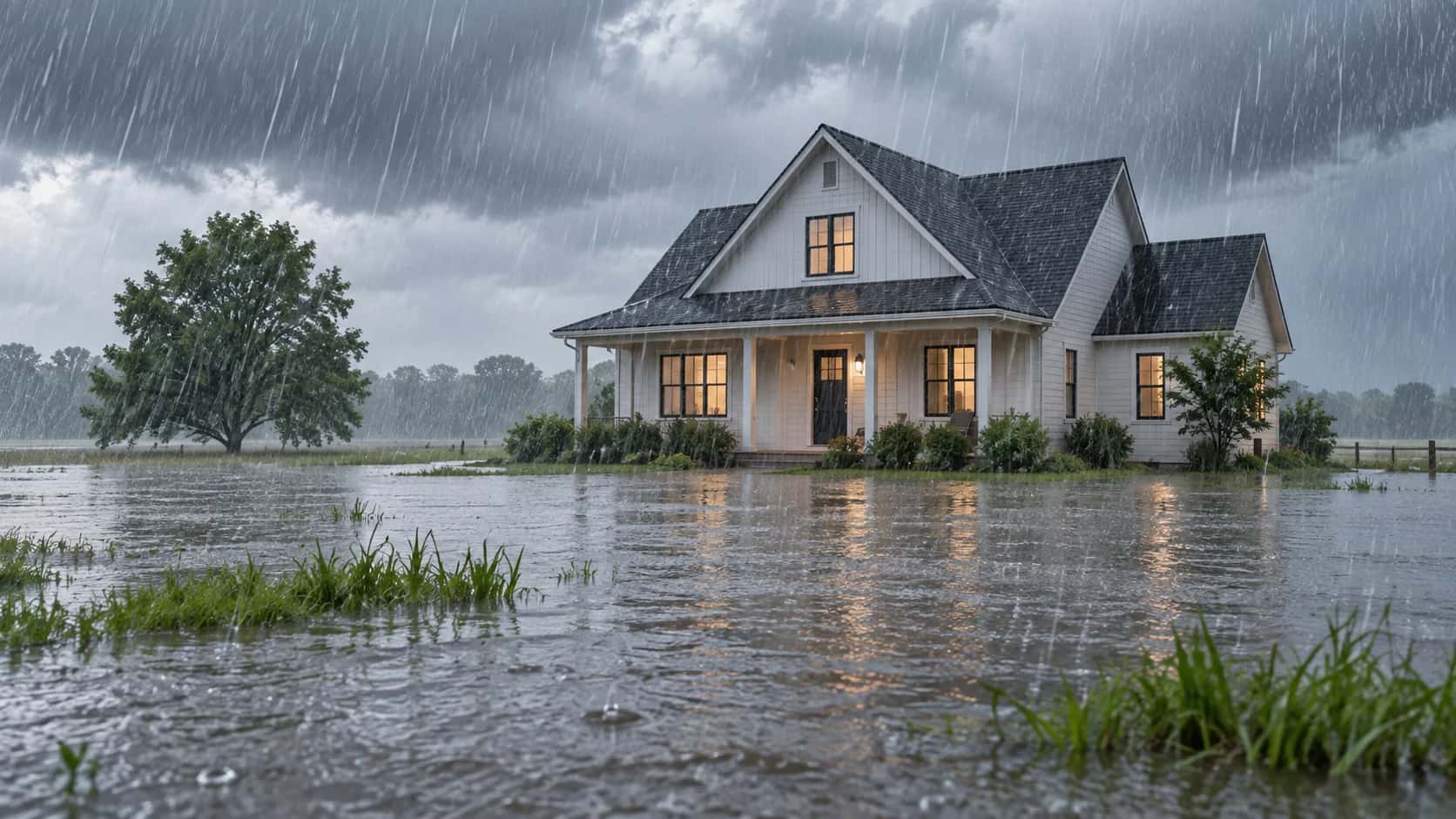
The bureau frames flooding as Canada's most frequent and costly natural disaster, and the trend line supports the framing: over the last 20 years, flood and water-related insured losses have increased more than 300 per cent compared with the previous two decades, according to Catastrophe Indices and Quantification Inc. data cited in the release. That is not a Nova Scotia number. It is a national one, accumulated storm by storm in provinces that each thought of themselves as the exception.
Geography spreads the exposure further than most homeowners assume. Flooding can result from heavy rain, rapid snowmelt, ice jams, coastal storm surges or strong onshore winds, and flood maps help property owners understand where flooding may occur and make informed decisions, Natural Resources Canada notes, putting the annual insured catastrophic loss from flooding at more than $2 billion. Storm surge is one mechanism among several. An inland homeowner who reads the coastal exclusion and stops reading has skipped the three perils most likely to reach their own basement.
What Warden Landry described — water in places that had never flooded before — is the practical argument for treating your own flood history as weak evidence. Past dryness is not a coverage strategy, and the direction of travel for Canadian home insurance is toward risk priced and underwritten at the address level, where what you bought in advance decides what you recover afterward.
The Cape Breton claims now opening will be settled one pathway at a time: wind here, roof leak there, sewer backup only where someone bought it, coastal surge generally nowhere. The lesson for the rest of the country costs nothing to act on and takes about fifteen minutes with a declaration page.